

You’re packing for a trip or setting up a home workout space, and the last thing you want is a heavy yoga mat taking up precious luggage space or cluttering your closet. A lightweight mat under 2 lbs solves that problem, giving you portability without forcing you to compromise on grip, cushioning, or durability. Whether you practice daily at home or carry your mat to studios and retreats, the right lightweight option can transform how you approach your routine.
This guide reviews twelve lightweight yoga mats that balance portability with performance. We’ve assessed materials, thickness, non-slip surfaces, and real-world feedback to help you find the mat that fits your lifestyle and practice style.
This guide is for general information only and is not medical advice. Consult a qualified professional before using any fitness equipment, especially if you have a health condition or injury.
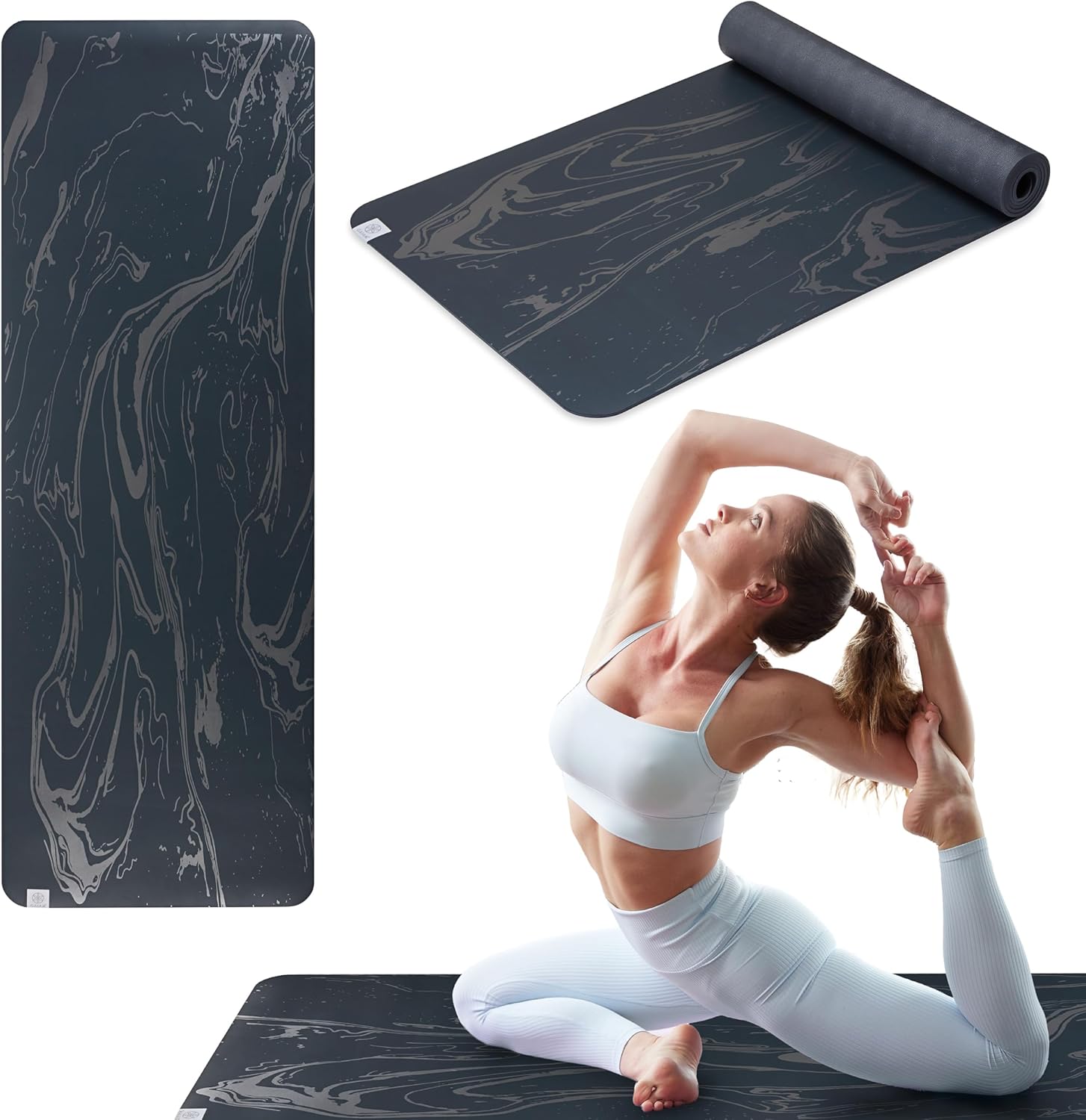


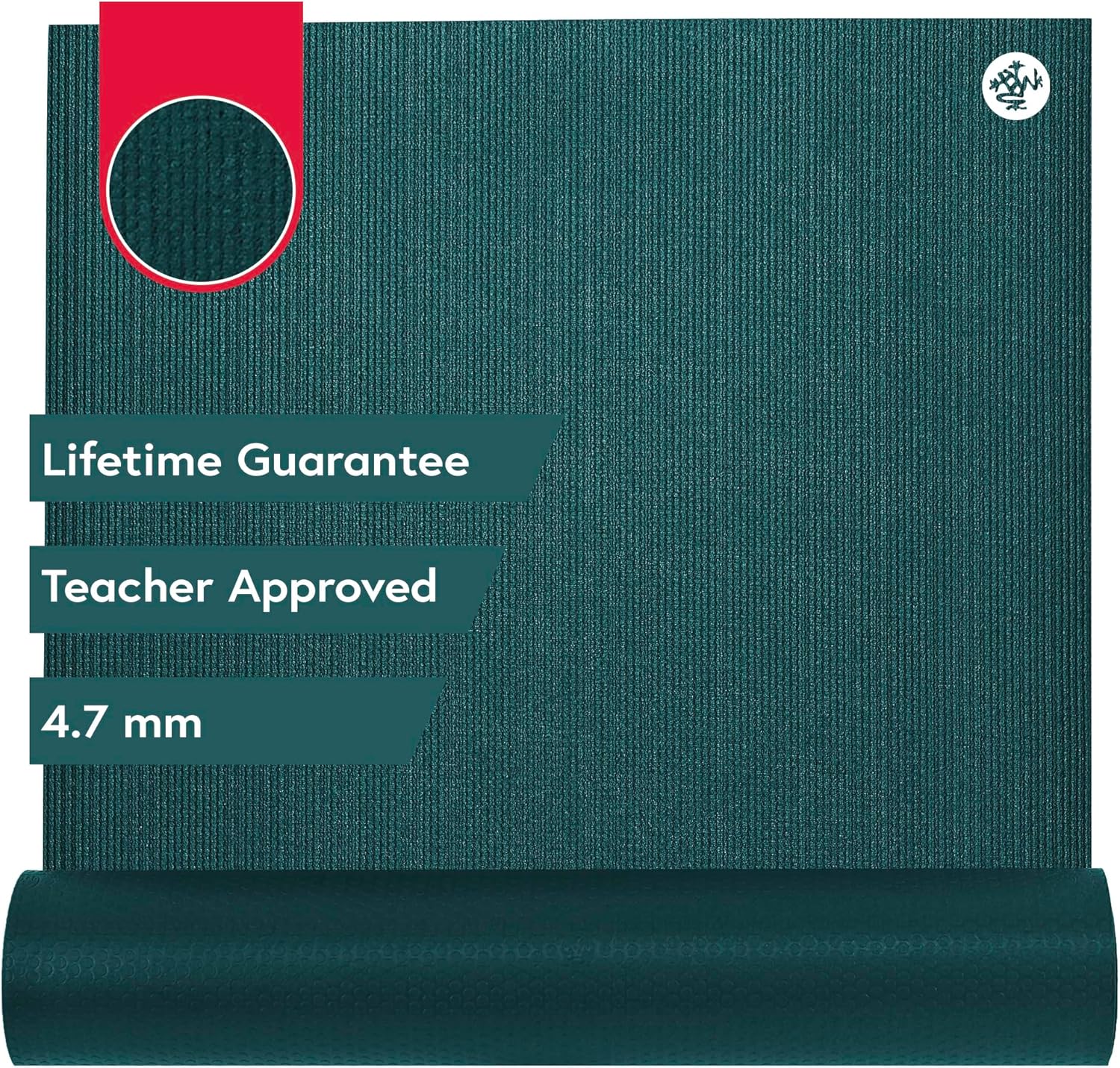

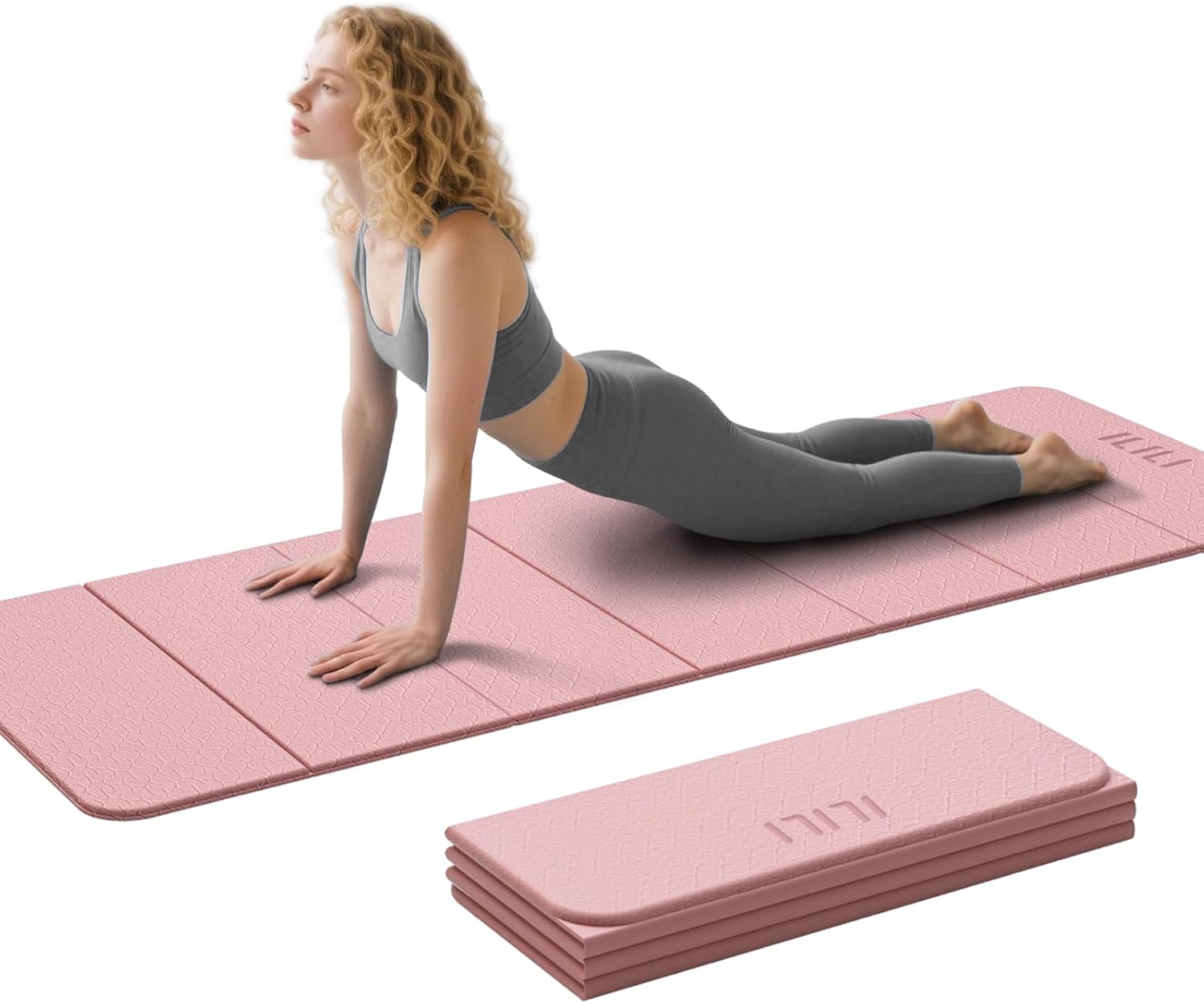


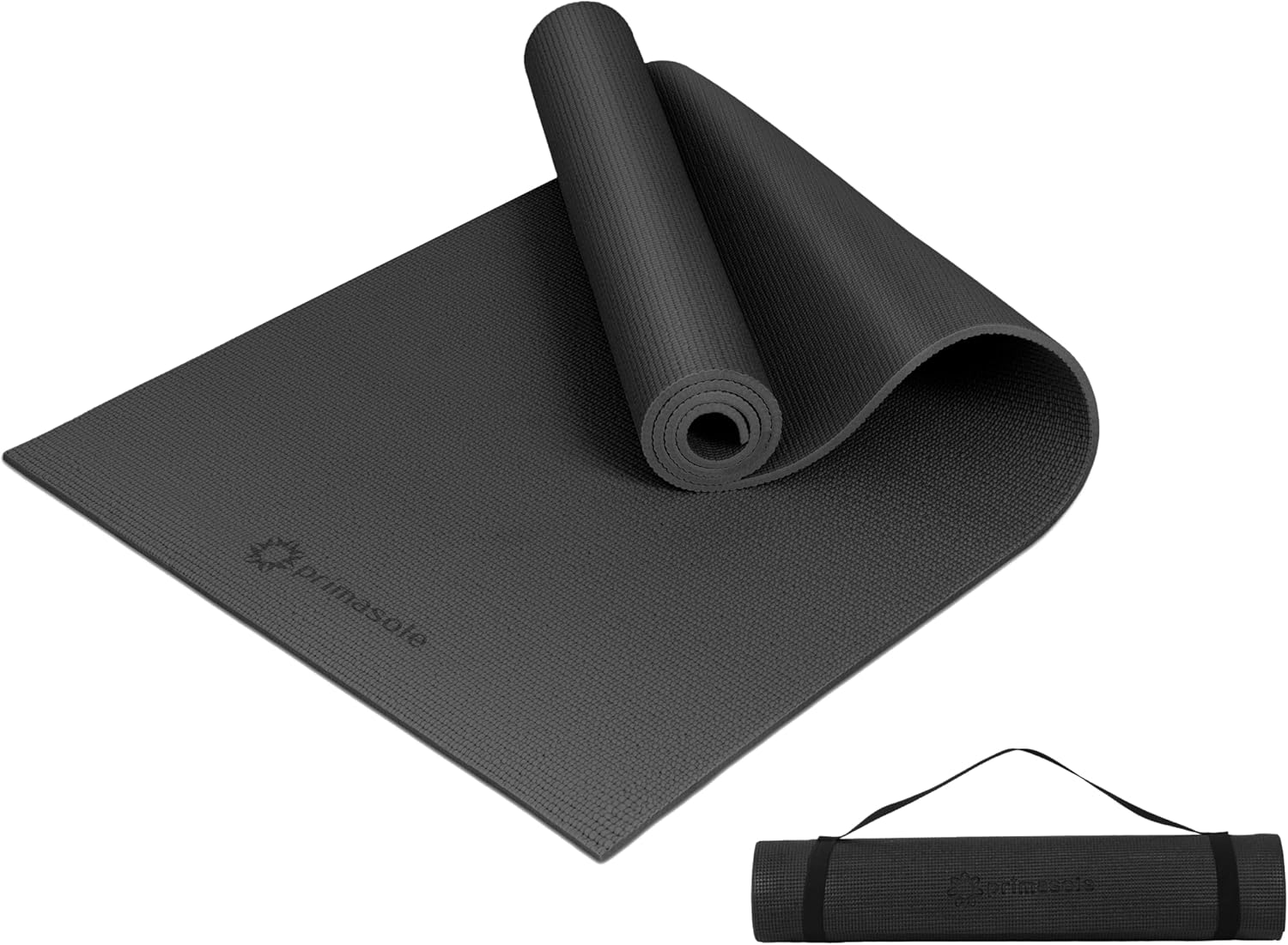


How We Picked
We evaluated these mats using published specifications, manufacturer documentation, and aggregated customer feedback to identify models that deliver portability without sacrificing core performance. Our assessment focused on weight, packability, material durability, grip quality, and thickness options that serve different practice styles. This is a research-based editorial evaluation; no product was physically handled by our team.
The mats ranked here represent a range of price points, materials, and design approaches, from ultra-thin travel versions to thicker foldable designs. Each offers distinct advantages depending on whether you prioritize maximum portability, cushioning, eco-friendly materials, or ease of storage at home.
Buying Guide
Weight and Packability
Weight matters most if you’re traveling frequently or carrying your mat long distances. Mats under 2 lbs fold or roll compactly into a backpack or suitcase, while heavier mats require dedicated carrying straps or bags. Foldable designs pack flat like a file folder, whereas rolled mats take up less linear space but more volume. Consider your typical transport method: carry-on luggage, backpack, or car.
Thickness and Cushioning
Thickness ranges from 1.5 mm ultra-thin travel mats to 12 mm premium cushioned versions. Thinner mats (1.5 to 4 mm) weigh less and pack smaller, ideal for travelers and those who practice on padded floors. Thicker mats (6 to 12 mm) provide more joint protection and stability, making them better for home practice or if you have sensitive knees and wrists. Your choice depends on where you practice and your comfort preferences.
Material and Grip
TPE (thermoplastic elastomer) mats offer excellent grip, durability, and water resistance at a lighter weight than traditional rubber. Natural rubber and cork provide eco-friendly alternatives with strong grip but may be heavier. Surface texture matters: textured finishes prevent slipping during sweaty practice, while smooth surfaces feel gentler on skin. Check customer feedback about grip performance, especially if you practice vigorous or heated styles.
Carrying Solutions
Built-in straps, carrying bags, or buckles make a difference in real-world portability. Some mats include adjustable shoulder straps; others come with zippered travel bags or simple elastic straps. If you’ll carry your mat frequently, a mat with an integrated carry solution eliminates the need to buy a separate bag and keeps everything together.
Who Should Skip These
If you practice primarily on carpeted floors or soft surfaces and need maximum cushioning for joint protection, a lightweight mat may not provide enough thickness. Similarly, if you never travel and prefer a permanent home setup, investing in a heavier, more durable premium mat might offer better long-term value. Lightweight mats also tend to be narrower (often 24 in wide) than standard mats, so if you’re taller or need extra width for your practice, a full-size mat remains the better choice.
Final Thoughts
Lightweight yoga mats have evolved from bare-bones travel options into genuinely capable practice surfaces. Whether you need something ultra-portable or a foldable mat that lives at home, the range of materials, thicknesses, and designs means you can find a mat that matches your lifestyle. For frequent travelers seeking maximum portability, the Manduka eKO SuperLite Yoga Mat combines ultra-light weight with natural rubber durability. If you want a practical foldable mat for home storage and occasional travel, the Foldable Yoga Exercise Mat offers multiple thickness choices and strong customer satisfaction at an accessible price point.
Frequently Asked Questions
What thickness is best for a lightweight travel yoga mat? For travel, 3 to 5 mm offers a balance between portability and basic cushioning. Ultra-thin 1.5 mm mats pack smallest but provide minimal joint protection. If you practice on hard floors regularly, aim for at least 4 to 6 mm even in a lightweight mat.
Can a lightweight yoga mat work for daily home practice? Yes, many lightweight mats are designed for regular home use. Foldable designs store easily in closets or under beds, and thicker lightweight options (8 to 12 mm) provide adequate cushioning for daily practice without the bulk of traditional mats.
Do lightweight mats slip during practice? Most lightweight mats use TPE or textured surfaces that grip well, but performance depends on the specific material and your practice intensity. Check customer reviews for feedback on grip, particularly if you practice vigorous styles or in warm environments.
Are lightweight yoga mats durable? Quality lightweight mats from established brands hold up well with regular use. TPE and natural rubber both resist wear and tearing. Lifespan depends on how often you practice and how you care for the mat. Most lightweight mats last several years with proper storage and occasional cleaning.




Write Your Review
No reviews yet. Be the first to share your experience!