

The kit is the cheap part. That is the thing nobody tells you when you buy your first diamond painting, and it is why this guide is about everything except the canvas.
A kit arrives with a canvas, a handful of bags of drills, a plastic pen, a scrap of wax and a tray roughly the size of a matchbox. It is enough to start. It is not enough to finish a large one without the drills ending up in the carpet, the symbols on the canvas becoming unreadable after an hour, and the half done painting living on the dining table because there is nowhere to put it down.
Look at what this brand actually sells and the point becomes obvious. Of the eighty two listings in the ArtDot catalog, only around twenty are paintings. The rest are storage, light, magnification, trays, pens, sealers, release paper and wax. A catalog is a map of where a hobby’s real friction is, and this one says the friction is not choosing a picture.
So this guide sorts the range by the four things that actually decide whether you finish a painting, in the order worth buying them.
Quick Picks
| If your problem is… | Pick | Why this one |
|---|---|---|
| You cannot read the symbols | A4 or A3 Light Pad | Backlights the canvas, and most people need the smaller size |
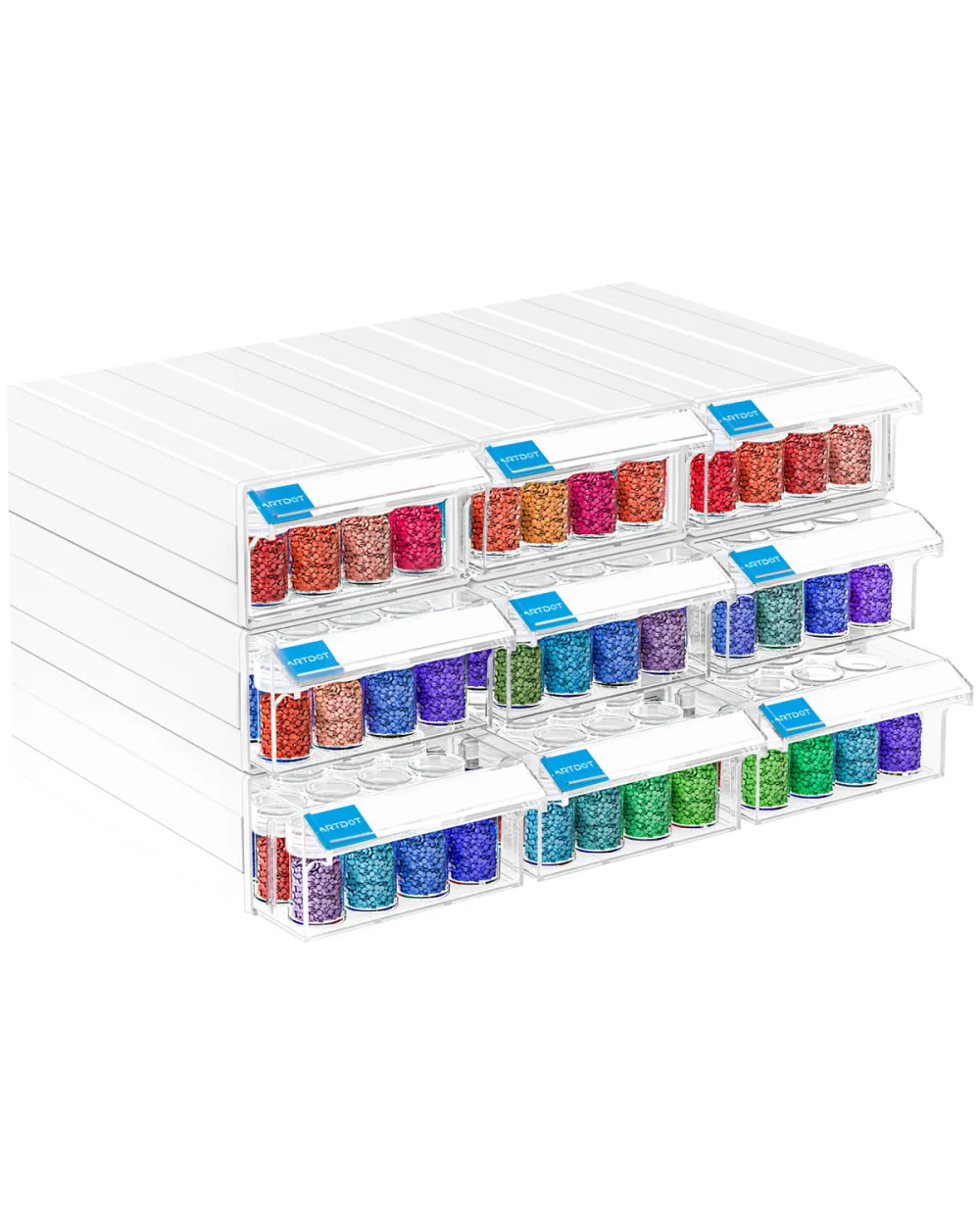
| Drills everywhere, you work in one room | 9 Drawers Stackable Storage | Round screw top bottles, many colours in little space |
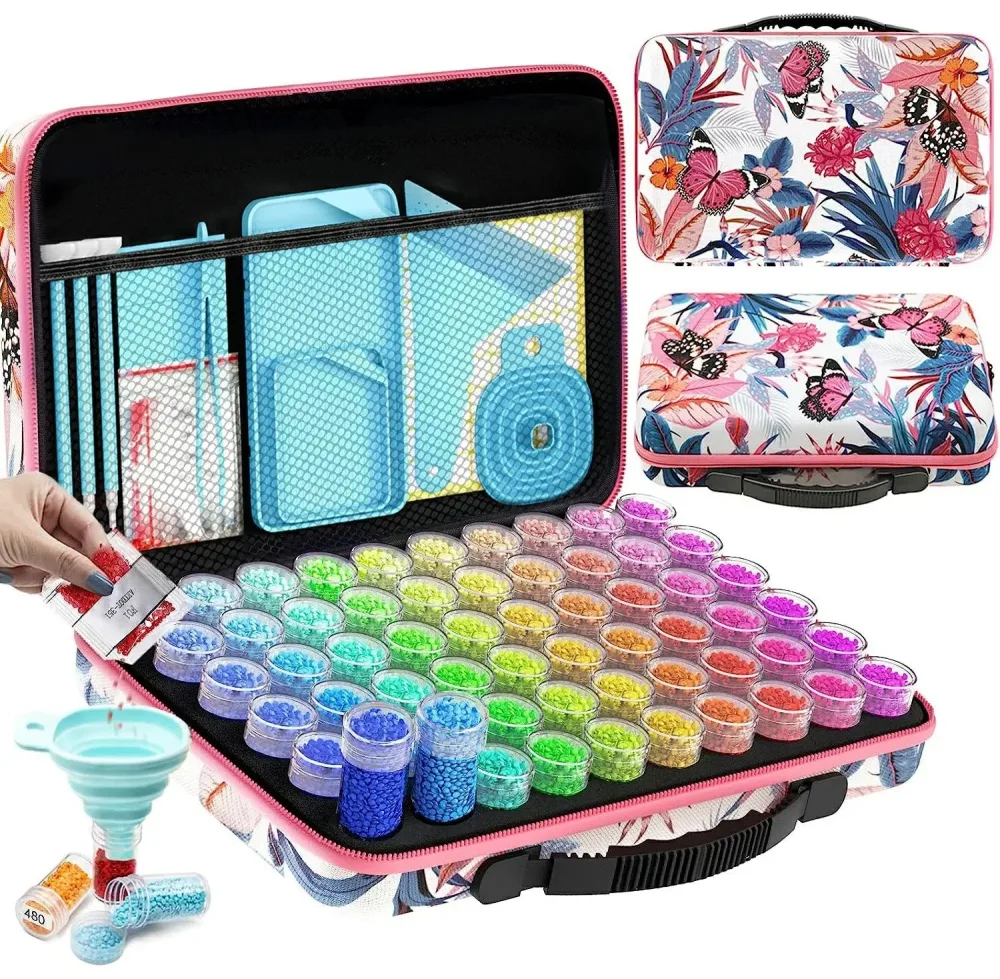
| Drills everywhere, you move around | 60 Container Storage Case | Zipped case, foam base, jars cannot roll |
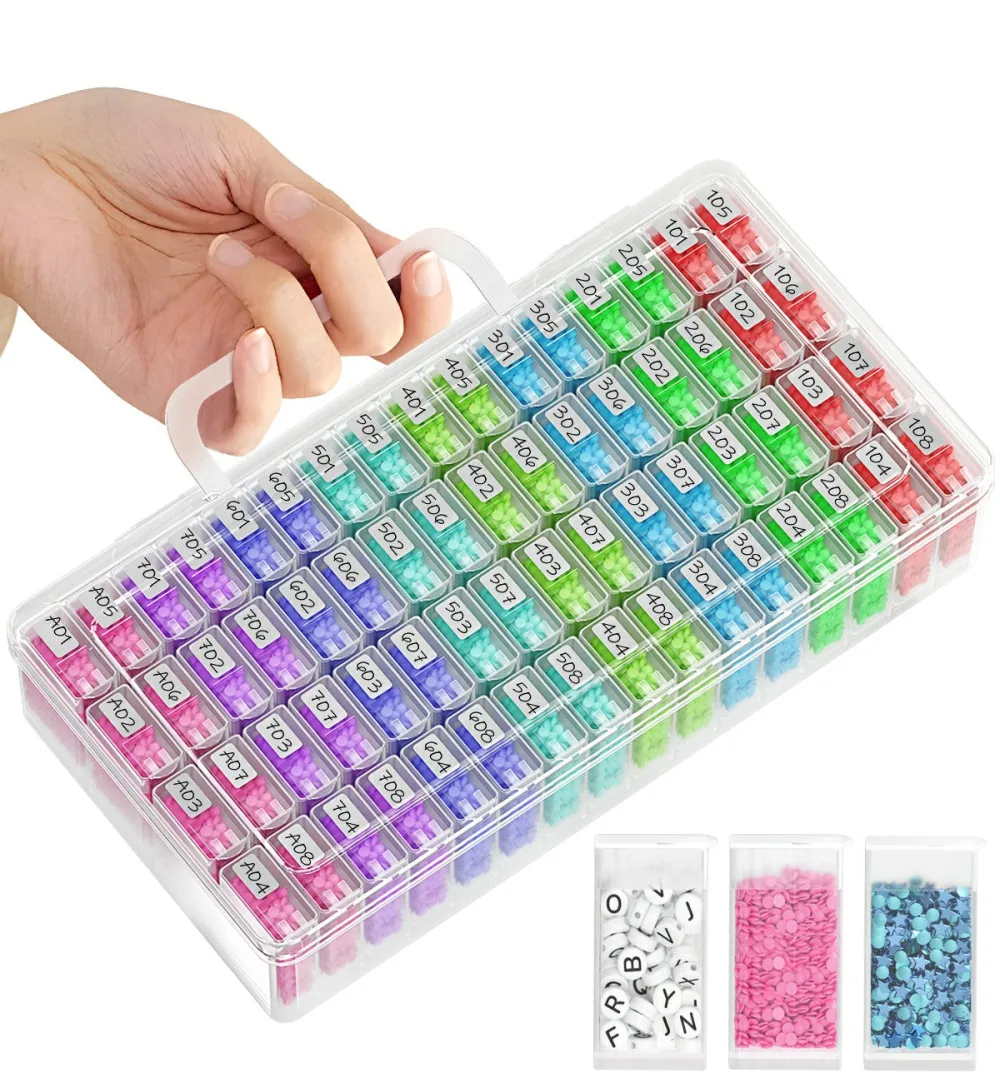
| You want speed over spill proofing | 64 Grids Storage Containers | Flip top, faster to open, with a real trade off |
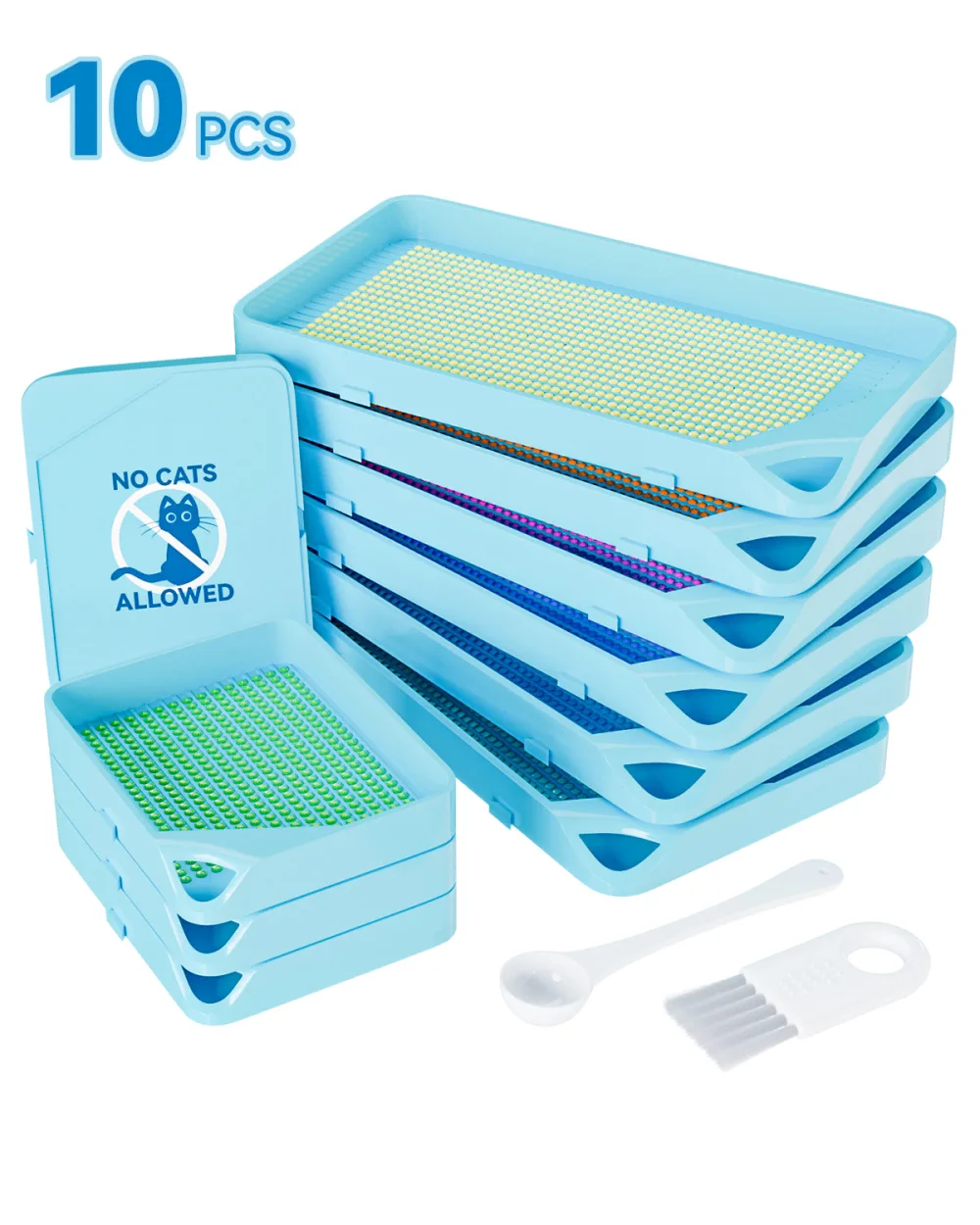
| One tiny tray that keeps tipping | Diamond Painting Trays Kit | Ten trays with lids, so colours stay sorted between sessions |
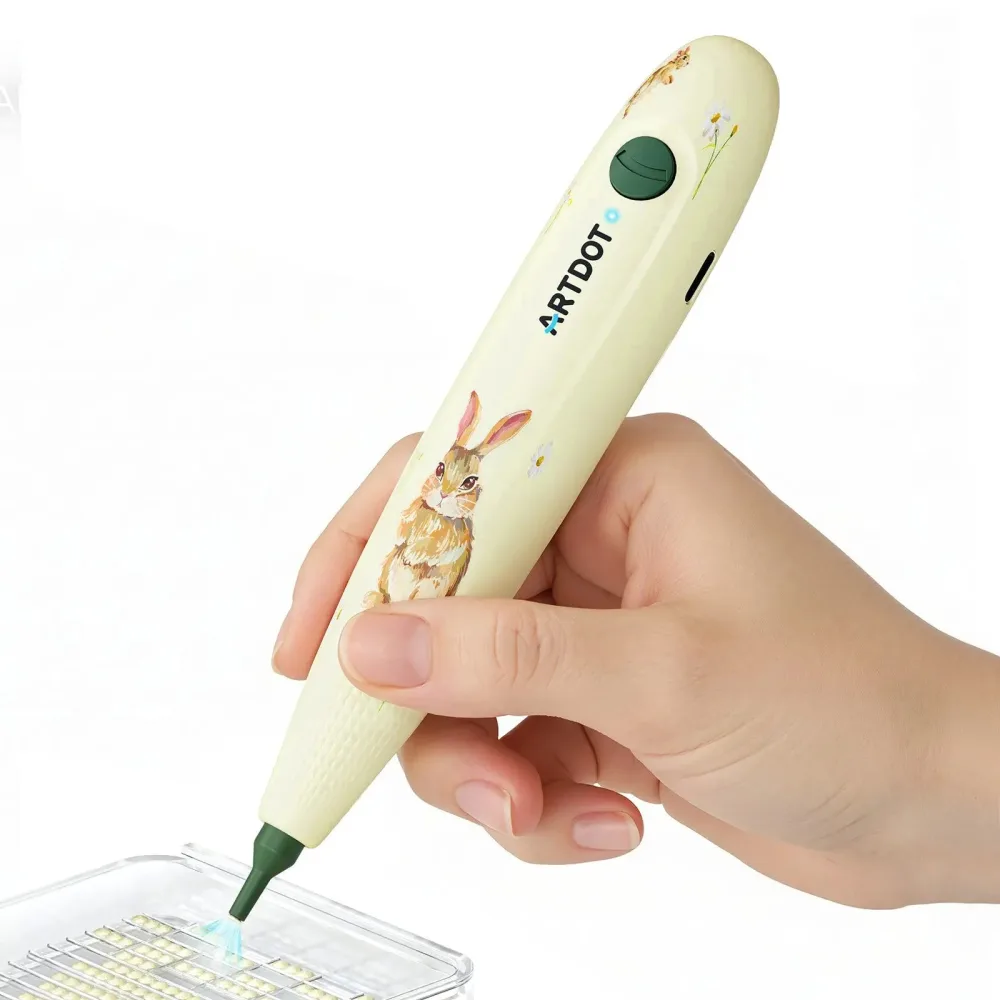
| Your hand cramps on long sessions | Wireless Electric Vacuum Pen | Picks drills up without the press and twist motion |
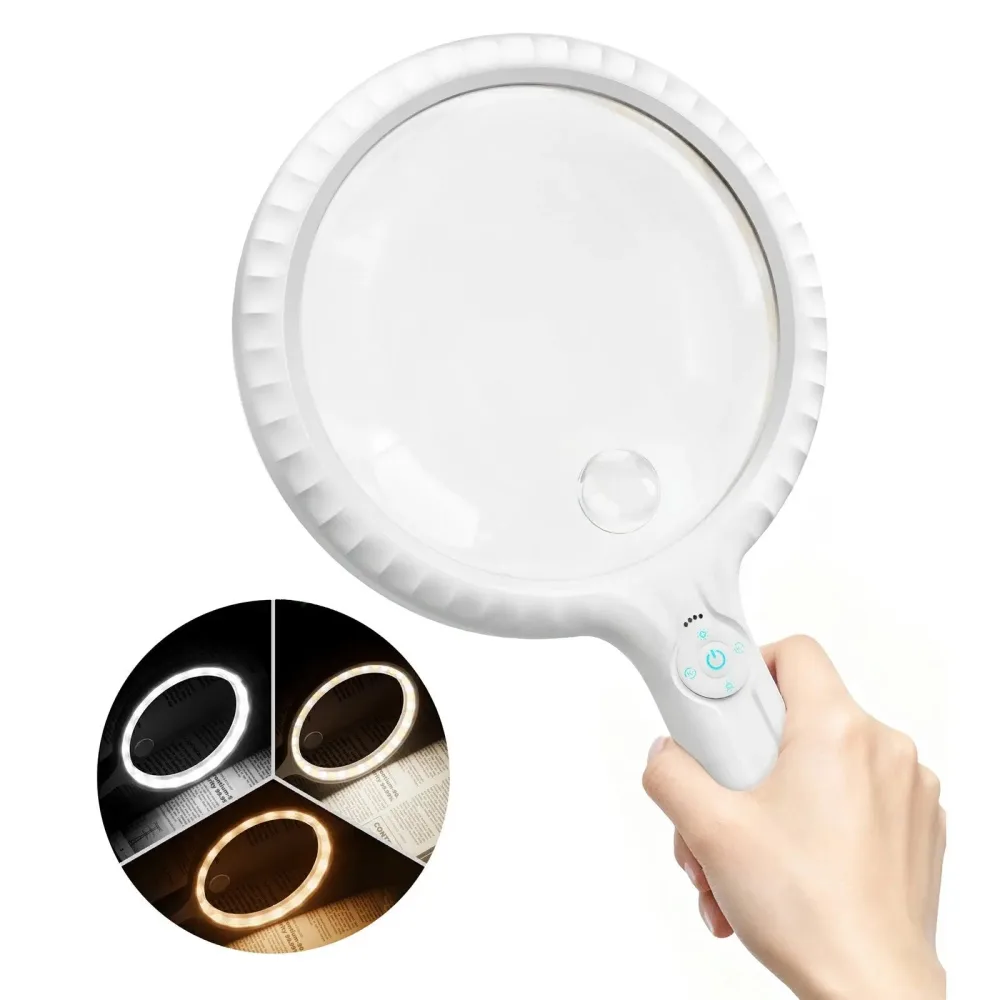
| Your eyes tire before your hand does | Rechargeable Magnifying Glass | Magnification plus adjustable light colour |
| Finished canvases with nowhere to go | Diamond Painting Storage Book | Flat sleeves instead of a roll that will not lie flat |
Catalog surveyed in October 2026 from the brand’s own storefront: 82 listings across kits, storage, tools and consumables. Specifications below are the brand’s published figures unless another source is named, and promotional pricing on this catalog changes constantly, so check the product page.
The four frictions, and the order to fix them
1. You cannot see what you are doing
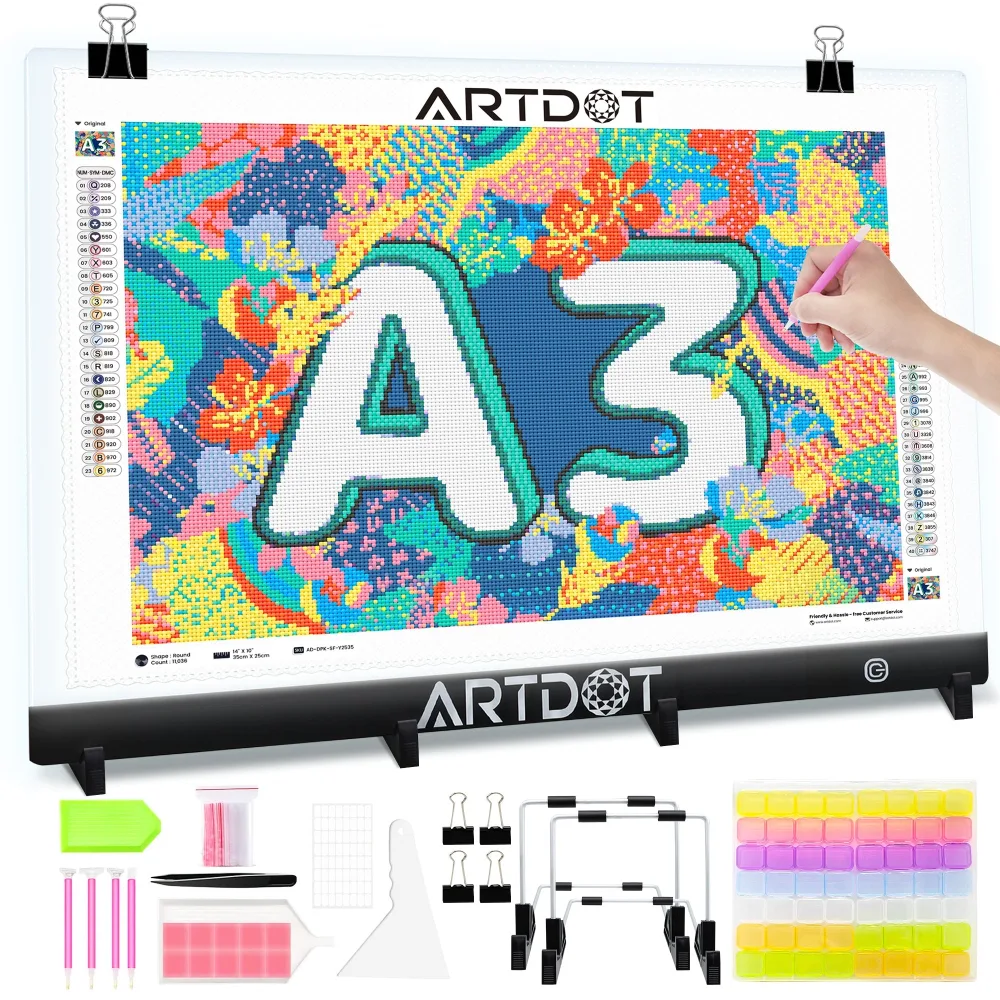
This is the first problem and the cheapest to solve. Printed symbols on a dark or busy canvas become genuinely hard to read under household lighting, and the hobby stops being relaxing the moment you are squinting. A light pad sits under the canvas and backlights the grid, and almost everyone who buys one says the same thing: it should have been the first purchase.
The useful advice here is to buy less pad than you think. A craft blogger who reviewed the A3 found it worked well and was thin enough to use on her lap, but noted the A3 is large and that the A4 would suit most needs. Pads are sold in A1, A2, A3 and A4 here, and the temptation is to size for the biggest canvas you might ever buy rather than the ones you actually work on.
2. The drills get everywhere, and this is the real decision
Every storage product in this range is a variation on one choice, and it is worth understanding before you spend anything, because it is the difference between a system you use and a drawer you avoid.
Round screw top jars seal properly. Tip the case upside down, drop it, let a cat walk over it, and the drills stay inside. The cost is time: buyers describe the caps as stiff and hard to remove, and some of those same buyers list that stiffness as the reason they are happy, because nothing spills. If you have pets, children, or carry your work between rooms, this is the right answer and the stiffness is the feature.
Rectangular flip top containers, the tic tac style, are faster. You flip, tip, and carry on. The trade off is specific and was documented by the same independent reviewer: the opening is so small that refilling means taking the whole lid off, so the flip top really only works for pouring drills out. She later added that they do dispense without removing the lid when used with a standard tray, though not with the extra large one. Separately, a storage roundup noted that snap closures on the 64 jar set can be fiddly and that some jars feel less sturdy than screw top versions.
Neither type is wrong. Pick screw top for security and flip top for speed, and know which one you are buying, because the listing photos do not make it obvious.
How to read the size ladder
The portable cases run 30, 60, 120, 240 and 420 containers, and the jump from one to the next looks arbitrary until you think in paintings rather than in jars.
A small kit uses a modest number of colours. A large, detailed canvas can use many dozens. If you work one painting at a time and finish it before starting another, you need enough containers for that painting plus the leftovers you are keeping, and the small or medium case is plenty. The large sizes are not for bigger paintings, they are for people who keep a library of colours across many projects and want to find a shade without opening five boxes. Buy for how you work, not for how big your biggest canvas is, because a 420 container case that is three quarters empty is a large object to find a shelf for.
3. The canvas and the glue fight you
Two small consumables fix two specific annoyances, and neither is obvious until you hit them. Release paper is the clear film that covers the canvas adhesive. The sheet a kit gives you loses its tack after a few repositionings, and once it does, dust lands on the glue and drills stop sticking. Replacing it in small pieces, so you only ever uncover the patch you are working on, is the single cheapest improvement to a large canvas. Sealer goes on at the end, locks the drills down and stops the slow shedding that otherwise starts the first time someone brushes past the frame. Buy both with your first large kit rather than after you have lost drills from a finished piece.
4. Your hands and eyes get tired
This is the friction people underestimate, and it is the one that decides whether a large canvas gets finished or gets put in a cupboard. The standard pen requires a small press and twist, repeated several thousand times. An electric pick up pen removes the press. A magnifier removes the squint. Neither is necessary and both are the reason some people complete large paintings and others do not.
The picks
1. A4 or A3 Light Pad, the first thing to buy
Thin LED panels in four sizes with adjustable brightness, a stand and clips to hold the canvas flat. The reviewer cited above found it lit the surface evenly, was easy to read even at night on the lowest setting, and was thin and light enough to use on her lap. It doubles as a tracing pad for other crafts, which is a reasonable second argument for the spend.
Skip it if: you only do small, light coloured canvases in a bright room. And skip the big ones specifically: buy A4 unless you have measured your desk and your canvases and know you need A3.
2. 60 Container Storage Case, if your work travels
A zipped hard case with screw top jars seated in a foam base and a mesh pocket in the lid. The reviewer who assessed this range called her case sturdy and said she loved it without reservation, singling out the secure jars and the foam base that stops them rolling. If you work in front of the television, at a friend’s house, or anywhere you have to pack up at the end of an evening, this format solves the whole problem in one object.
Skip it if: your setup never moves. A fixed desk is better served by drawers, which hold more for the same money and do not need to be opened and closed.
3. 9 Drawers Stackable Storage, for a permanent setup
Clip together drawers holding round screw top bottles, roughly thirty per drawer. For anyone keeping a standing collection of colours across projects, this is the format that scales: add a stack when you outgrow one, and keep everything visible through the clear fronts. The same reviewer preferred the round bottles over the rectangular ones for exactly the reasons set out above.
Skip it if: you need to move your work. Drawers are the opposite of portable, and a stack is awkward to carry with bottles in it.
4. 64 Grids Storage Containers, the faster alternative
A clear carry box with sixty four small rectangular containers, each labelled by colour number. This is the speed option, and it suits people who find screw caps tedious and who work somewhere a spill is survivable. Buy it knowing the refill caveat and the note that some jars feel less rigid than screw top ones.
One warning from buyer feedback rather than from the design: at least one Walmart buyer received a set in which most of the small containers had arrived cracked. Check the contents on delivery rather than putting it on a shelf for later.
Skip it if: you have a cat, a toddler, or carpet you care about. Use screw tops.
5. Diamond Painting Trays Kit, the cheapest real upgrade
The tray a kit includes is small, shallow and tips easily. A set of ten grooved trays with lids changes how a session ends: instead of pouring a colour back into its jar, you put a lid on the tray and leave it. Owners on the brand’s own site mention the lid keeping a cat off the work, and one of the lids is printed with a cat warning, which suggests the brand has heard this more than once.
The same product pages carry the clearest piece of negative feedback I found on this catalog: an owner of a larger tray set writes that the compartments barely line up no matter how much they shake them. Lining up a tray’s grooves is the entire job of a tray, so weigh that before buying the biggest set.
Skip it if: you only ever work one colour at a time and finish it in a sitting. The trays earn their place when several colours are in progress at once.
6. Wireless Electric Diamond Art Vacuum Pen
A rechargeable pen that lifts drills by suction rather than by wax and pressure. For long sessions, for anyone with a sore thumb or a joint condition, or for anyone working a canvas with tens of thousands of drills, this is the accessory most likely to change whether the painting gets finished. It is also the most expensive accessory in the range, so it is a second or third purchase rather than a first.
Skip it if: you are new. Finish one medium canvas with the pen that came in the box, find out whether your hands mind, and buy this only if they do.
7. Rechargeable Magnifying Glass with Light
Magnification with a lit rim and a choice of light temperatures, rechargeable rather than mains tethered. If the symbols are the problem rather than the canvas being dim, this does what a light pad cannot, and the warm setting is easier on the eyes for an evening session than cold white.
Check the format before ordering. The range includes handheld magnifiers, head worn magnifiers, clamp lamps and a stand version, and they suit genuinely different working styles. A handheld magnifier occupies the hand that is not holding the pen, which for this hobby is the hand that holds the tray.
Skip it if: a light pad already solved it. Buy one, work with it, and only then decide whether you also need magnification.

8. Diamond Painting Storage Book
A ring binder with large clear sleeves for canvases. This solves a problem that only appears once you have made two or three paintings: a rolled canvas develops a curl it does not lose, and a stack of loose canvases picks up dust on the exposed adhesive. Flat storage in sleeves avoids both, and it is equally useful for parking a painting you have paused.
Skip it if: you frame everything immediately. If a finished canvas goes straight behind glass you do not need the intermediate step.

And the paintings themselves
The canvases are organised into series rather than dumped into one endless grid, which is a small thing that makes a large difference when shopping. There are pastoral scenes, an animal series, a homes and landscapes series, and collections credited to named illustrators, alongside smaller formats like bookmark kits and sticker kits that work well as gifts or as a way to try the hobby without committing to a large canvas.
Two practical points when choosing one. Square drills give a tighter, fully tiled finish and are less forgiving of crooked placement; round drills are faster and more forgiving but leave visible gaps. And a large canvas is a much larger commitment than its price suggests, so a first purchase is better made at the small or medium size.
Frequently asked questions
What should I buy first?
A light pad, in the smaller size. It changes the experience more than anything else on this list and costs less than most of the storage options. Storage second, a tray set third, and the electric pen only if your hands tell you to.
Screw top or flip top containers?
Screw top if you have pets or children, carpet, or you carry your work around, since they seal and will not spill. Flip top if speed matters more and your setup is stable. The flip tops have a documented refill limitation, covered above.
What size storage case do I need?
Match it to how you work rather than to your largest canvas. One project at a time means a small or medium case is enough. The very large cases are for keeping a standing library of colours across many projects.
Do I need a sealer?
If you intend to hang or gift a finished piece, yes. Unsealed canvases shed drills slowly, usually starting at the edges. If the painting goes straight behind glass in a frame, it matters much less.
Square drills or round drills?
Square for a tiled, complete looking finish and more patience required. Round for speed and forgiveness, with small gaps between drills. Neither is better, and a first canvas is easier in round.
Is the electric pen worth it?
For large canvases and for anyone with hand or joint pain, it addresses the thing that actually stops people finishing. For a beginner on a small kit it is an expensive solution to a problem you may not have yet.
Final thoughts
If you buy one thing, buy a light pad, and buy the A4 rather than the A3 unless you have measured and know better. It is the purchase that makes the hobby feel different rather than just look tidier, and the independent assessment of it was positive on everything except a thickness figure on the website that did not survive a ruler.
If you buy two, add storage, and choose the format by how you work rather than by capacity. The 9 Drawers Stackable Storage for a desk that stays put, the 60 Container Storage Case if your work travels, and the 64 Grids Storage Containers only if you want speed and can live with the refill quirk and the slightly lighter build.
After that it is a matter of what annoys you most. The Diamond Painting Trays Kit is the cheapest genuine upgrade on this page and the one I would add third. The Diamond Painting Storage Book becomes obvious the moment you own three canvases. The Wireless Electric Vacuum Pen and the Rechargeable Magnifying Glass are both worth buying when your hands or your eyes tell you to, and not a session before.
And whichever painting you pick from the series, buy small for the first one. The canvases are the inexpensive part of this hobby, and the accessories on this page exist because the expensive part is the hours.
Check current prices at ArtDot
Catalog of 82 listings surveyed from ArtDot’s own storefront in October 2026; product specifications are the brand’s published figures and promotional pricing changes frequently, so confirm on the product page before ordering. Independent assessment of the light pad, the storage case and the stackable drawers, including the measured thickness, comes from a craft blogger’s December 2022 review in which she discloses that the products were supplied free and that an affiliate account was set up for her. Buyer feedback on cracked containers and on screw cap stiffness comes from Walmart customer reviews; the note on snap closures comes from a storage comparison site; the tray alignment complaint comes from a review posted on ArtDot’s own product page. Product images are the brand’s own listing photography. This guide has no relationship with ArtDot beyond the affiliate link disclosed above, and no product was supplied for review.










Write Your Review
No reviews yet. Be the first to share your experience!