

Disclaimer: This review evaluates product design, materials, and user feedback. It is not medical advice or a substitute for professional orthopedic consultation. Insoles are not regulated as medical devices by the FDA and should not replace care from a qualified healthcare provider. If you have existing foot, ankle, knee, or back conditions, consult a medical professional before using any orthotic product.
Welcome back to our series of athletic and wellness product reviews. Today, we’re examining a brand that gained traction in the skateboarding community but has since become popular among runners, athletes, and people who work long hours on their feet: FP Insoles (Footprint Insole Technology).
FP Insoles are known for their non-Newtonian foam technology and at-home custom molding capability. This review synthesizes product specifications, materials information, and consumer feedback to help you evaluate whether these insoles align with your needs and budget.
1. Core Technology: What Sets FP Insoles Apart
Non-Newtonian Foam (FluidX or Kingfoam Technology)
FP’s proprietary foam has a two-state behavior: it remains soft during normal, low-impact activity but responds to high-impact forces by temporarily stiffening to absorb and dissipate energy. According to the manufacturer, this technology absorbs approximately 90 percent of shock energy, compared to standard insoles.
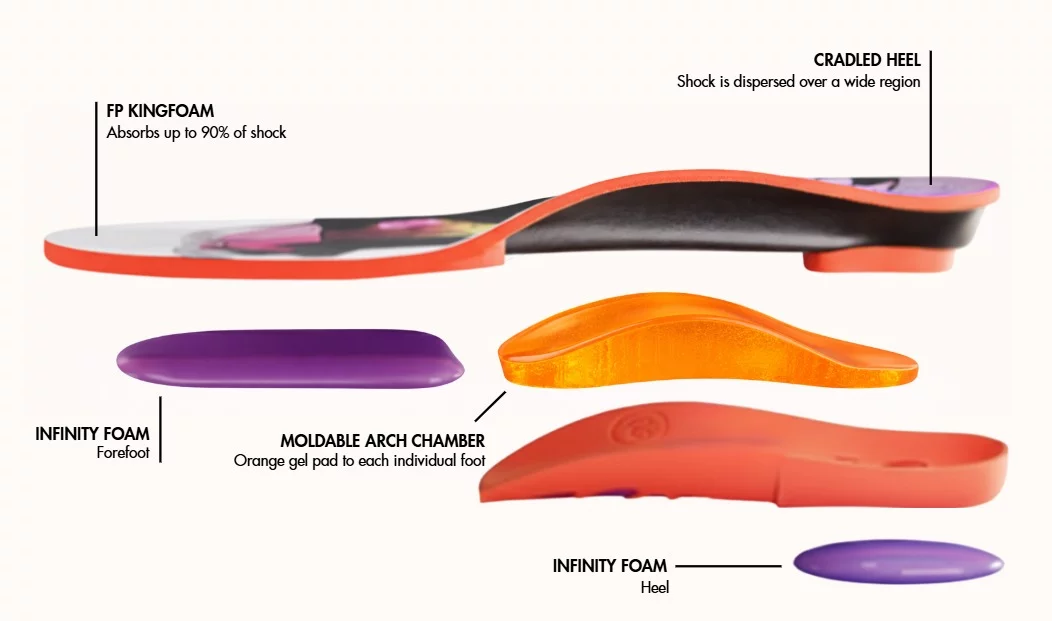
Heat-Activated Molding
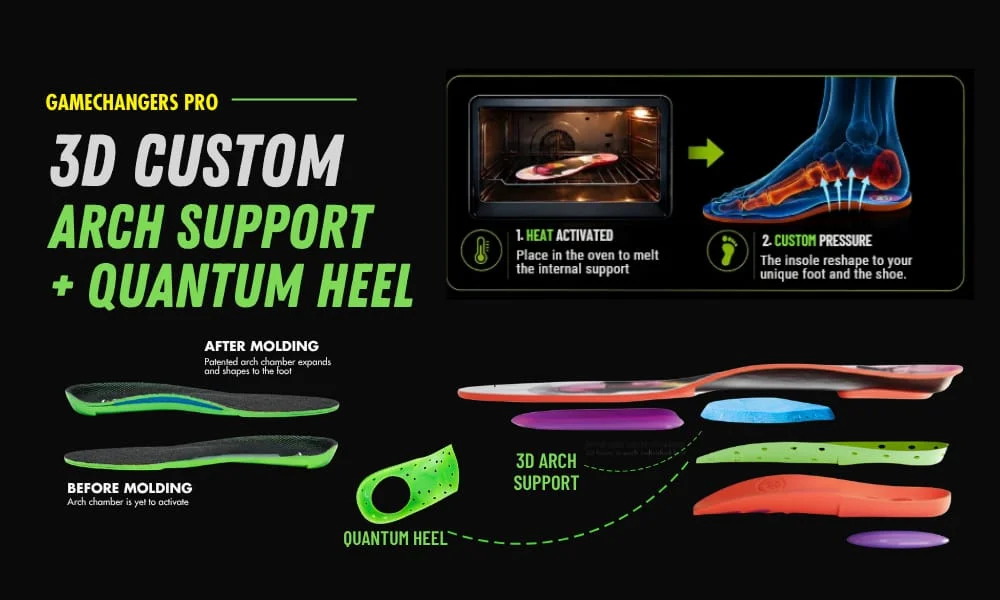
The Gamechangers line features thermoplastic foam that becomes pliable when heated. The molding process involves placing insoles in an oven at 110 degrees Celsius (225 degrees Fahrenheit) for 8 to 10 minutes, then wearing them immediately as they cool. This allows the foam to conform to your unique foot arch and contours.
2. Product Ecosystem
Gamechangers (Custom-Moldable Line)
This is FP’s flagship product. You purchase, heat-mold at home, and wear immediately. The cooling process takes 10 to 20 minutes. Once set, the insole maintains your specific arch profile. This line suits most arch types (flat, medium, and high).
Pre-Molded Kingfoam Orthotics
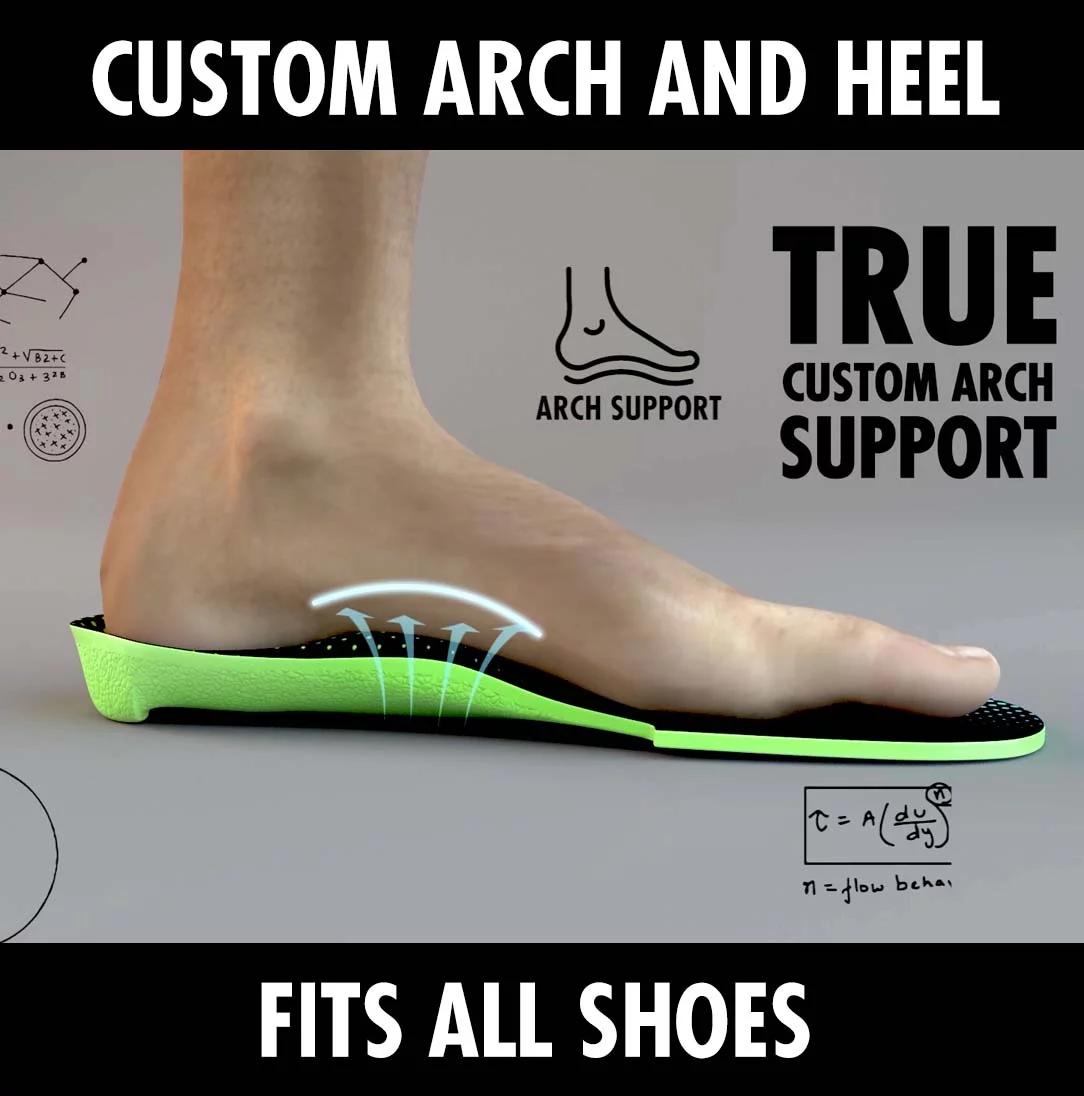
These come with built-in arch support for medium to high arches. Unlike Gamechangers, they require no heating. They are ready to use immediately but offer less customization than heat-moldable options.
Kingfoam Flat/Elite
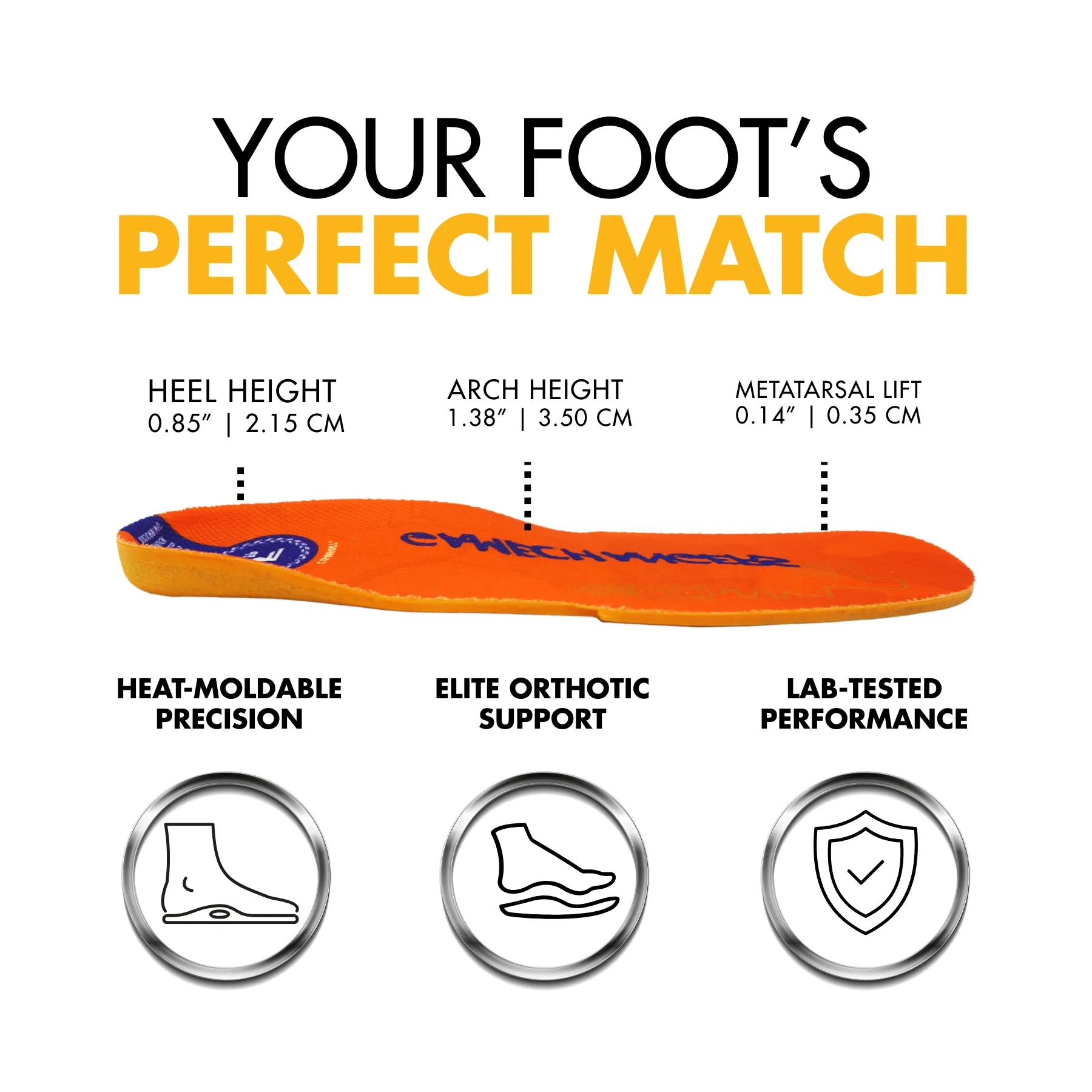
Designed for flat feet or users who prioritize board feel and ground feedback. The minimal arch design retains shock absorption while reducing bulk inside the shoe.
3. Real-World User Experience
Break-In Period
New users commonly report that FP insoles feel stiff during the first few days of wear. This typically resolves after 3 to 7 days as the foam adapts to your gait pattern and the material softens with body heat and activity.
Thickness and Fit
FP insoles are noticeably thicker and denser than stock insoles from mainstream athletic brands. This thickness means you must have adequate internal shoe volume. Shoes already snug at the instep may feel uncomfortable with FP insoles added. Many users recommend trying them in shoes with removable insoles or purchasing shoes a half size larger.
Durability
The foam core resists permanent compression and typically outlasts the shoe itself. However, the fabric layer glued to the top surface can fray or peel after months of heavy friction, particularly at the heel and toe areas. This cosmetic wear does not affect performance but may reduce comfort if sharp edges develop.
Odor Management
The closed-cell foam resists moisture absorption and odor buildup better than traditional foam, though regular cleaning is still recommended.
4. General Assessment: Pros and Cons
| Criteria | Strengths | Limitations |
| Shock Absorption | Excellent impact protection for heels and joints; suitable for high-impact activities | Requires adjustment period before full benefits are apparent |
| Customization | Heat-moldable option provides lab-equivalent custom orthotic experience | Pre-molded line offers less customization |
| Price | Significantly cheaper than professional custom orthotics from a clinic | Higher cost than drugstore alternatives like Dr. Scholl’s |
| Durability | Foam core maintains structural integrity long-term | Surface fabric may fray or peel after heavy use |
| Compatibility | Can work in most shoe types | Thickness requires shoes with adequate internal space |
5. Expert Buying Strategy
Determine Your Arch Type First
Flat feet are best served by the Gamechangers (to customize) or the Flat line. High arches should lean toward pre-molded Kingfoam Orthotics. If uncertain, the Gamechangers offer the most flexibility since you control the final shape.
Mind Shoe Fit
Purchase or use shoes that fit slightly loose or have removable factory insoles. FP insoles occupy significant space. Adding them to already-snug shoes risks discomfort across the top of the foot.
Follow Heat-Molding Instructions Carefully
If you select Gamechangers, review FP’s official heating and molding video before starting. Overheating risks damaging the foam structure and compromising performance.
Primary Use Cases
While marketed toward extreme sports athletes, actual user data shows the largest customer base consists of factory workers, nurses, surgeons, retail staff, and others who stand or walk 8 to 12 hours daily on hard flooring. If you fall into this category, FP insoles often provide noticeable fatigue and joint pain reduction.
6. Final Verdict
FP Insoles are not a “feels like walking on clouds” product. They are a serious biomechanical tool designed to reduce joint stress and absorb impact. The at-home molding option offers excellent value compared to professional custom orthotics from a clinic, which are substantially more expensive.
FP insoles represent a solid investment if your primary goal is joint protection during high-impact or high-volume standing activities. The break-in period and thickness requirements mean you should try them in shoes you already own (or purchase shoes with room to accommodate them).
Best for: Athletes, runners, and workers who stand all day; people seeking affordable custom orthotic alternatives; individuals experiencing heel, knee, or lower back pain related to impact activities or prolonged standing.
Skip if: You have existing foot conditions requiring professional medical orthotics; you wear tight-fitting shoes with no room for thick insoles; you prioritize immediate comfort over long-term joint protection.
Disclosure: This review contains affiliate links. We earn a commission if you purchase through our links at no extra cost to you. This affiliate relationship does not influence our assessment or ranking of products.




Write Your Review
No reviews yet. Be the first to share your experience!