

Most weighted vests hit a wall. You buy one with sewn-in pockets, fill it with the little bricks it came with, and somewhere between month three and month six the full vest stops being hard. At that point your options are buying a second, heavier vest or accepting that your pull-ups have stopped progressing.
The plate-loaded design solves that by removing the weights from the equation entirely. Instead of proprietary bricks, the vest carries a threaded post on the chest that takes the same Olympic plates sitting on your rack. You load what you need, and the ceiling moves as far as the frame allows.
Kensui is the brand that built a business on this. It was founded around 2018 by Remy Mock, an engineer with two MIT degrees who started calisthenics while working as a digital nomad, and the EZ-VEST is the product the company is known for. Kensui says the loading mechanism is patented.
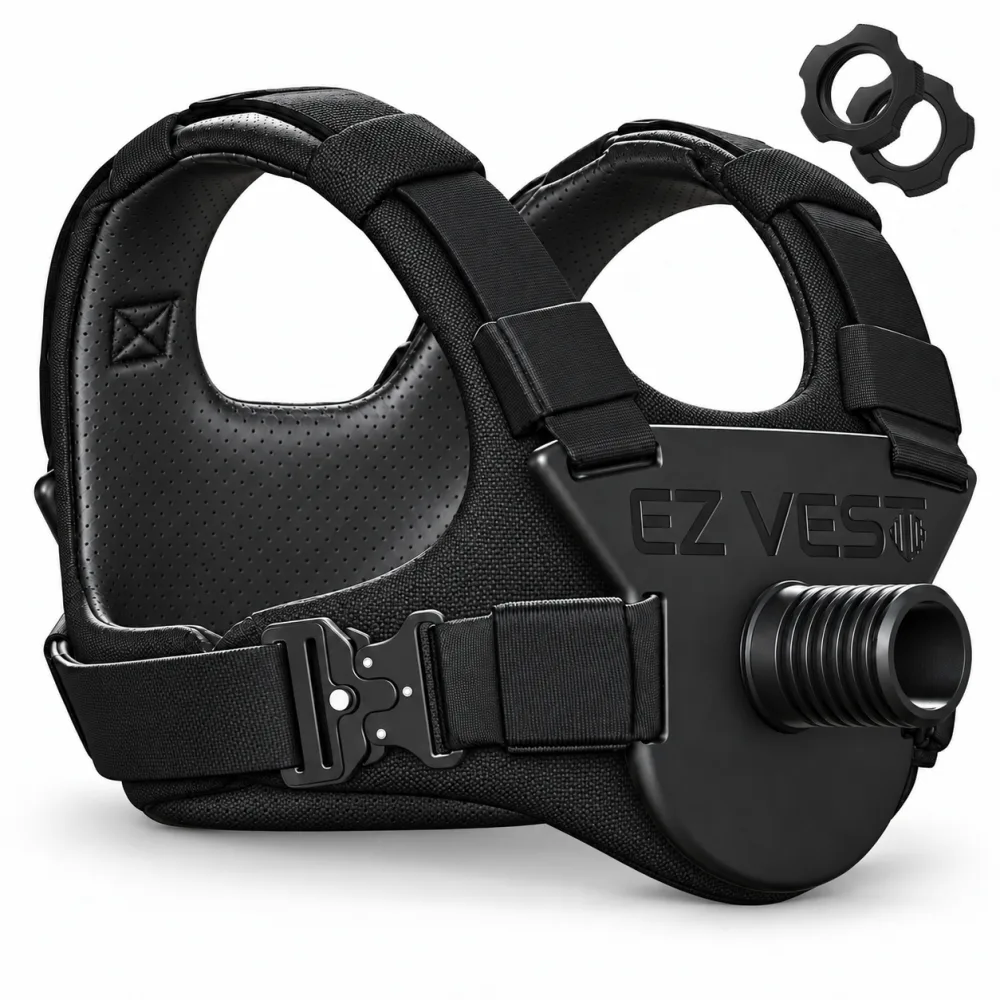
This guide covers which of the three versions to buy, the plate compatibility question that catches most first-time buyers, and the trade-offs the design makes that a sandbag vest does not.
Settle This Before You Read Anything Else
That is the real gate on this purchase, and it is worth being blunt about it because the marketing does not lead with it. If you have a rack and a set of iron or thin steel plates, the EZ-VEST turns equipment you already own into a vest that never runs out of room. If your garage is empty, you are looking at the price of the vest plus the price of a plate set, and a conventional adjustable vest will be cheaper and simpler.
If you are still assembling the gym around it, our guides to adjustable dumbbells for small home gyms and folding squat racks cover the two purchases that usually come first, and the rest of the Home Gym section covers the supporting equipment. The same thin-plate constraint applies to Kensui’s specialty barbells, whose shorter sleeves fill up just as fast.
Quick Picks
| If you want… | Buy this | Price |
|---|---|---|
| The sensible default for most people | EZ-VEST Pro, 150 lb capacity | $179 |
| The cheapest way to try the design | EZ-VEST Lite, 80 lb capacity | $99 |
| A ceiling you will never reach | EZ-VEST Max, 300 lb capacity | $299 |
| To run 1-inch standard plates | Standard Plate Adapter, pair | $27 |
| To fit thicker plates | Extension Sleeve, pair | From $29 |
| Floor push-ups without the post in the way | XT Sleeves | From $25 |
| More shoulder comfort under heavy loads | 4-Inch Leather Padding | $19 |
| Weighted pull-ups and dips without a vest | Duo-Belt | $49 |
Prices checked on the brand’s own store in August 2026. Worth noting that Garage Gym Reviews quoted $249 for the Max in its review, so this line has gone up rather than down.
How the Design Works, and What It Costs You
The vest is a harness rather than a jacket. Padded shoulder sections, a strap across the waist, and a rigid plate on the chest carrying a threaded sleeve. You slide plates onto the sleeve and lock them with the included collars. Kensui lists the empty vest at roughly 6.6 lb, and the sleeve accepts both 2-inch Olympic and 1-inch standard plates, with collars supplied for both.
Three things follow from putting all the weight on one post at the front, and only one of them is good.
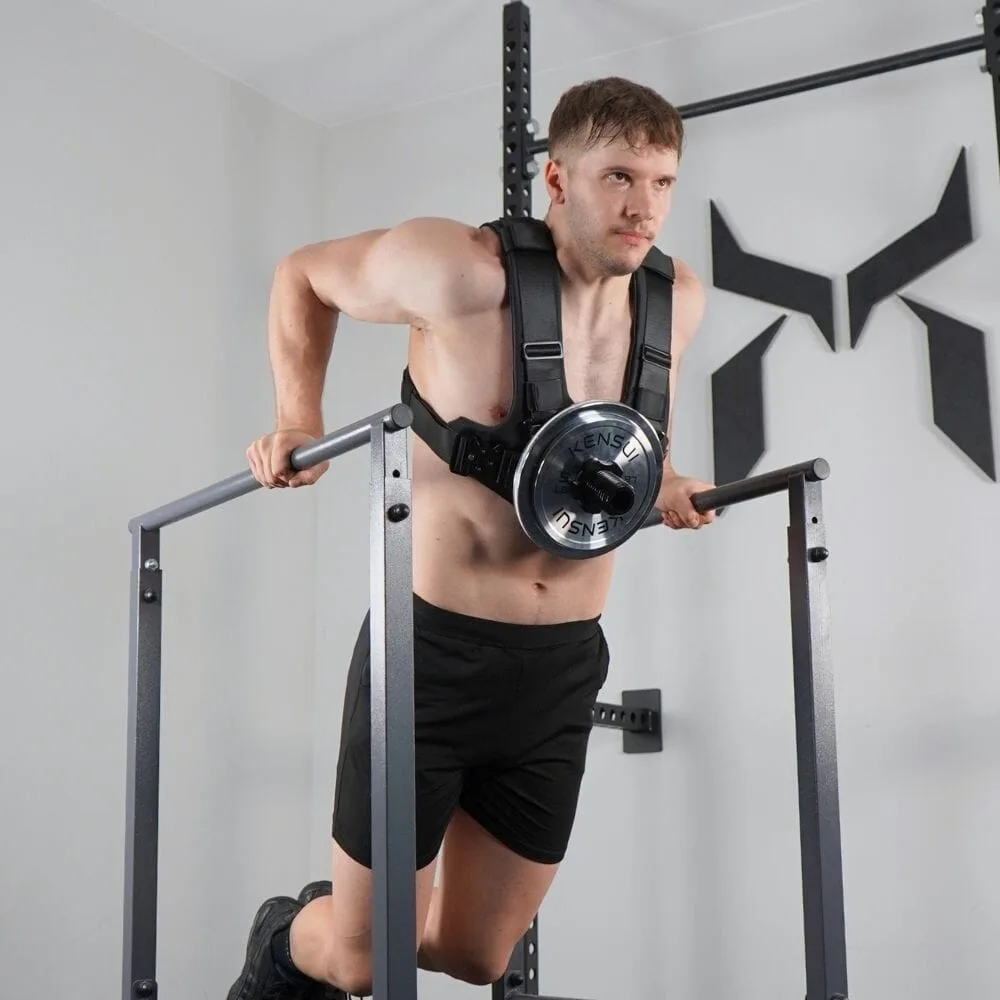
The good part: for pull-ups, dips, squats and rows, this is close to ideal. The weight sits high and central, it does not shift, and adding 10 lb takes about fifteen seconds. Progressive overload on calisthenics is normally the hard problem, and a plate post solves it completely.
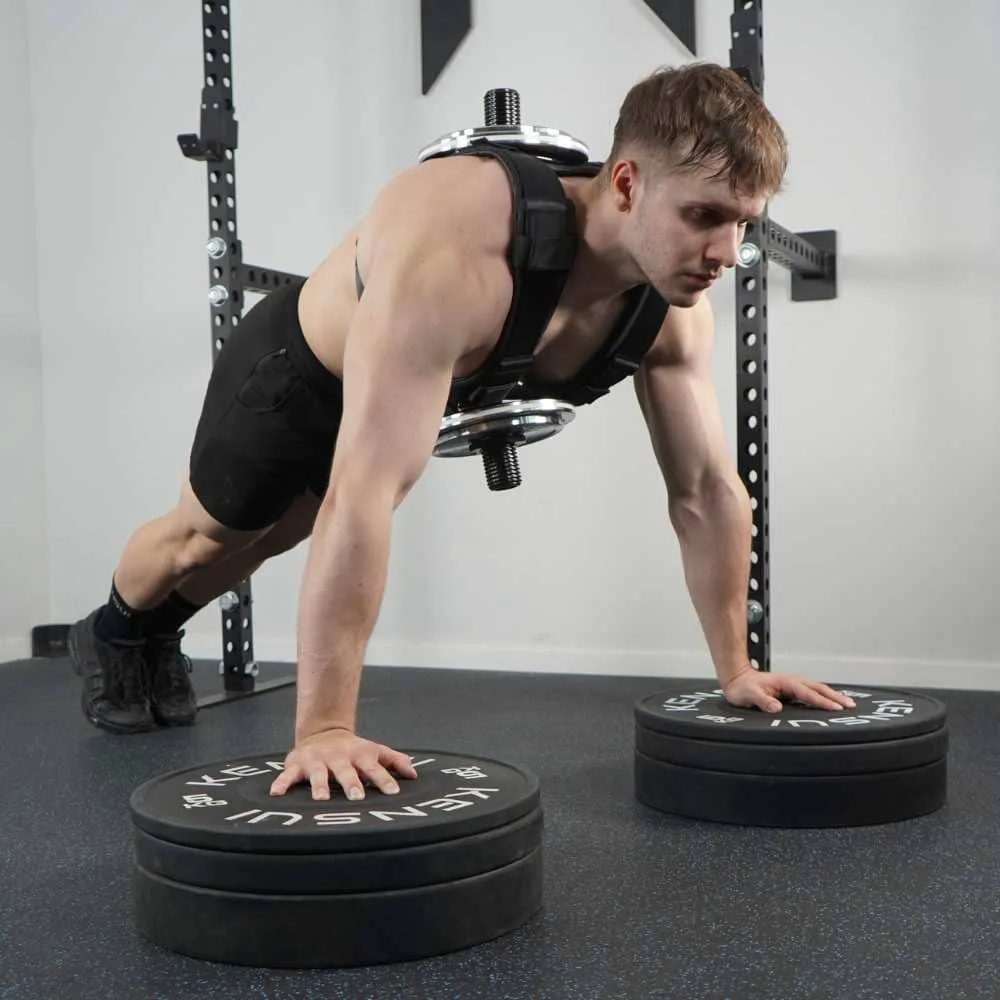
The floor clearance problem: the post sticks out. You cannot do a chest-to-deck push-up with plates mounted unless you take the front post off, elevate your hands, or buy the XT sleeves that clamp plates flush. Kensui sells the fix, which is fair enough, but it means the advertised price is not the price for a complete setup if push-ups are part of your routine.
The bounce problem: loose plates on a post move more than weights sewn into fabric. For slow strength work that is irrelevant. For running, rucking over distance, or high-volume conditioning circuits it is a real drawback, and Garage Gym Reviews is direct about it, calling the vest unsuitable for CrossFit-style metcons and noting that 45-pound plates get awkward near the chin. If your goal is a weighted mile or a Murph-style workout, buy a conventional vest instead.
The Three Versions
The naming is refreshingly honest for once: the number in the name is the capacity, and the price ladder tracks the build quality rather than hiding a feature behind a tier.
| Lite | Pro | Max | |
|---|---|---|---|
| Max load | 80 lb | 150 lb | 300 lb |
| Frame | Fiberglass | Fiberglass | Aluminum |
| Padding | None | 6 mm | 8 mm |
| Lining | None | Air mesh | PU leather |
| Fastening | Velcro | Velcro | Quick release buckle |
| Sleeve span | 7 cm | 9.5 cm | 9.5 cm |
| Price | $99 | $179 | $299 |
EZ-VEST Pro, $179 — the one to buy
This is the version that makes sense for almost everyone. 150 lb of capacity is more than most people will ever strap to their chest for a set of pull-ups, the 9.5 cm sleeve span matches the Max so plate compatibility is identical, and it has 6 mm of padding with an air mesh lining.
That lining is worth dwelling on, because it is the one place where the cheaper model is arguably better than the expensive one. The Max uses PU leather. Garage Gym Reviews prefers the Pro’s air mesh for exactly the reason you would expect, noting that polyurethane leather probably is not the best surface for heavy, sweaty training. If you train hard in a warm garage, the $179 vest may well be more comfortable than the $299 one.
Skip it if: you genuinely load past 150 lb, or you want the buckle rather than velcro.
EZ-VEST Lite, $99 — the entry point with a catch
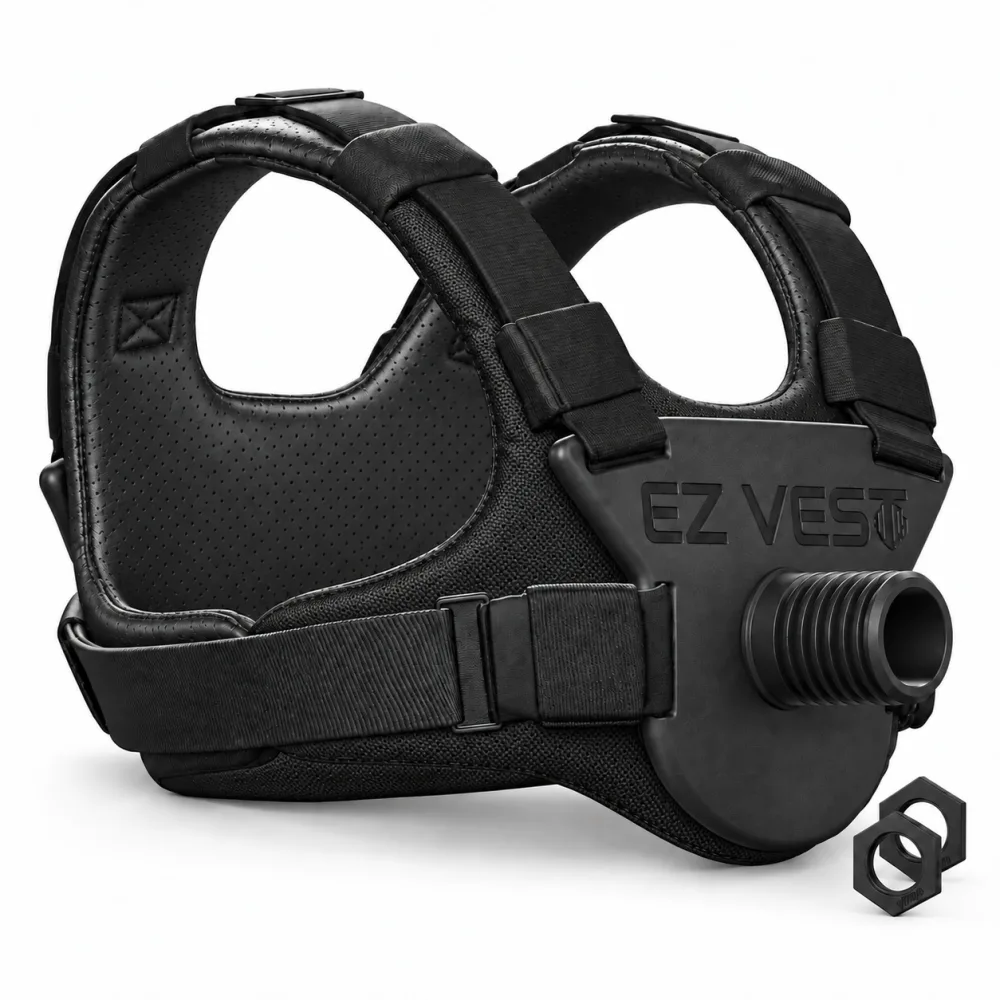
Eighty pounds of capacity for $99, and for a lot of people that ceiling is perfectly adequate. The catch is in the spec sheet rather than the capacity: the Lite has no padding and no lining, and a 7 cm sleeve span rather than 9.5 cm.
The narrower sleeve is the part that bites. Thick plates that fit a Pro may not fit a Lite, which pushes you toward the extension sleeves and erodes the saving. The missing padding matters less at 20 lb than at 70 lb, but 70 lb on bare webbing across your shoulders is not a pleasant way to do a set of ten.
Skip it if: your plates are rubber bumpers, or you expect to pass 50 lb within the year. The $80 step up to the Pro buys padding, a lining and a third more sleeve space.
EZ-VEST Max, $299 — more ceiling than most people need
Aluminum frame, 8 mm padding, a metal quick release buckle instead of velcro, and 300 lb of rated capacity. The buckle is a genuine convenience when you are getting in and out of the vest between sets, and the aluminum frame is the reason the capacity is what it is.
Be honest with yourself about the number, though. Three hundred pounds on a pull-up is not a goal most people are working toward, and paying $120 over the Pro for capacity you will not use, while accepting the PU leather lining, is a poor trade. Buy this one for the buckle and the frame if you want them, not for the 300.
Skip it if: you are buying it for the headline capacity. The Pro is the better value at almost every realistic training load.
Compare the three versions at Kensui →
Which Plates Actually Fit
This is where orders go wrong, so it is worth being precise. The sleeve has a finite span, and plate thickness varies enormously between types. Thin cast iron and calibrated steel plates pack a lot of weight into very little sleeve. Rubber bumper plates do the opposite: a 25 lb bumper can be as thick as a 45 lb steel plate.
- 2-inch Olympic plates are the default. Collars are included.
- 1-inch standard plates need the Standard Plate Adapter, a pair of sleeves and spin lock collars at $27. If your plates came with a cheap home dumbbell set, this is almost certainly what you need.
- Thick or rubber plates need the Extension Sleeve, which Kensui says gives 57% more loading space, from $29 for the Pro and Lite up to $47 for the Max.
- Floor work needs the XT Sleeves, from $25, which clamp the plates with no overhang so you can do push-ups and floor movements without the post hitting the ground.
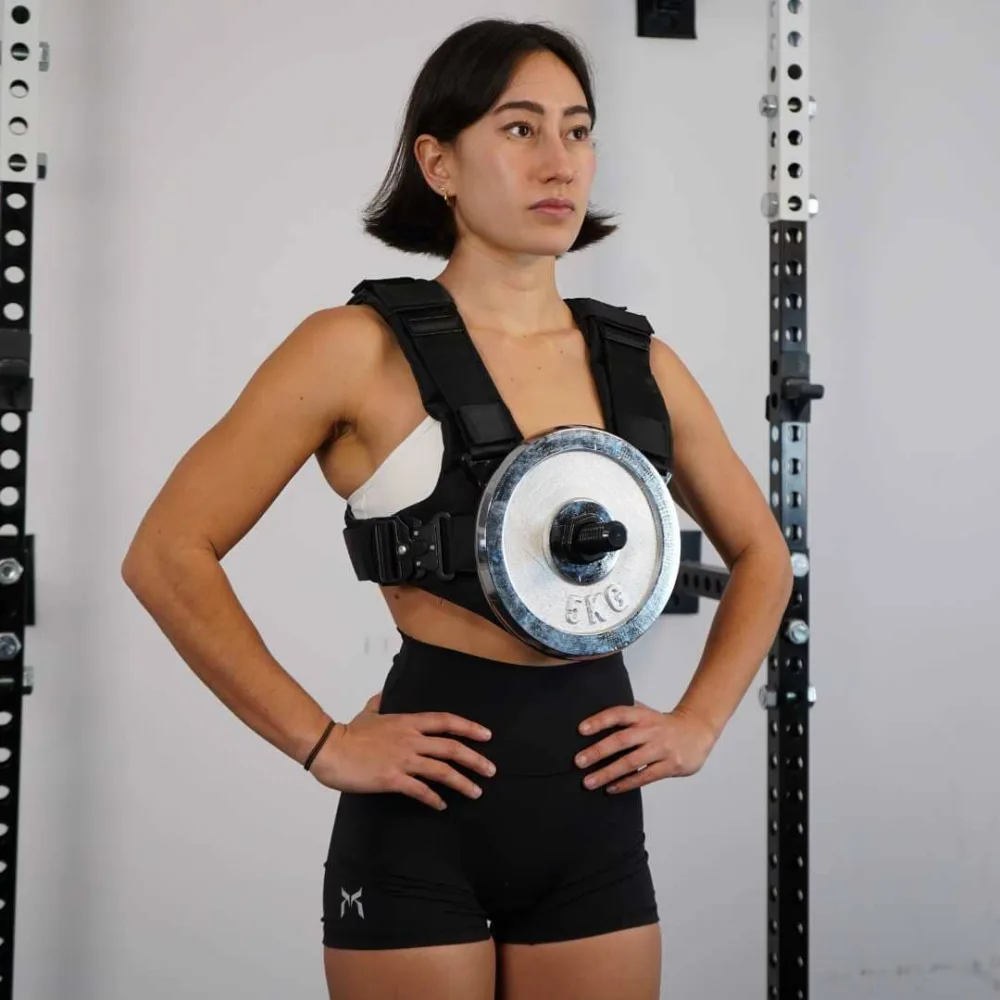
Add those up and a realistic first order is often the vest plus one sleeve accessory, not the vest alone. Budget for it rather than being surprised by it.
Accessories Worth the Money
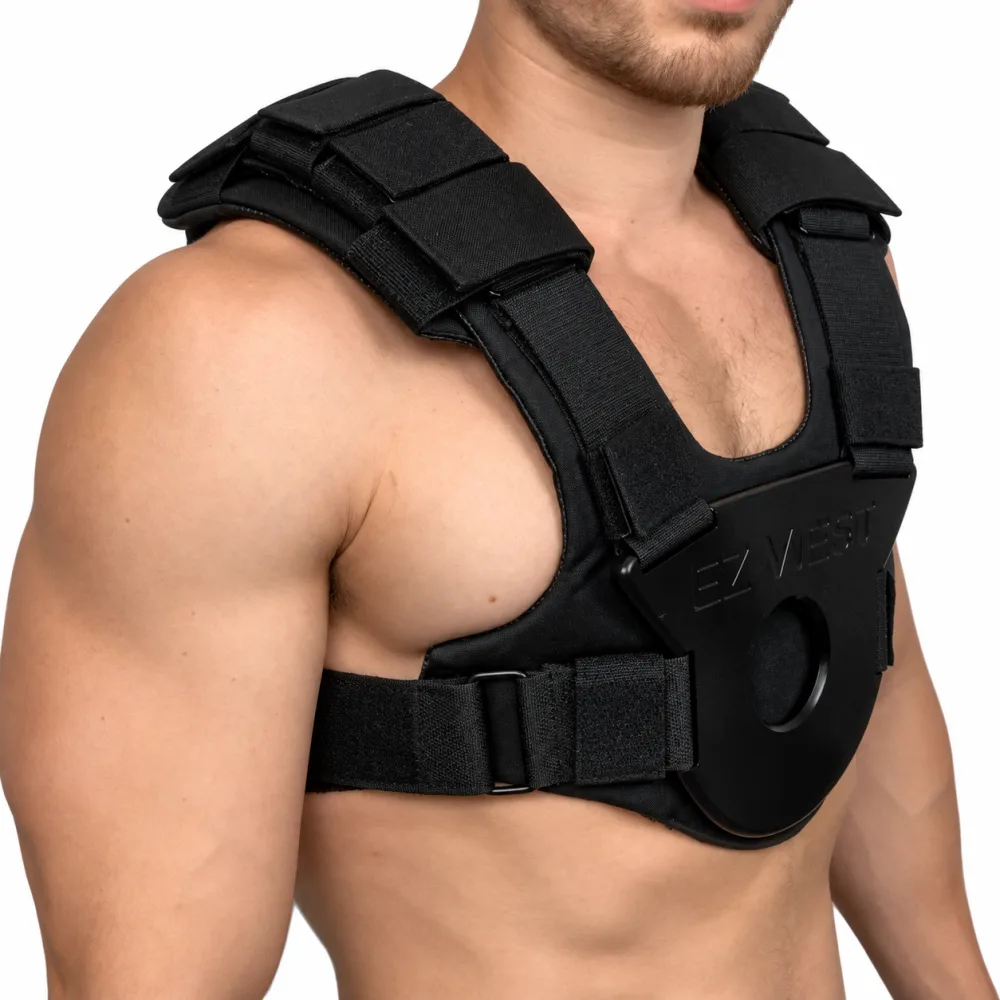
4-Inch Leather Padding, $19
Widens the shoulder contact patch from the built-in 2.75 inches to 4.3 inches, in 1680D ballistic nylon with a PU leather lining and a reinforced foam pad. At $19 this is the highest-value item in the accessory list if you load heavy, because shoulder comfort is the thing that ends sets before your back does.
Machine Washable Padding, $49
A replacement front and back padding set. The vest already comes with padding, so this is for households sharing one vest or for anyone who would rather wash the pads than live with them. Useful, not essential, and priced high enough that it is a considered purchase rather than an add-on.
Suspension System, $49
A heavy duty system for getting in and out of the vest quickly and for hanging the vest between sets. Worth flagging that it was showing as out of stock when I checked the catalog in August 2026, so do not build a plan around it without confirming availability.
If You Do Not Want a Vest at All
Two of the products next to the vest in the catalog do a similar job differently, and for some people they are the better buy.
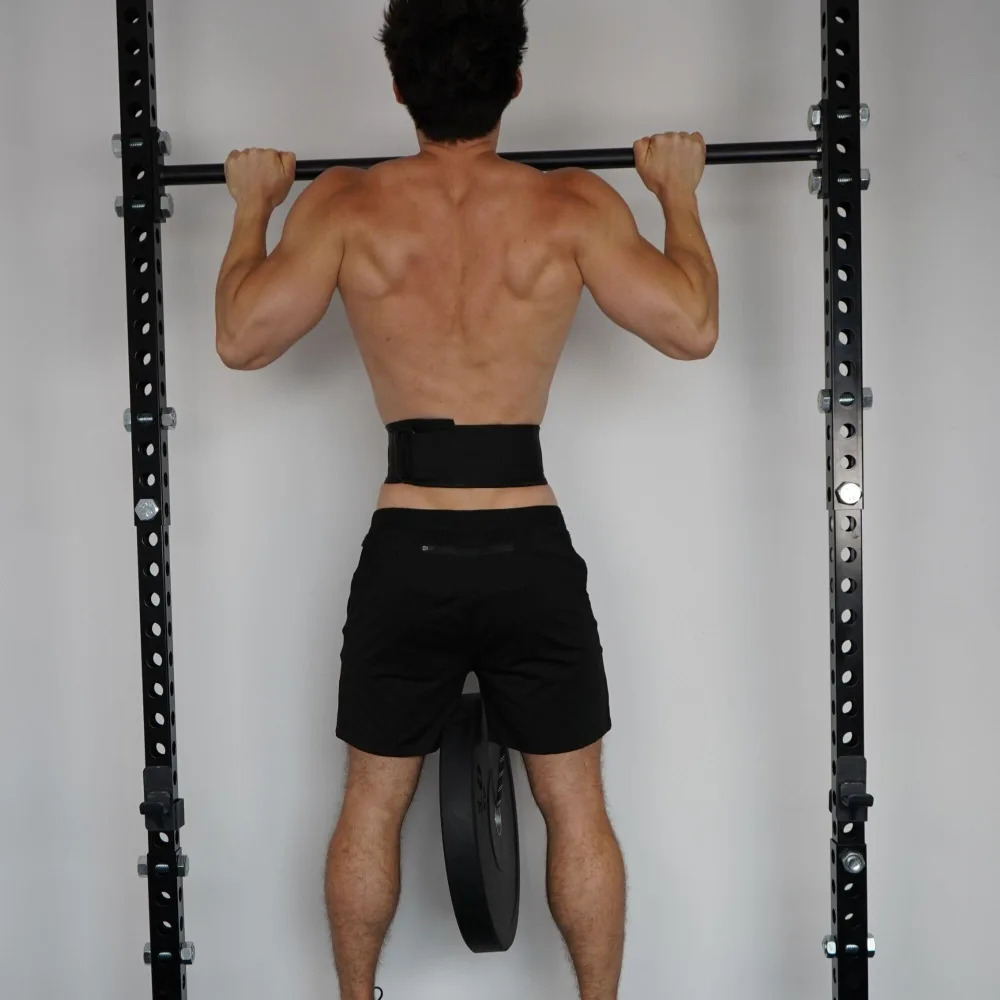
Duo-Belt, $49
A nylon webbing belt that works as both a dip belt and a lifting belt, with removable carabiners. For pure weighted pull-ups and dips this is the cheaper answer, and the hanging load stays completely out of the way of your chest and chin. What it will not do is weighted push-ups, squats or rows, where a vest keeps the weight attached to your torso.
If your goal is specifically heavier pull-ups and nothing else, start here and save yourself $130.
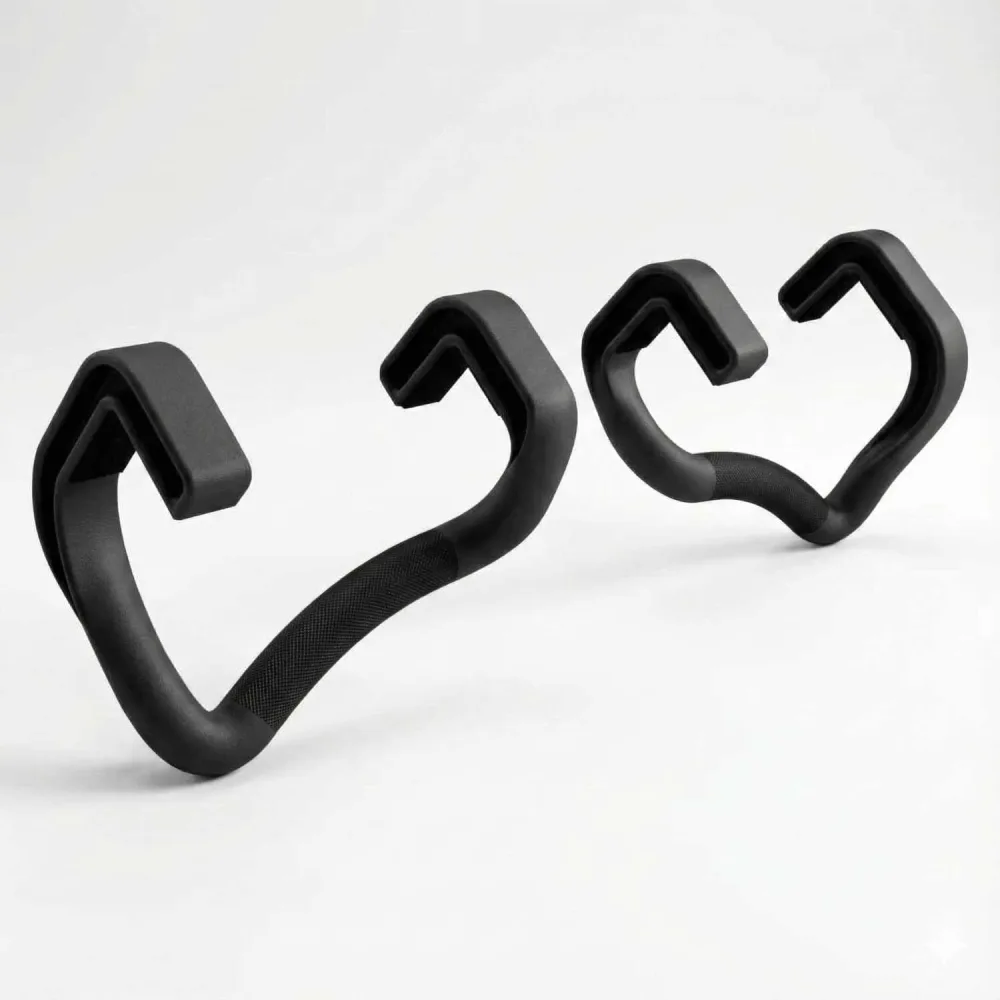
ARX Grips, $45
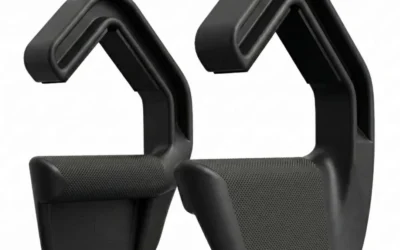
Hooked attachments that sit over a standard pull-up bar and give you knurled handles sloping downward, in the shape of the bent ends of a lat pulldown bar. The claimed benefit is a more natural wrist angle and a grip width that changes the handle angle as you move out.
Adding load to pull-ups usually exposes your grip and wrists as the limiting factor before your back gives out, so this is a reasonable companion purchase to a vest rather than an alternative to one. The 360°GRIPS, from $29, are the portable rotating version if you want something that fits in a bag.
What Independent Reviewers Found
The EZ-VEST has been covered by several equipment outlets, which is more scrutiny than most direct-to-consumer fitness brands get. Garage Gym Reviews gives it 4.2 out of 5 with an editor’s rating of 4.4, which is a strong score, and the criticisms it raises line up with the ones above rather than contradicting them:
- It can feel awkward at first
- The plates bounce more than the fixed weights in a conventional vest
- Large 45 lb plates sit close to the chin
- It is expensive for a vest that arrives with no weight
- Not a good match for runners or high-volume conditioning work
One thing I would treat with caution: the product page carries quotes attributed to major publications. I could not verify all of those placements independently, so weigh the equipment outlets that have published full reviews more heavily than the logos on the landing page. The same goes for the founder’s before-and-after physique numbers, which are a marketing story rather than evidence of what the vest will do for you.
Frequently Asked Questions
Is a plate-loaded vest better than a regular weighted vest?
Better for strength work, worse for conditioning. If you are doing weighted pull-ups, dips and squats and you want the load to keep climbing for years, the plate-loaded design wins easily. If you are running, rucking or doing high-rep circuits, a conventional vest with fixed weights sits tighter and bounces less.
Can you do push-ups in it?
Not chest-to-deck with plates on the standard sleeve, because the post hits the floor. You can elevate your hands, remove the front post, or buy the XT sleeves from $25, which clamp the plates flush for floor work.
Which version should a beginner buy?
The Pro at $179 unless budget is the binding constraint. It has padding, a lining, and the same 9.5 cm sleeve span as the Max, so it will not limit which plates you can use. The Lite at $99 is real value only if your plates are thin and your target loads are modest.
Do I need special plates?
No, but thickness matters more than the label. Thin cast iron and calibrated steel are ideal. Rubber bumper plates work but eat the sleeve quickly, which is what the extension sleeves are for. For 1-inch standard plates you need the $27 adapter.
Is 300 lb of capacity real or marketing?
The capacity is the frame rating, and the Max uses aluminum rather than the fiberglass in the other two, so the number reflects a genuine construction difference. Whether it matters to you is a separate question, and for most people the answer is no.
Final Thoughts
The plate-loaded vest is a genuinely good idea aimed at a specific person: someone who already owns plates, trains calisthenics for strength rather than conditioning, and has run out of room on a conventional vest. For that person the EZ-VEST Pro at $179 is the buy. It has the same plate compatibility as the model above it, an air mesh lining that suits sweaty training better than the Max’s PU leather, and a 150 lb ceiling that will outlast most training careers.
Go to the Max at $299 only if you specifically want the quick release buckle and the aluminum frame, not for the 300 lb number. Take the Lite at $99 only if your plates are thin and you know your loads will stay modest, because the missing padding and the narrower 7 cm sleeve are real limitations rather than trim-level differences.
Budget for one sleeve accessory alongside the vest: the $27 Standard Plate Adapter if you run 1-inch plates, the Extension Sleeve from $29 if your plates are thick, or the XT Sleeves from $25 if floor push-ups matter to you. The $19 4-Inch Leather Padding is the cheapest comfort upgrade in the range and the one I would add first.
And if all you actually want is heavier pull-ups and dips, skip the vest entirely and buy the Duo-Belt at $49. It does that one job for a fraction of the money, and there is no reason to carry a chest post around for a movement where the weight can simply hang.
See current pricing at Kensui →
Specifications and prices were taken from the brand’s own online store in August 2026 and change without notice. Third-party ratings are from Garage Gym Reviews. Product images are courtesy of Kensui.




Write Your Review
No reviews yet. Be the first to share your experience!