

Buy a cat an open, padded cushion and there is a decent chance it will sleep in the cardboard box the cushion arrived in. This is not ingratitude. It is the single most reliable thing about cats and bedding: given a choice between a soft flat surface and an enclosed space with one entrance, most cats pick the enclosed space.
There are two sensible reasons for that, and neither is mysterious. A cat resting in a container has its back and sides covered and only one direction to watch, which is what a small ambush predator that is also prey wants from a nap. And cats are comfortable at warmer temperatures than people are, so a space that traps their own body heat is doing something an open bed in a cool room cannot.
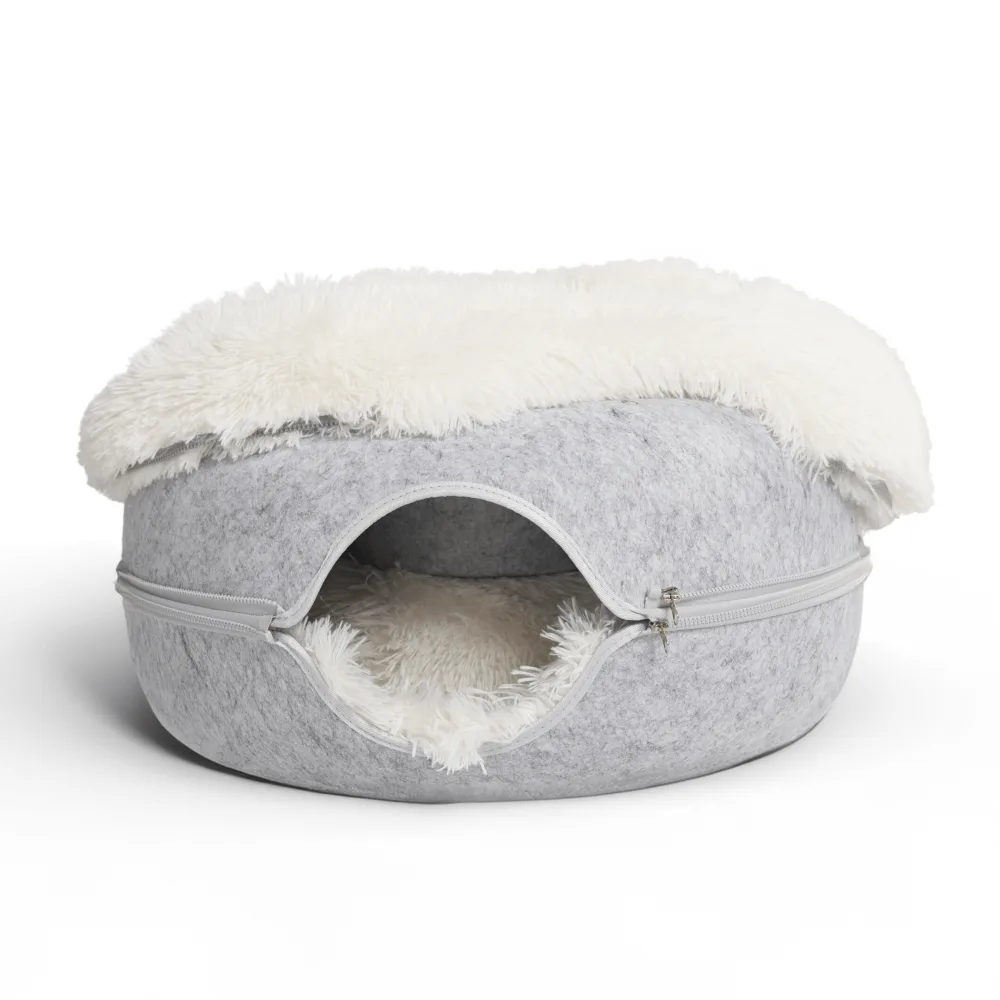
Cattasaurus has built almost its entire catalogue around that one observation. This guide covers the two bed shapes it sells, what to check before ordering, and the three things about these beds that the product pages do not make obvious.
Quick Picks
| If you have… | Buy this |
|---|---|
| One cat, average size | Peekaboo Cave, standard |
| A large cat or two that share | Peekaboo Cave, Jumbo |
| A cat that sheds heavily | Any cave, plus a spare plush cover |
| A cold house or a short-haired cat | A cave with the plush insert |
| Two cats that will not share one hole | Nails on Felt Bunk Bed |
| A bored indoor cat | Peekaboo Play Box |
| A cat that ignores toys | CatSniff Fish Kicker, 3 pack |
| A genuinely anxious cat | A vet appointment, then a bed |
Three Things the Product Pages Do Not Tell You
1. The zip is the weak point, and it is the recurring complaint
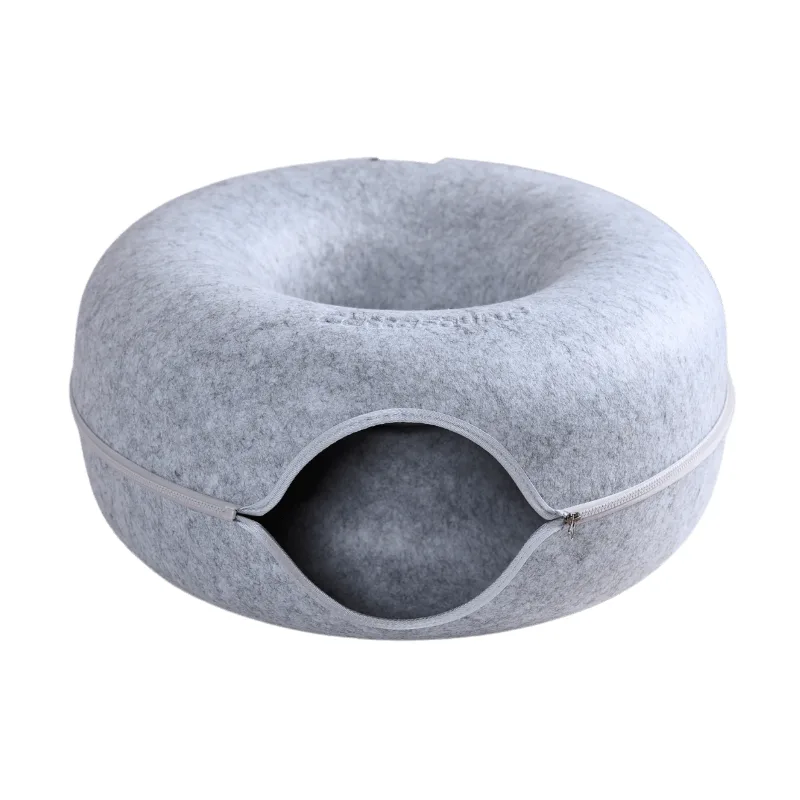
These caves are built as a felt ring that zips closed around its circumference. That zip is what lets you open the bed flat to clean it, and it is also the part that owners complain about most consistently.
Across published reviews the same two problems come up: the zip can be stiff and awkward to close, particularly when the felt is new and holding its shape, and a proportion of units arrive with the zip already broken. Some buyers also report the felt arriving dented from shipping, which is a packaging issue rather than a design one and usually relaxes out.
None of that makes the bed a bad product. The independent review coverage, including a full review at Cats.com, is broadly positive and the cats in it use the thing enthusiastically. But if you are ordering one, open the box and work the zip all the way round before the gift-giving deadline, because a dead zip is the failure mode here and the brand lists a twelve month warranty you will want to use promptly rather than in February.
2. The size and weight ratings are not consistent between listings
This one is worth care because it decides whether the bed fits your cat.
The large cave is listed by the brand at around 24 inches across. Marketplace listings for what appears to be the same product give the item dimensions differently, and more importantly the weight guidance varies: some listings say the large suits cats up to about 30 lbs, others say 30 to 45 lbs, which is a wide gap to leave to the buyer.
The practical approach is to ignore the weight number and measure instead. Measure your cat nose to tail base while it is lying curled, and buy a cave whose internal diameter comfortably exceeds that. Cats curl, so a bed that looks generous in a photograph can still be too tight at the shoulders. If you are between sizes or have two cats who pile in together, size up to the Jumbo.
3. The price for the same bed varies enormously by seller
This product is sold through the brand’s own store and through several large marketplaces, and the gap between them is not small. Across the listings I could see, the same large cave has appeared anywhere from the mid sixties to the high one hundreds in US dollars depending on where you buy and which colour you pick, with the brand’s own site also running bundle pricing that changes the per-bed figure again.
I am not going to quote a single price in this guide, because any number I print will be wrong within weeks and the spread is wide enough that an out-of-date figure would actively mislead. Check the price at two sellers before you buy. On a product with this much variation that five-minute check is worth more than any recommendation here.
About the Word “Calming”
Worth adding that a new bed is not something a cat decides about on day one. The usual pattern is suspicion, then investigation, then occupation, over a week or two. Putting it where the cat already chooses to sleep, rather than where you would like the cat to sleep, shortens that considerably. So does leaving it alone and not carrying the cat to it.
The Beds
Peekaboo Cave
The flagship, and the shape the brand is known for: a thick felt ring with a round tunnel entrance, open at the top in the middle so a cat can either go inside or sit in the dip on top. That dual use is the quietly clever part, because it means one object serves a cat that wants to hide and a cat that wants to supervise the room, often on the same day.
Felt is the right material here for two reasons that have nothing to do with looks. It holds a rigid shape, so the tunnel does not collapse when a cat barges through it, and it is sturdy enough that cats tend to treat the outside as a scratching surface rather than shredding it.
Skip it if: your cat is a confirmed open-sleeper who stretches out on the sofa back. Not every cat is a cave cat, and a cave for a cat that wants a vantage point will sit empty.
Colours, and a practical note about them
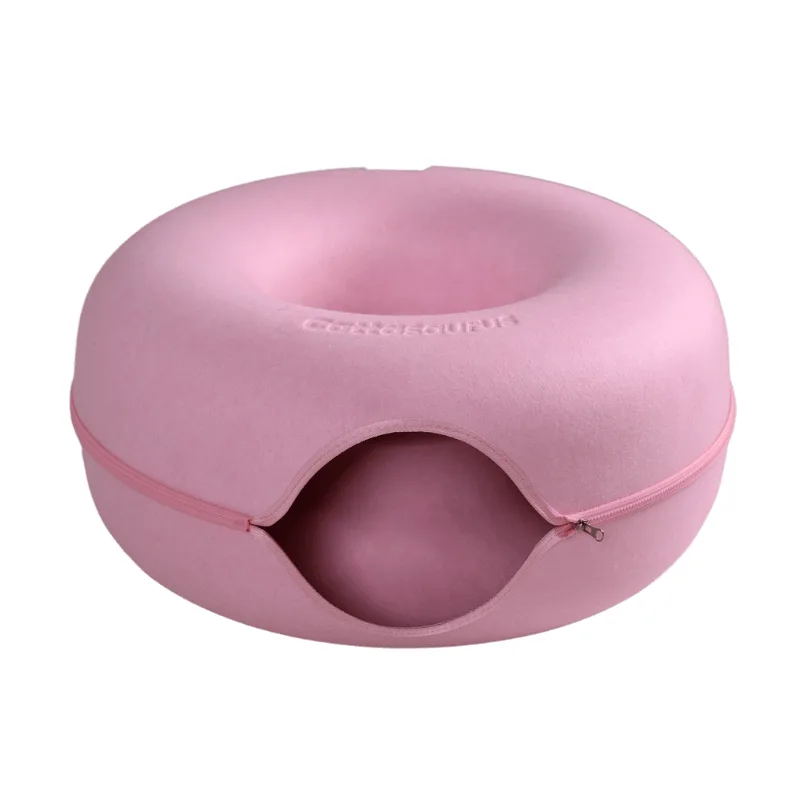
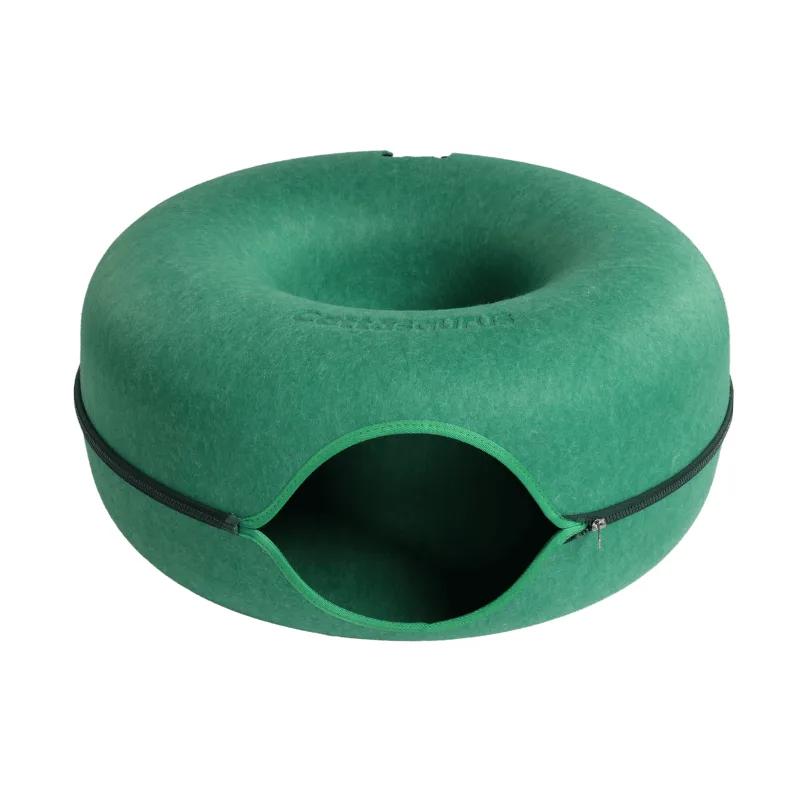
The range runs from neutral greys through pink, green, blue and seasonal colourways. Pick on your room if you like, but there is one functional consideration worth more than the aesthetics: a cat bed is a hair magnet, and contrast is what makes hair visible. A dark grey or forest green cave will look filthy within a day under a white cat, and a pale grey one will do the same under a black cat. Choosing a colour close to your cat is the single easiest way to make the bed look clean between washes.
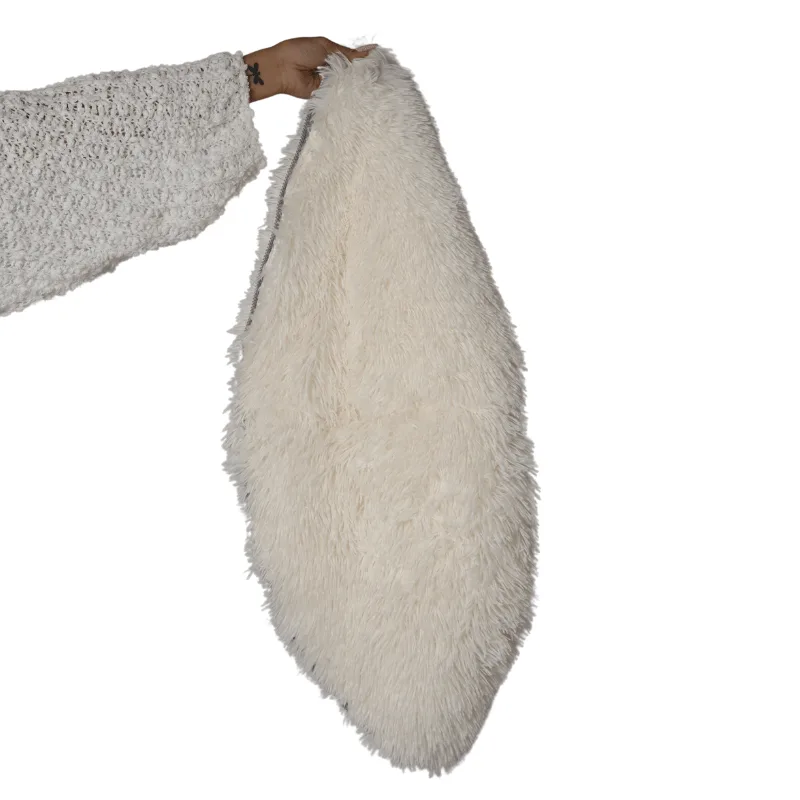
Plush covers and inserts
The caves can be used bare or with a long-pile plush cover and mat, and covers are sold separately as replacements. This matters more than an accessory normally would, for a reason specific to cats.
Cat bedding accumulates hair, dander and the occasional hairball, and the honest answer to how often it needs washing is more often than you expect. A spare cover means the bed stays in service while the first one is in the machine, which is the difference between a bed that gets washed regularly and one that does not. If you are buying the bed as a gift, a spare cover is the add-on that will actually get used.
The plush also makes a meaningful warmth difference. A bare felt cave is fine in a warm house; add the plush for a short-haired cat, an older cat, or a cold room.
When One Hole Is Not Enough
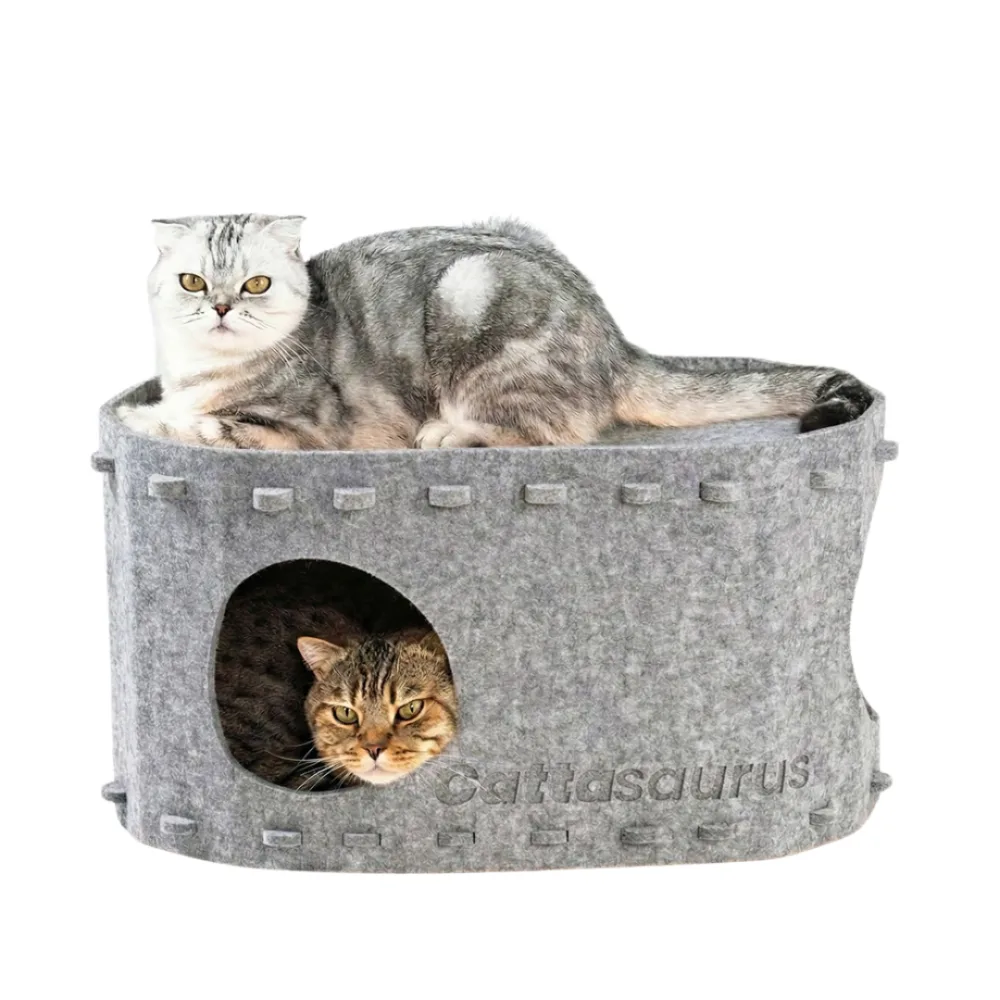
Nails on Felt Bunk Bed
Two levels: an enclosed lower compartment and an open deck on top. The photograph above is the whole argument for it, and it is a real argument if you have two cats.
Multi-cat households run on a hierarchy that is mostly about vertical space and sight lines. One cave means one cat gets it and the other does not, and that is a reliable source of friction. A bunk gives the cat that wants to hide the enclosed level and the cat that wants to watch the room the top, in the same footprint. It is also a scratching surface, which the name is telling you.
Skip it if: you have one cat. It is a bigger object and the second level is wasted.
Two Things That Are Not Beds
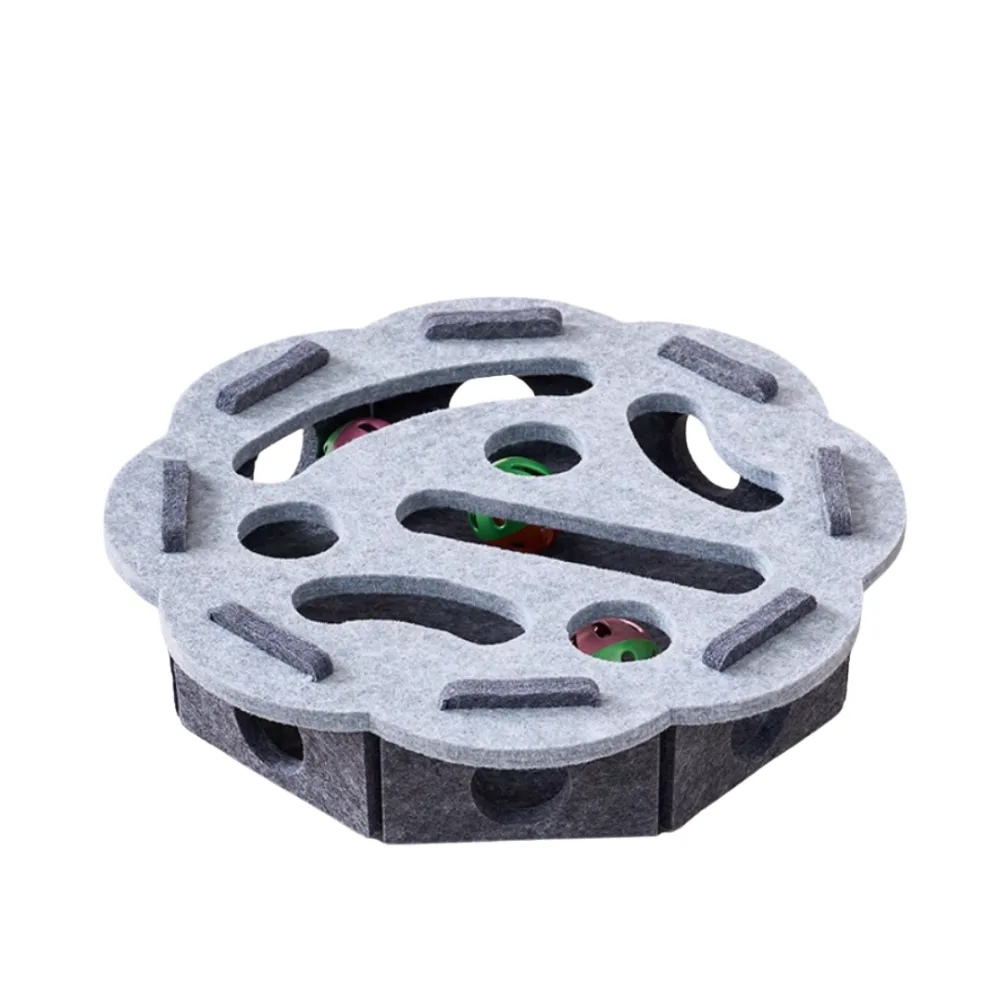
Peekaboo Play Box
A felt box with slots cut in the lid and bell balls rattling around inside, so the cat can see and hear something it cannot quite reach. This is a batting toy built on the same instinct as the cave: cats are intensely interested in things in holes.
The honest limitation of every toy in this category is that the balls are captive, so the game is always the same game. It holds attention well for a while and then becomes furniture. Rotating it out of sight for a fortnight and bringing it back resets most of that.
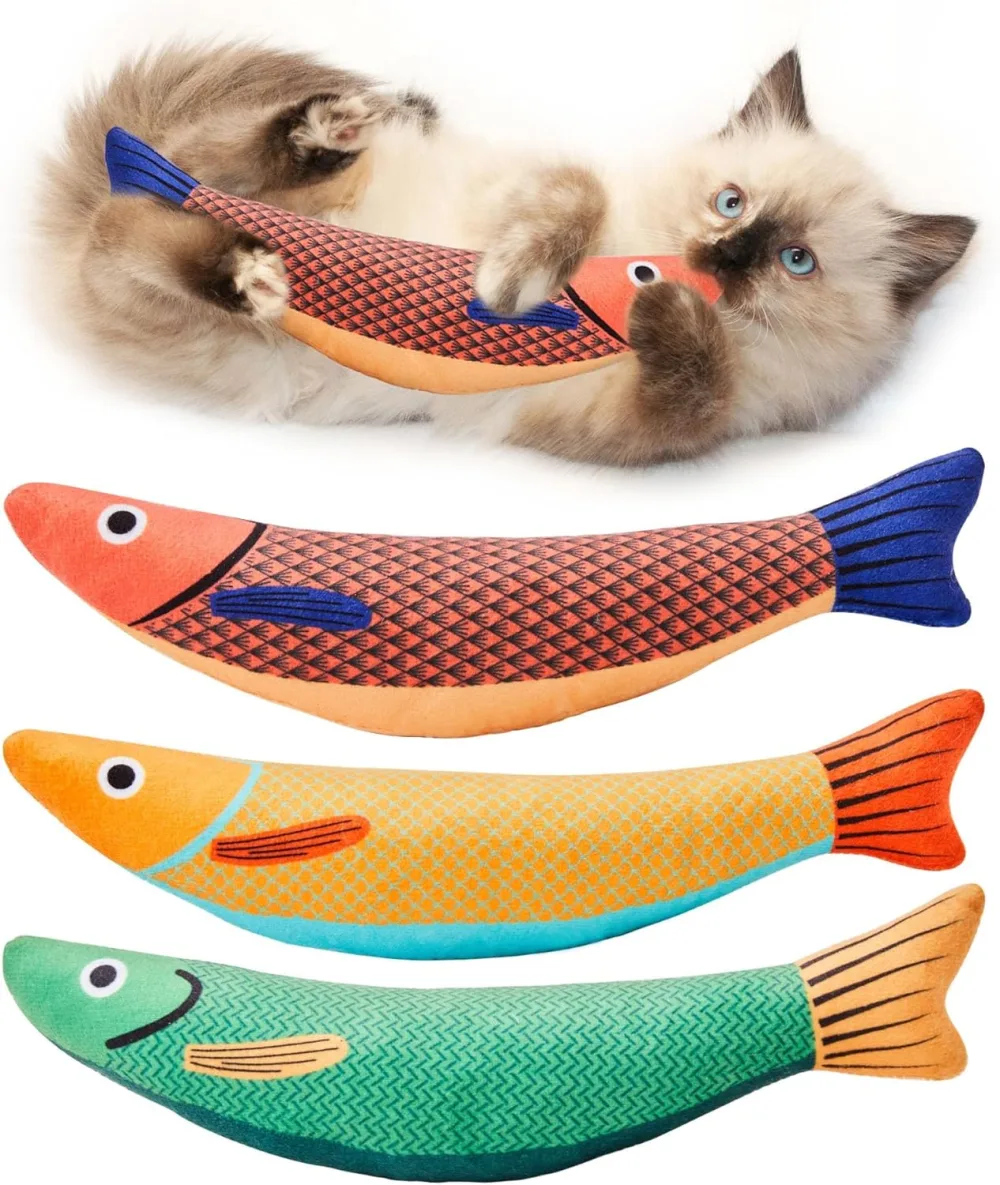
CatSniff Fish Kicker, 3 pack
A kicker is a long soft toy sized so a cat can grab it with the front paws and rake it with the back ones, which is the motion a cat uses on actual prey. That is why kickers hold interest when small jingly balls do not: they allow the complete sequence rather than just the batting part.
Buying three is the right call, because the usual fate of a single favourite toy is to end up under the sofa permanently.
Frequently Asked Questions
Why does my cat ignore the expensive bed?
Usually position rather than product. Cats choose where to sleep based on warmth, height and sight lines, and a bed in the wrong corner will be ignored regardless of what it cost. Put it where the cat already sleeps, and give it a fortnight before concluding anything.
Do enclosed beds actually help a nervous cat?
A secure place to retreat to genuinely helps a cat that is merely cautious, and most households see a cat using a cave within a week or two. A cat with a real anxiety problem needs a vet, not furniture. The two are easy to confuse because the word “calming” is used for both.
How do I wash it?
The plush covers and mats come off and go in the machine. The felt body opens flat via the zip, which is what the zip is there for. Expect to wash more often than you would a dog bed, because cats groom onto their bedding constantly.
What size should I buy?
Measure your curled cat rather than trusting the weight rating, since the weight guidance differs between listings. If you are between sizes, or two cats are likely to share, take the Jumbo.
Will my cat scratch it to pieces?
Dense felt stands up to clawing better than woven fabric, and most cats treat the outside as a scratching post rather than destroying it. If your cat is a determined shredder, the bunk bed is explicitly built with that in mind.
Final Thoughts
The reason this brand works is that it has picked one true thing about cats and built around it rather than around what looks good in a living room photograph. An enclosed bed with a single entrance is what a cat would choose, and that is a better basis for a purchase than a cushion that matches the sofa.
For one cat, the Peekaboo Cave is the buy, in a colour close to your cat’s coat so the hair does not show, and sized by measuring rather than by the weight guidance on the listing. If you are hesitating between sizes, take the Jumbo, because a cave that is slightly too big still gets used and one that is slightly too tight does not.
Add a spare plush cover. It is the accessory most likely to change behaviour rather than just sitting there, because it is what makes washing the bed a small job instead of a day without a bed. For two cats, the Nails on Felt Bunk Bed solves a real problem that buying a second cave does not.
The toys are genuinely optional. If you want one, the fish kickers hold interest longer than the play box because they let a cat finish the sequence rather than just start it.
And two checks before you pay: work the zip as soon as the box arrives, because that is where these fail and the warranty window is finite, and compare the price at a second seller, because on this product the same bed costs very different amounts in different places.
Product details were taken from the brand’s own listings in October 2026. Owner-reported problems with the zip and with shipping damage, and the independent review referenced, come from published review coverage including Cats.com. Prices are deliberately not quoted because they vary widely between sellers and change frequently. Product images are courtesy of Cattasaurus. Nothing here is veterinary advice.




Write Your Review
No reviews yet. Be the first to share your experience!