

Red light therapy has had a strange few years. It went from a niche physiotherapy modality to something sold in shopping-mall kiosks and promoted by every wellness influencer with a ring light. Along the way, the marketing got a long way ahead of the research.
So this guide does two things. First, it’s honest about what the evidence supports and where it thins out, because that determines whether you should spend anything at all. Second, if you decide to buy, it explains the two specs that actually differentiate panels, so you’re not paying for marketing language.
The products come from Hooga, a Wisconsin-based direct-to-consumer brand whose main pitch is spec-for-spec pricing well below the premium names.
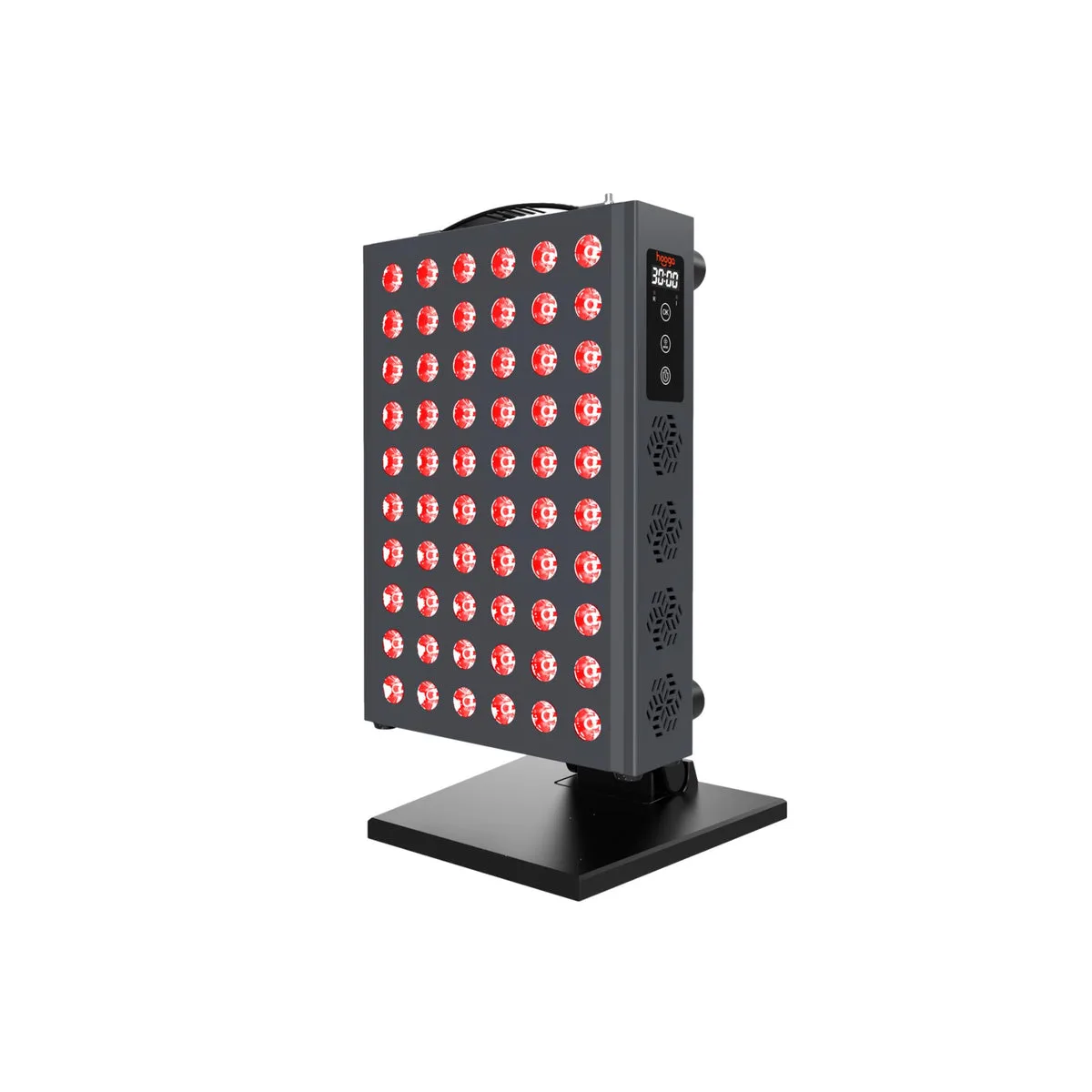
Start Here: What the Research Does and Doesn’t Support
This section will cost me some commission, and it belongs at the top anyway.
Red light therapy, the technical term is photobiomodulation, is a real field with a real literature. But the strength of that literature varies enormously depending on what you’re asking it to do:
- Reasonably well supported: skin appearance outcomes such as fine lines, texture and some acne measures. This is where the controlled trials are most consistent, and it’s also where LED devices have the longest clinical history.
- Mixed but promising: musculoskeletal pain and post-exercise recovery. There are positive trials, but sample sizes are frequently small, dosing protocols vary wildly between studies, and industry funding is common.
- Thin: sleep, energy, mood, cognitive performance, fat loss. These get heavy marketing emphasis and have the weakest supporting evidence in the consumer context.
On the mechanism: the standard explanation, that red and near-infrared photons are absorbed by cytochrome c oxidase in the mitochondria, boosting ATP production, is a genuine scientific hypothesis with supporting laboratory work. It is not settled, and a plausible mechanism is not the same thing as a demonstrated clinical benefit at the doses a home panel delivers.
On “FDA-cleared”: this phrase appears throughout the category and is widely misread. Low-risk general wellness devices are treated very differently from medical devices intended to treat a condition. Note that this store’s own site footer carries the standard disclaimer that its statements have not been evaluated by the FDA and its products are not intended to diagnose, treat, cure or prevent disease. Both things are on the same website. The disclaimer is the one that tells you the regulatory status.
What this means practically: if you’re buying a panel as a pleasant daily wellness habit with a plausible skin benefit, that’s a reasonable purchase. If you’re buying it to fix a specific medical problem, see a doctor first, and understand that you may be spending several hundred dollars on a maybe.
The 60-day return window matters more here than in any other category I’ve written about. Use it.
Quick Picks
| If you want… | Buy this | Price | Rating |
|---|---|---|---|
| To try it cheaply | HG24 Lamp | $45 | 5.0 (62) |
| The sensible first panel | PRO300 | $299 | 4.9 (133) |
| Best budget panel | HG300 | $199 | 4.9 (132) |
| Full-body coverage | HG1500 | $899 | 5.0 (21) |
| Full body, better LEDs | PRO1500 | $1,199 | 5.0 (22) |
| Face only | Red Light Therapy Face Mask | From $99 | 4.6 (38) |
| Targeted joint or back use | Red Light Therapy Belt | $249 | 4.9 (38) |
| Top-tier features | ULTRA360 | $399 | 4.8 (38) |
The Two Specs That Actually Matter
Panel marketing is full of numbers designed to sound impressive. Two of them determine what you’re actually getting.
1. Coverage area, this is what you’re paying for
Look at the price ladder and the pattern is unmistakable: $149 to $3,499 across the same wavelengths and the same warranty. What scales with price is how much of your body gets lit at once.
A small panel isn’t worse light. It’s less light, over a smaller area, meaning more sessions to cover the same ground. If you only care about your face and neck, a compact panel does everything a wall-sized one does. If you want your whole body treated in a single ten-minute session, you need the physical size, and there’s no way around paying for it.
Decide your coverage need before you look at any other spec. It eliminates most of the catalogue immediately.
2. Irradiance, power delivered at a given distance
Irradiance (usually mW/cm²) is the actual dose rate reaching your skin, and it falls off sharply with distance. A figure quoted at 3 inches is not comparable to one quoted at 12 inches, and brands have historically exploited this by publishing whichever number flatters them.
Two rules when comparing any two panels, from any brands:
- Only compare irradiance figures measured at the same distance. If a brand doesn’t state the distance, treat the number as meaningless.
- Prefer brands that publish third-party measured figures rather than theoretical LED output. Hooga states its panels are independently irradiance-tested, which is the right thing to claim, verify the actual published figures on the specific product page before you buy.
What matters less than the marketing suggests
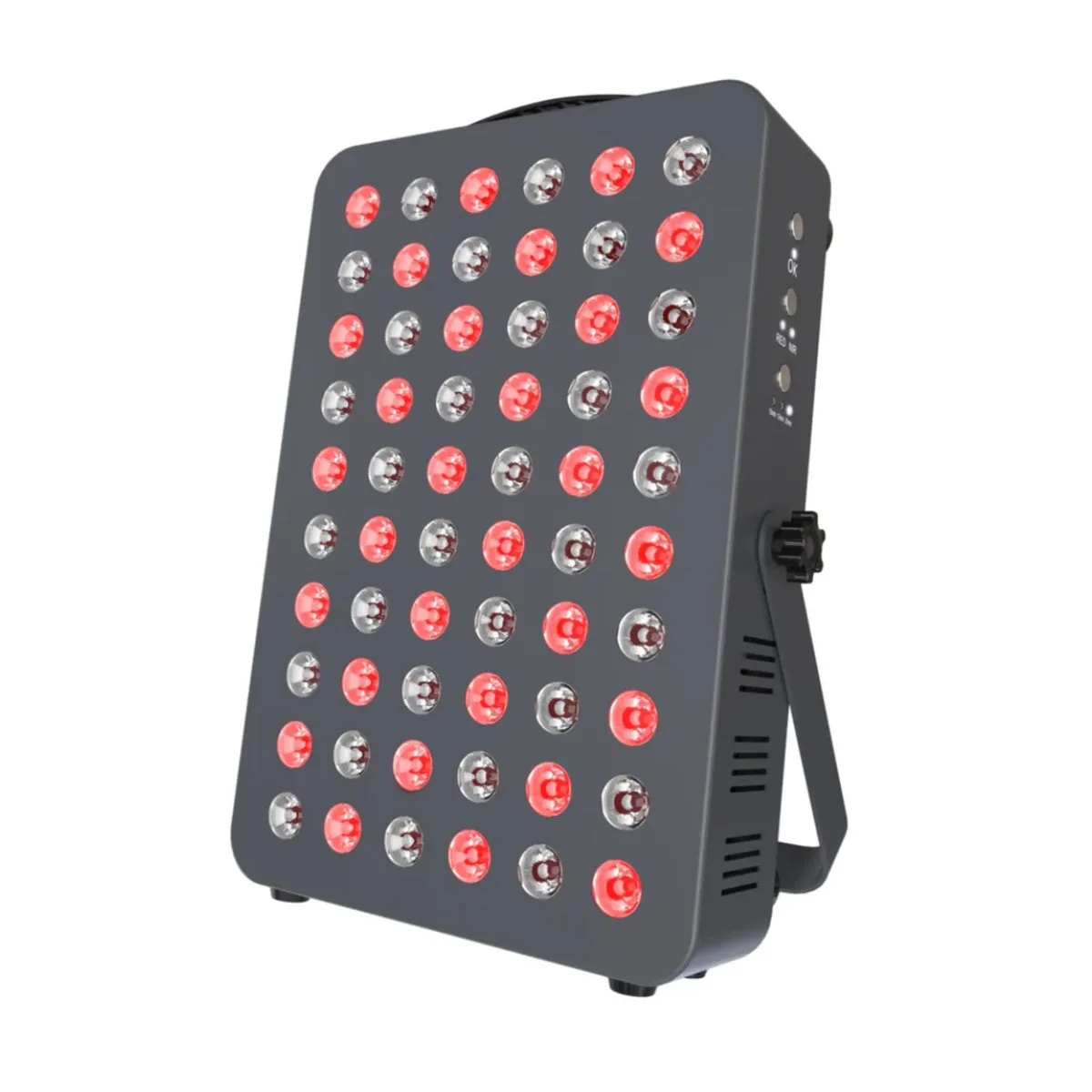
LED chip count (single, dual, quad) is a manufacturing detail, not a benefit in itself. It’s a route to higher irradiance and more wavelengths, judge the output, not the architecture.
Extra wavelengths (630nm and 810nm alongside 660nm and 850nm) are the ULTRA series’ main upgrade. The clinical evidence that four wavelengths outperform two in home use is not strong. It’s a reasonable thing to want; it isn’t a reason to stretch your budget.
Pulse mode is theoretically interesting and clinically unsettled. Nice to have, not worth paying for.
Flicker-free drivers are worth having and are standard across all three series here, so they aren’t a differentiator within this brand.
Compare the full panel range →
1. HG24 Lamp — $45
The honest first purchase.
Rated 5.0 across 62 reviews, and the cheapest way to find out whether you’ll actually use one of these daily. Because that’s the real question, not whether the technology works, but whether you’ll stand in front of a light for ten minutes every morning for three months.
Most people won’t. Forty-five dollars is a much better way to discover that than several hundred.
It’s a tabletop lamp for small targeted areas, a hand, an elbow, a patch of face. Nothing more. But if you’re still using it after a month, you have real information, and you can upgrade with confidence.
2. HG300 — $199, and PRO300 — $299
The two most-reviewed products in the range, and the decision most buyers actually face.
The HG300 at $199 (4.9 from 132 reviews) is the budget entry: single-chip LEDs, 660nm and 850nm, built-in timer, foldable stand included. The PRO300 at $299 (4.9 from 133 reviews) is the same size class with dual-chip LEDs for higher irradiance, meaning shorter sessions for the same delivered dose.
A hundred dollars separates them, and their review scores are identical. My read: take the HG300 unless session time genuinely matters to you. If shaving a few minutes off a daily routine is the difference between doing it and not doing it, the PRO300 earns its premium, but be honest with yourself about whether that’s true.
Both are sized for targeted work: face, neck, shoulders, a knee, a section of back. Neither is a full-body device, and no amount of standing further away makes one into one.
3. Full-Body Panels: HG1500 ($899) and PRO1500 ($1,199)
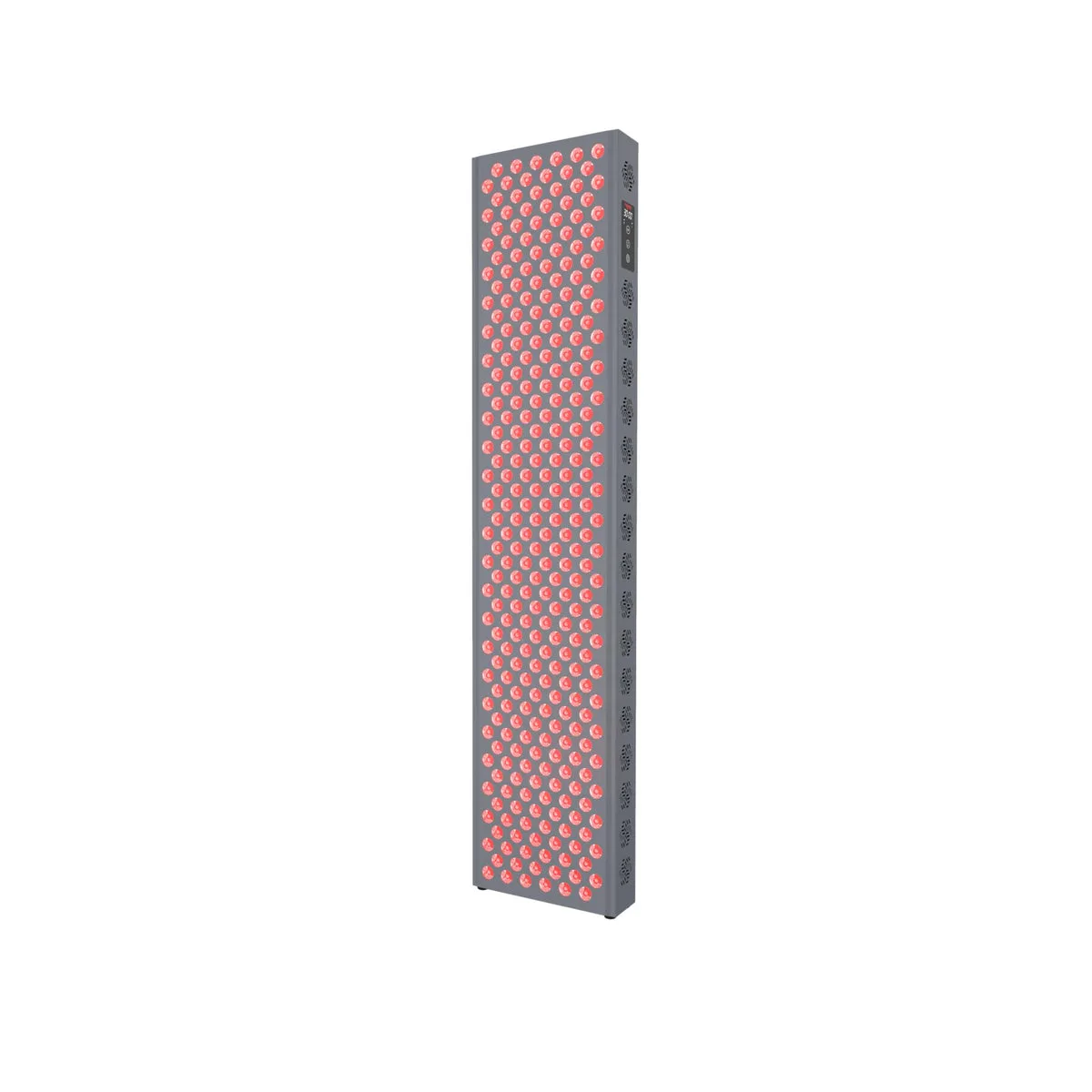
This is where the money starts. Both are rated 5.0, though on small review counts, 21 and 22 respectively, which is real feedback but not a large sample.
The case for full-body: if your interest is general recovery or whole-body skin, treating one region at a time turns a ten-minute habit into a forty-minute one, and forty-minute habits don’t survive contact with a normal week. Coverage is what makes daily use realistic.
The case against: this is $900 to $1,200 on a wellness device whose benefits for whole-body outcomes are the least well-evidenced part of the category. If you’re spending this much, spend it because you’ve already used a smaller panel consistently for months and know the habit sticks.
Practical note: these are large objects. They come with door-hanging kits, but a mobile stand is a separate purchase and most people end up wanting one. Factor it in.
The very top: PRO4500 ($3,099) and ULTRA4500 ($3,499)
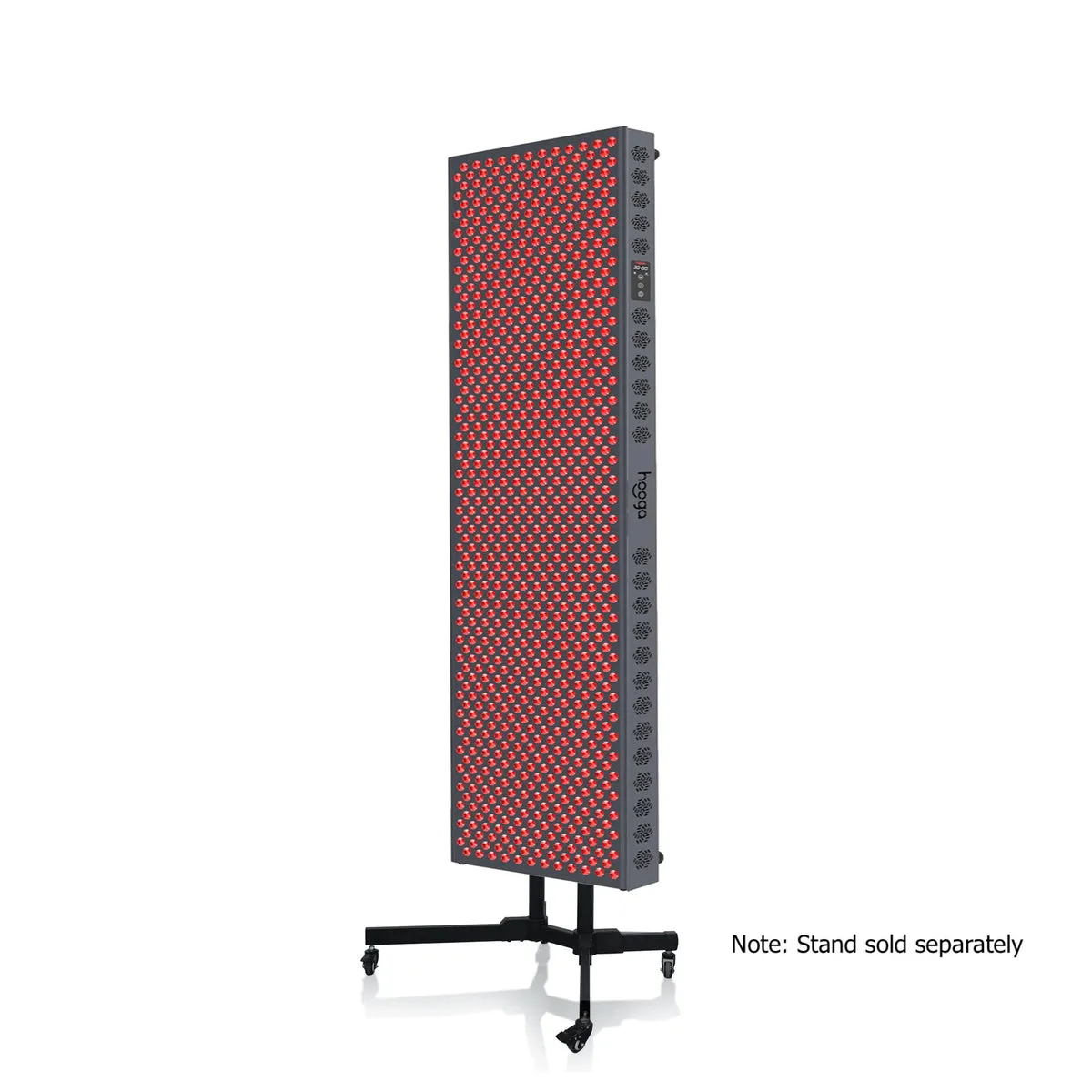
XL full-body panels with three and four reviews respectively. At this price you’re buying a permanent installation for a dedicated room, and the honest observation is that the review base is far too small to tell you much. If you’re spending $3,000+, the 60-day trial is doing very heavy lifting, plan to actually use it.
4. The ULTRA Series — $399 and up
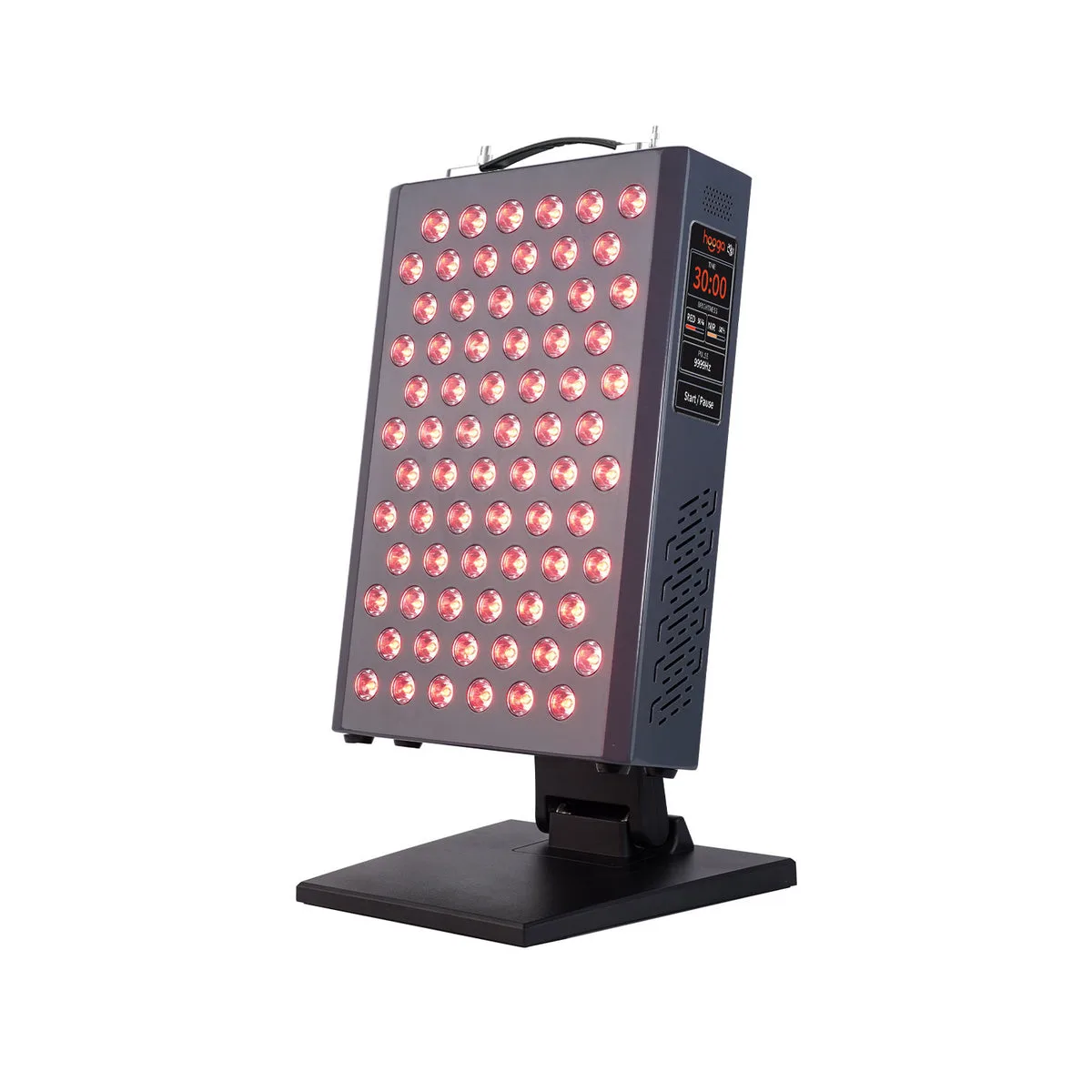
Quad-chip LEDs, four wavelengths, adjustable brightness, pulse mode and remote control. The ULTRA360 at $399 is rated 4.8 from 38 reviews.
Two of these features are practically useful. Adjustable brightness lets you dial intensity to comfort, which genuinely helps with facial sessions. Remote control is a small convenience that turns out to matter when you’re standing in front of the panel rather than reaching around it.
The extra wavelengths and pulse mode are the headline features and the ones with the weakest supporting evidence. If you want the ULTRA, want it for the controls.
5. Wearables and Targeted Devices
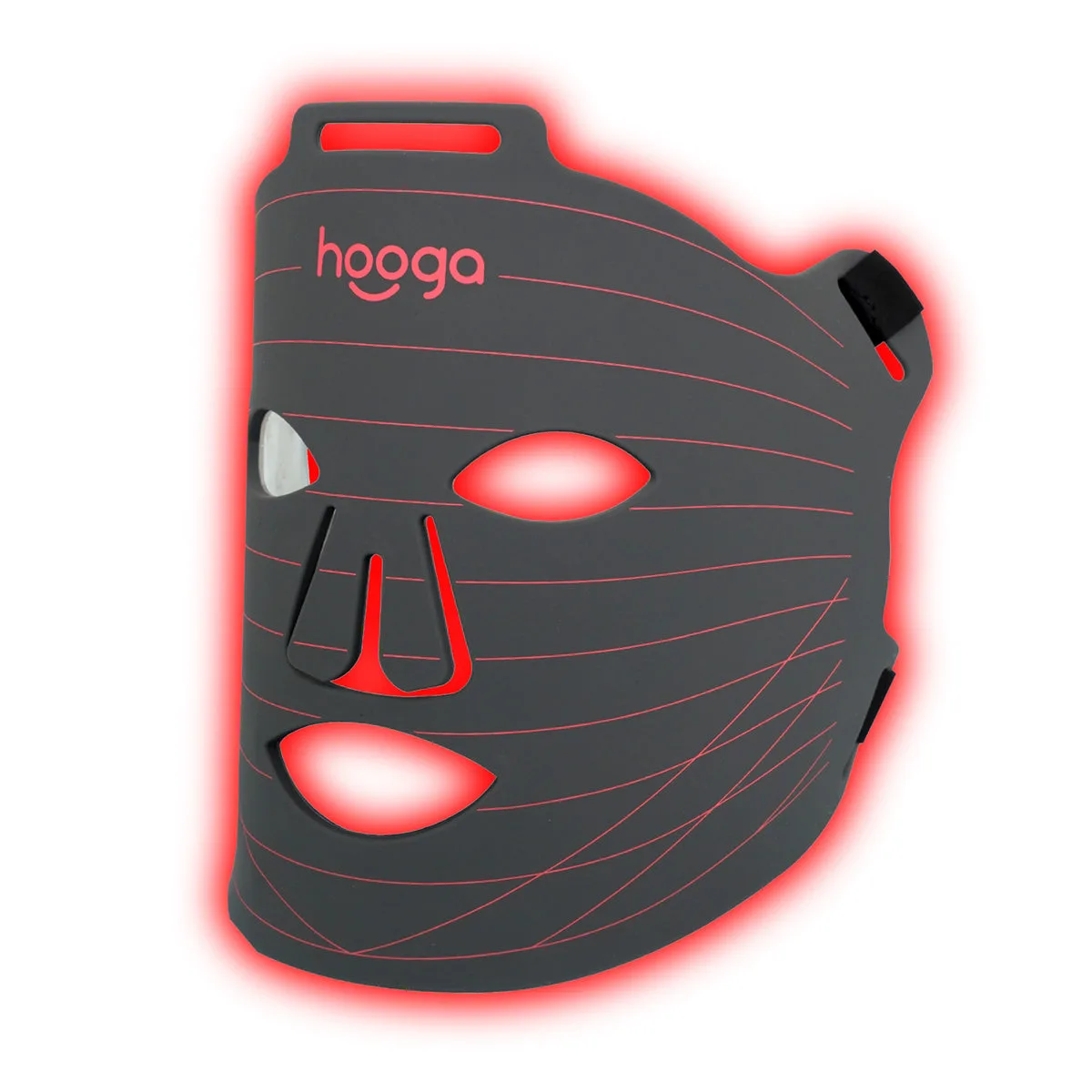
Red Light Therapy Face Mask, from $99, 4.6 from 38 reviews. The lowest rating among the well-reviewed products here, which is worth noting rather than glossing over. That said, skin is the application with the strongest evidence base, and a hands-free mask means you can do something else during the session, the single biggest predictor of whether a daily habit survives.
Red Light Therapy Belt, $249, 4.9 from 38 reviews. Rechargeable and wearable, for a back, a knee, a shoulder. The appeal is the same as the mask’s: it wraps and you carry on with your day. For anyone whose interest is a specific joint rather than general wellness, this is a more sensible purchase than a panel, you’re paying for the right form factor instead of coverage you won’t use.
Hooga Charge, $199, 4.8 from 20 reviews. A cordless wearable panel. Same logic, more flexible placement.
Facial Wand, $70, 4.5 from 17 reviews and Torch, $139, 4.6 from 12 reviews. Handheld precision devices. The lowest-rated items in the range, and the format is inherently fiddly, you have to hold them in place, which is exactly the kind of friction that ends routines.
Red Light Hat, $299 and Laser Helmet, $499. Marketed for scalp and hair routines. I’d flag this as the category to approach most carefully: hair loss is a genuine medical topic with genuine medical treatments, and the evidence for low-level light therapy here is contested. If hair is your concern, see a dermatologist before buying a $499 helmet.
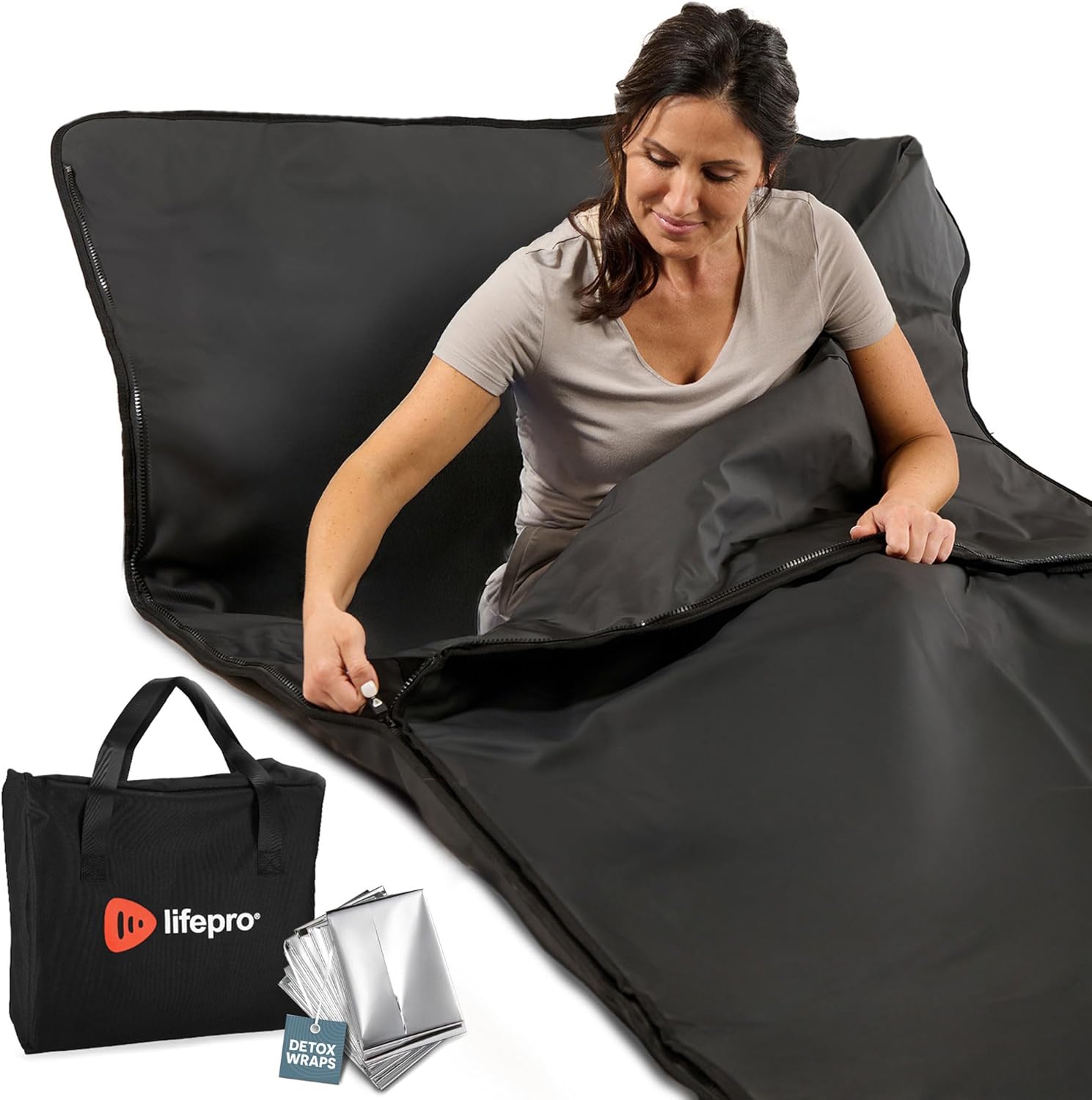
Acupressure Spike Mat, $199 and Full Body Blanket / Pod, $1,399. The blanket is an interesting alternative to a panel: you lie in it rather than standing in front of something, which some people will find far more sustainable.
What You Should Know Before Ordering
The review numbers don’t reconcile
The homepage advertises 4.9 from 790+ verified reviews. The panel collection page advertises 4.8 across 18,000+ reviews. Those are very different claims on the same website, and the individual product pages show counts in the tens, 133 for the most-reviewed panel.
I’d trust the per-product numbers, since those are attached to specific items. The aggregate figures are doing marketing work.
HSA/FSA eligibility is conditional
The site advertises HSA/FSA eligibility “through TrueMed,” and this is widely misunderstood. Services like this typically involve a questionnaire and a letter of medical necessity from a practitioner, it isn’t automatic, it depends on your circumstances, and your plan administrator makes the final call.
Don’t count on the tax advantage until you’ve confirmed it applies to you specifically. Check with your plan before you order, not after.
Use eye protection
Near-infrared light is invisible, which means your blink reflex doesn’t protect you from it. The brand sells eye protection and recommends it for all panel sessions, take that seriously rather than treating it as an upsell.
Some people shouldn’t use these without medical advice
Specifically: if you’re pregnant or nursing, taking photosensitizing medication (some antibiotics, retinoids, diuretics and others carry this effect), have a light-sensitive condition, or have a history of skin cancer or suspicious lesions. Ask a doctor first. This isn’t boilerplate, photosensitizing drugs are common and the interaction is real.
Results claims deserve scepticism
The site’s own FAQ says skin benefits typically appear within 2 to 4 weeks and deeper benefits build over 8 to 12 weeks. That’s a more measured framing than most of the category offers, and it’s also unfalsifiable in the way most wellness timelines are. Track something specific if you can, a photo, a pain score, so you have a basis for using the return window.
Grounding products are a different proposition
The store also sells grounding mats, sheets and blankets. The evidence base for grounding is substantially weaker than for photobiomodulation, resting on a small number of low-quality studies. I’ve deliberately left them out of this guide.
What’s genuinely good
- 60-day in-home trial with free returns on panels. In a category this uncertain, this is the most valuable thing on offer. It converts a gamble into a test.
- 3-year warranty on every panel, which is longer than most of the category.
- Published irradiance figures and a claim of independent testing, the right posture in a category where specs are routinely inflated.
- A genuine price ladder from $45 to $3,499, so you can start small and scale rather than committing blind.
- US-based support and warehouse in New Berlin, Wisconsin, with fast domestic shipping. Free US shipping over $99.
- Discounts for military, first responders, students and seniors, plus Affirm financing on larger purchases.
- Clearance and open-box sections, which are worth checking before paying full price.
Frequently Asked Questions
Does red light therapy actually work?
It depends entirely on what you’re asking it to do. The evidence is most consistent for skin appearance outcomes, mixed for musculoskeletal pain and exercise recovery, and thin for sleep, energy and fat loss. These are general wellness devices, not treatments for medical conditions, if you have a specific health problem, that’s a conversation with a doctor, not a purchase decision.
What size panel do I need?
Decide your coverage area first, because that’s what price scales with. Face and small targeted areas need only a compact panel. Whole-body sessions in one go need a large one, and there’s no substitute for physical size. Everything else, chip count, extra wavelengths, matters far less.
What is irradiance and why does it matter?
It’s the dose rate of light reaching your skin, usually in mW/cm², and it drops off steeply with distance. It matters because it determines session length. When comparing brands, only compare figures measured at the same distance, an unstated distance makes the number useless.
How long and how often should sessions be?
Typical manufacturer guidance is 5 to 15 minutes per area, most days of the week, following the instructions for your specific device and distance. Longer is not better, dosing in photobiomodulation is not linear, and more exposure doesn’t reliably mean more effect.
Are these covered by HSA or FSA?
Potentially, through a third-party service, but it isn’t automatic. It generally requires a letter of medical necessity and depends on your individual circumstances and plan administrator. Confirm with your plan before ordering rather than assuming.
Is red light therapy safe?
For most people, non-invasive light in these wavelengths is considered low-risk, and unlike UV it doesn’t carry the same skin-damage profile. But use eye protection, follow the device instructions, and check with a doctor first if you’re pregnant, taking photosensitizing medication, have a light-sensitive condition, or have any history of skin cancer.
The Verdict
Buy small first. The HG24 at $45 answers the only question that matters, will you actually use this, for less than the cost of dinner. If the answer is yes after a month, move up to the HG300 at $199 for targeted work, or a full-body panel if you’ve confirmed the habit holds.
The hardware here is well-priced and the guarantees are the strongest part of the offer. The thing to be careful about isn’t the brand, it’s the category’s marketing, which promises considerably more than the research currently delivers.
Strengths: 60-day in-home trial with free panel returns, 3-year warranty, published irradiance figures with independent testing claimed, a wide price ladder from $45 upward, US-based support and shipping, and financing plus group discounts.
Weaknesses: aggregate review figures that don’t reconcile between pages, small review counts on the expensive models, HSA/FSA eligibility that’s conditional rather than automatic, marketing that leans on the strongest possible reading of the evidence, and adjacent product lines with much weaker support.
Rating: 8/10 for the hardware and the purchase terms. Start at $45, use the trial period properly, and treat every claimed benefit beyond skin as unproven until you’ve tested it on yourself.
Shop red light therapy panels →
Prices, ratings and specifications reflect published listings as of June 2026 and are subject to change. This article is general information about consumer wellness hardware and is not medical advice. These products are not intended to diagnose, treat, cure or prevent any disease. Consult a qualified healthcare professional before beginning any new wellness practice, particularly if you are pregnant, nursing, taking medication, or have an existing medical condition. As an affiliate, I earn from qualifying purchases made through links on this page.





Write Your Review
No reviews yet. Be the first to share your experience!