

You’re crouched under a sink, trying to drive a screw into a corner your standard drill cannot reach. Or you’re installing shelving in a narrow cabinet, and the bulky head of your regular drill keeps jamming against the frame. These are the moments when a right angle drill becomes indispensable. Whether you need a full cordless unit or a simple attachment that transforms your existing impact driver, the right tool makes the difference between frustration and efficiency.
This guide compares 12 right angle drills and attachments across different price points and use cases. We focus on compact designs, cordless models with real torque, and flexible-shaft solutions for the tightest spots. You’ll find everything from budget-friendly adapters to professional-grade cordless units, all evaluated based on published specifications, customer feedback, and real-world applicability to confined-space work.
This guide is for general information only. Consult the manufacturer’s instructions and follow all safety precautions when operating power tools, especially in overhead or confined positions.


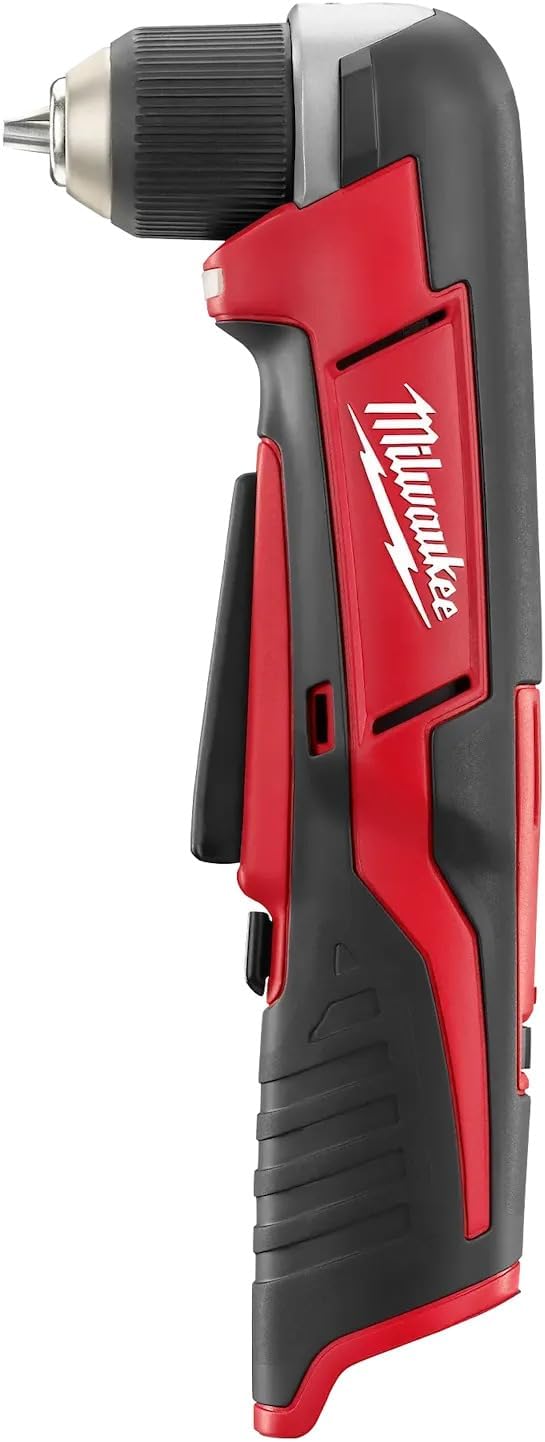


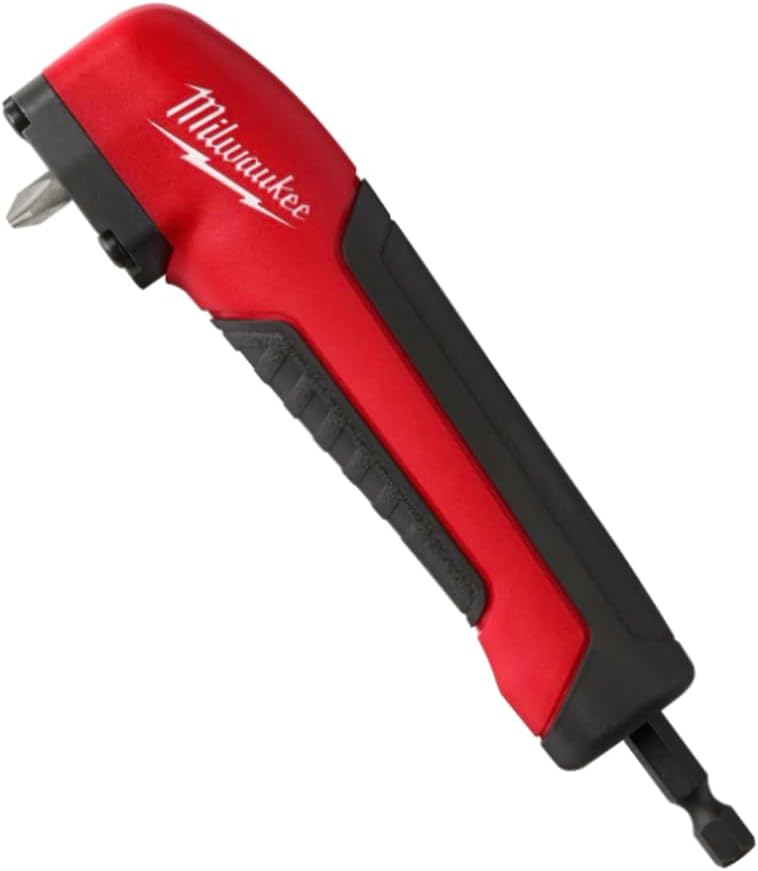


How We Picked
We evaluated these products using manufacturer specifications, published torque ratings, chuck sizes, and the aggregated feedback from hundreds of user reviews. Our selection prioritizes compact front-to-back depth, brushless motor efficiency where available, and genuine utility in confined spaces. Each product was assessed for its intended use case: whether as a standalone cordless drill, an adapter for existing impact drivers, or a flexible-shaft solution for extreme access challenges.
This is a research-based editorial assessment. We did not physically operate any product. Our recommendations reflect what the data and user experience patterns reveal about real-world performance in tight-space applications, not marketing claims alone.
Buying Guide: What Matters for Tight Spaces
Front-to-Back Depth
The most critical measurement for tight-space work is how far the drill head extends forward from the body. A 4-inch or 3.6-inch compact design fits into spaces where a standard 6 to 7-inch drill head becomes wedged. Look for models marketed as “compact” or with specific depth measurements in the product documentation. This single dimension often determines whether you can even access the fastener you need to reach.
Torque and Motor Type
Right angle drills for tight spaces often face resistance in awkward positions where you cannot apply full body leverage. Brushless motors deliver more consistent power, longer runtime, and better heat management than brushed alternatives. Seek models rated for at least 350 inch-pounds of torque if you plan to drive large fasteners or work in dense materials. Dual-speed transmission (low-speed high-torque and high-speed low-torque) adds versatility across wood, metal, and composite applications.
For attachment-only solutions, check whether the adapter is rated for impact drivers or standard drill drivers. Impact-rated attachments with hardened gears transfer more power and last longer under heavy use. You can explore more about power tool options in our guide to tools and equipment for home projects.
Chuck Type and Bit Retention
A 3/8-inch single-sleeve ratcheting chuck offers the best balance of grip strength and bit variety for most users. Magnetic bit retention is essential in tight spaces where you cannot easily reposition the drill to catch a falling bit. Strong rare-earth magnets ensure fasteners stay seated during one-handed operation, which is often necessary when your other hand guides the drill into a confined corner.
Cordless vs. Corded vs. Attachment
Standalone cordless right angle drills offer the most freedom and power but cost significantly more. Adapters that convert your existing impact driver or drill into a right angle tool cost much less and occupy no storage space. Flexible-shaft attachments reach around obstacles and into recessed holes standard adapters cannot access. Choose based on your existing tool ecosystem: if you already own a 20V DeWalt or Milwaukee system, a compatible attachment maximizes your investment.
Who Should Skip These
If you only drive fasteners in open, accessible areas and rarely encounter confined spaces, a right angle drill is unnecessary expense and storage clutter. Standard drills and impact drivers handle 95 percent of typical home and light commercial work. Right angle drills shine in specialized applications like cabinet assembly, under-sink plumbing work, HVAC installation, and automotive repairs. If your work never involves these scenarios, a traditional drill remains your best choice.
Final Thoughts
Right angle drills transform confined-space fastening from a wrestling match into straightforward work. For budget-conscious buyers seeking maximum compatibility with existing tools, DEWALT Impact Ready 1.5 in Right Angle Drill Attachment delivers compact performance and strong magnetism at an accessible price point. If you need a standalone cordless solution with genuine power and runtime, RYOBI ONE+ HP 18V Brushless Cordless Compact 3/8 in. Right Angle Drill offers brushless efficiency and fits into the tight spaces where standard drills fail, while leveraging the broad ONE+ battery ecosystem.
Frequently Asked Questions
What is the main advantage of a right angle drill over a standard drill?
A right angle drill’s 90-degree head design reduces the overall front-to-back depth, allowing access to confined spaces like cabinet corners, under-sink areas, and tight wall cavities. Standard drills cannot physically fit into these gaps, making a right angle tool the only practical solution.
Can I use a right angle attachment with my existing impact driver?
Yes, most right angle adapters are designed for 1/4-inch hex shank impact drivers and drill drivers. Check the product documentation to confirm compatibility with your specific tool. Adapters are significantly cheaper than buying a standalone cordless right angle drill and require no additional battery investment.
How much torque do I need for driving large fasteners in tight spaces?
For general fastening in wood and soft materials, 350 to 400 inch-pounds is adequate. Driving into steel or dense hardwood benefits from 450+ inch-pounds. Dual-speed transmissions let you prioritize torque at lower speeds, which is often necessary when you cannot apply full body leverage in confined positions. Always consult the fastener manufacturer and material recommendations for your specific application.
Are flexible-shaft right angle drills worth the extra cost?
Flexible-shaft models excel when you need to reach around obstacles or into recessed holes where a rigid right angle head cannot access. They cost slightly more but solve specific problems that standard right angle drills cannot. If your work involves computer towers, appliance interiors, or complex wiring situations, a flexible option becomes essential. For basic cabinet and plumbing work, a rigid right angle attachment is usually sufficient and more durable. Whichever you pick, pair it with proper extraction: see our roundup of dust collectors for small workshops.




Write Your Review
No reviews yet. Be the first to share your experience!