

When moisture seeps into your basement, it brings mold, musty odors, and structural damage along with it. A capable dehumidifier removes that excess humidity before it becomes a costly problem. Whether your basement is 2,000 square feet or 5,000, whether you need manual tank emptying or continuous drainage, the right unit transforms a damp space into a dry, healthy one.
This guide compares 12 dehumidifiers specifically suited to basement environments. We looked at moisture removal capacity, drainage flexibility, noise levels, energy efficiency, and the features that matter most for long-term basement use. Whether you’re dealing with seasonal dampness or year-round humidity, you’ll find a model that fits your space and budget.
Dehumidifiers are mechanical appliances that move moisture from air to water. This guide is for general information only and does not constitute product recommendations for any specific health or medical condition. Consult the manufacturer’s instructions and a qualified professional before installation or use, especially in basements with electrical or structural concerns.

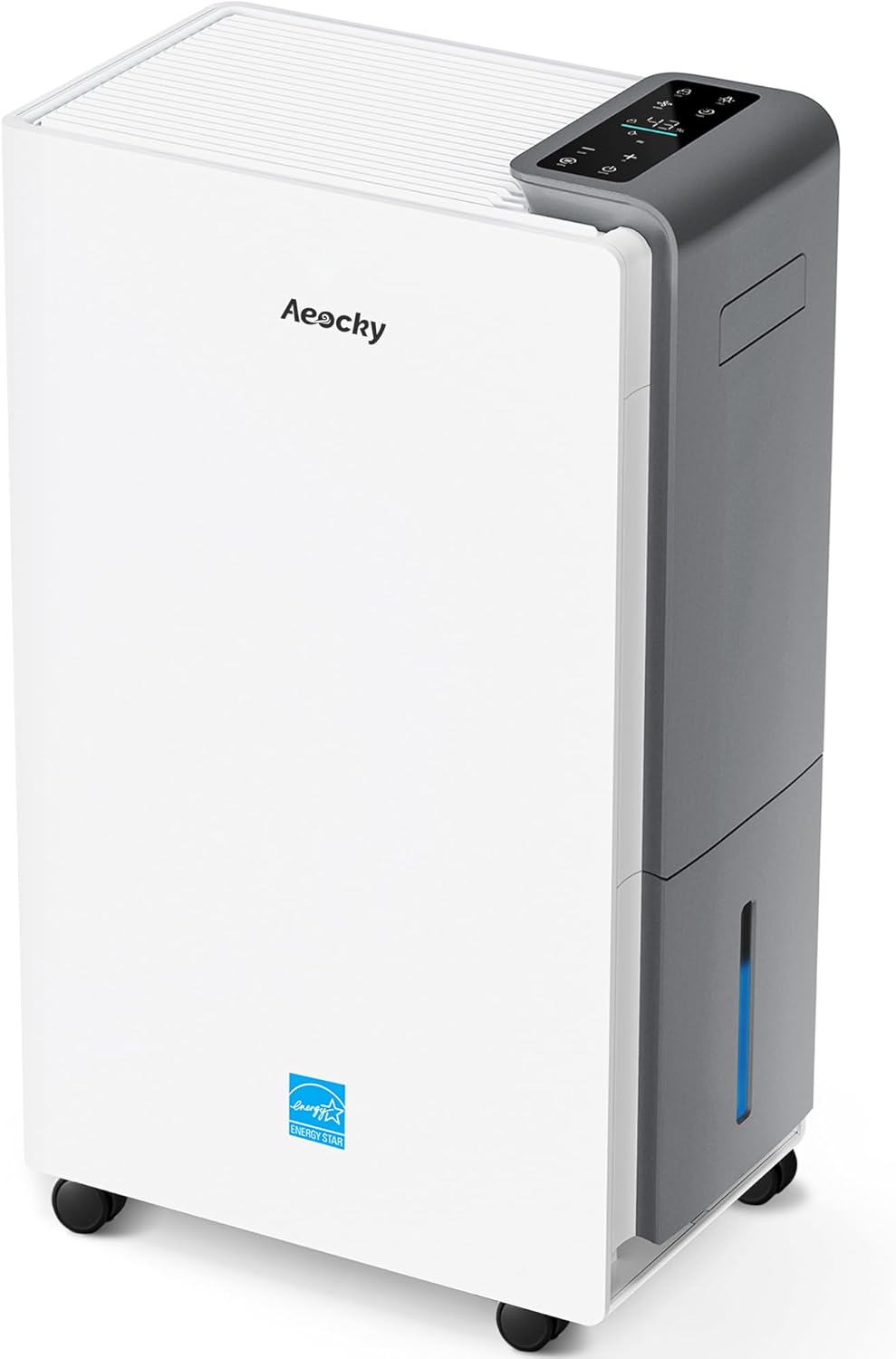


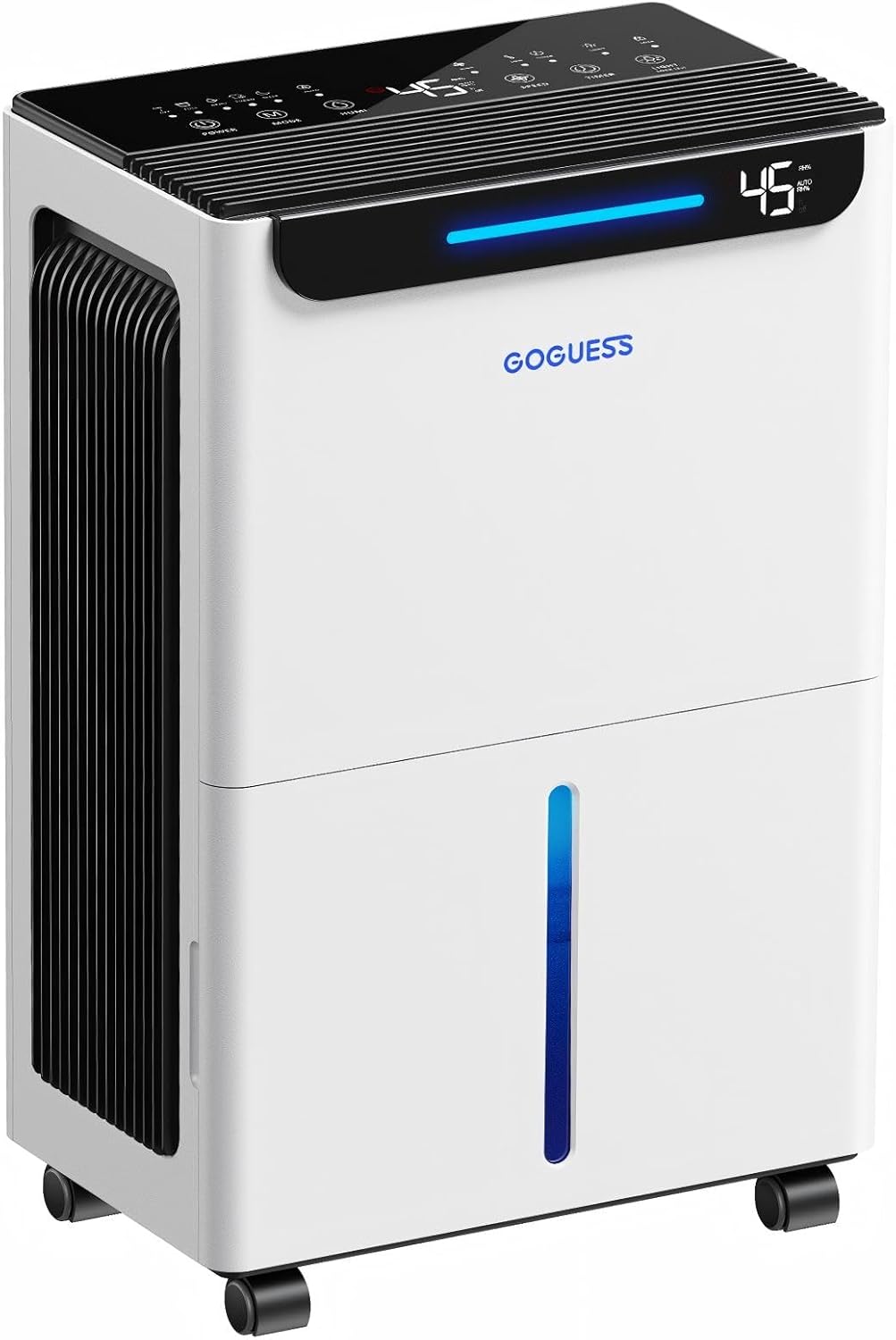


How We Picked These Dehumidifiers
We evaluated each unit based on published specifications from manufacturers, aggregated customer feedback, and comparative analysis of features across the entire list. Our focus was on real-world basement conditions: sustained humidity levels, the need for continuous drainage, noise during extended operation, and energy consumption over time. We assessed capacity ratings, control precision, defrost performance, and portability, but we did not physically handle or operate any of these products.
The ranking reflects which models best address common basement moisture challenges. A 4,500-square-foot unit with an 80-pint daily capacity serves larger basements differently than a compact 2,000-square-foot model, so we’ve included options across the spectrum. Energy Star certification, quiet operation, and multiple drainage methods all weighted into our assessment because basements often run dehumidifiers continuously.
What to Look for When Buying a Basement Dehumidifier
Moisture Removal Capacity and Room Size
Dehumidifier capacity is measured in pints per day (the amount of water it removes under standard conditions). A 2,500-square-foot basement typically needs 30 to 45 pints per day, while a 5,000-square-foot space demands 80 to 100 pints. The key is matching capacity to your square footage, not oversizing unnecessarily, which wastes energy and money.
Pay attention to how capacity is rated. Most manufacturers list peak performance at 95°F and 90% humidity, which is more humid than typical basements. Real-world conditions at 86°F and 80% humidity yield lower numbers, often 20 to 30% less. Check the product description for both figures so you know what to expect during normal basement operation.
Drainage Options and Continuous Operation
A water tank means manual emptying, sometimes multiple times daily in humid conditions. A drain hose connected to a floor drain or window allows the unit to run continuously without intervention. Many basement dehumidifiers offer both: a small internal tank for manual use and a hose connection for 24/7 operation. If your basement lacks a nearby drain, look for models with extended hose reach or the ability to connect a standard garden hose.
Continuous drainage is especially valuable if you’re away from home frequently or want to run the unit overnight. The auto-shutoff feature, which stops the unit when the tank is full, prevents water overflow but requires you to be present to empty it. For true hands-off basement protection, prioritize hose drainage.
Energy Efficiency and Operating Costs
Basements often run dehumidifiers for months at a time, sometimes year-round. An Energy Star certified unit uses 30 to 50% less electricity than a non-certified model, which translates to real savings over seasons of continuous use. Look for Energy Star Most Efficient certification, which represents the top 2.6% of all Energy Star models and signals exceptional efficiency without sacrificing power.
A unit that removes 80 pints per day while consuming minimal power costs far less to operate than one that achieves the same capacity through brute force. Check the estimated annual operating cost if the manufacturer provides it, and factor that into your decision. Other home climate control solutions may complement your dehumidifier strategy.
Noise, Defrost, and Long-Term Reliability
A basement dehumidifier running 8 to 12 hours daily becomes part of your home’s acoustic environment. Units rated at 40 to 42 dB operate quietly enough for sleep or work; anything above 50 dB becomes intrusive. Compressor-based models are generally quieter than older piston designs, and models with optimized airflow paths reduce fan noise.
Auto-defrost protection is essential in basements where cool temperatures can cause frost buildup on the coils, reducing efficiency. Smart sensors that detect frost and activate defrost cycles automatically prevent this problem. Durable components (copper tubing instead of aluminum, sealed PCBs, and reinforced compressors) extend unit lifespan well beyond three years of reliable basement service.
Who Should Skip These
If your basement moisture issue is caused by active water intrusion (water actively flowing in from foundation cracks or groundwater seepage), a dehumidifier alone will not solve it and may mask a serious structural problem. You need waterproofing, drainage repair, or professional assessment first. Similarly, if your basement is unfinished, unheated, and rarely used, the cost of a dehumidifier may not justify the benefit. Dehumidifiers work best in enclosed, climate-controlled spaces where humidity can be managed continuously.
Final Thoughts
A quality basement dehumidifier is one of the most effective investments in home health and structure protection. For large spaces with heavy moisture loads, the DrySmartLiveBetter 100 Pint Dehumidifier delivers ENERGY STAR Most Efficient 2024 performance with flexible drainage and intelligent humidity control. If you prefer a more compact, energy-efficient option for smaller basements or tight spaces, the AeockyDirect 45 Pint Dehumidifier combines industrial-grade components with whisper-quiet operation and 50% greater efficiency than standard competitors. Either choice will keep your basement dry, your air fresh, and your foundation protected for years to come.
Frequently Asked Questions
How often should I empty the water tank on a basement dehumidifier?
It depends on humidity levels and tank size. In a very damp basement during summer, a unit with a 1.5-gallon tank may fill every 8 to 12 hours. A 2.5-gallon tank extends that interval to 24 hours or more. The most practical solution is to use continuous drainage via a hose connected to a floor drain, which eliminates manual emptying entirely. Check the manufacturer’s instructions for your specific model’s tank capacity and expected fill time under typical basement conditions.
Can I use a dehumidifier in an unheated basement during winter?
Yes, but with a caveat. Unheated basements drop below 65°F in winter, which causes frost to form on the dehumidifier’s cooling coils. Most modern units include auto-defrost technology that detects frost and cycles the compressor to melt it, but this reduces efficiency. If your basement stays above 50°F and you have auto-defrost protection, continuous operation is safe. Below 50°F, consult the manufacturer’s specifications and consider running the unit only when temperatures are warmer or when you’re actively using the basement.
What humidity level should I set my basement dehumidifier to?
The ideal target is 30 to 50% relative humidity. Below 30%, the air becomes uncomfortably dry and may cause static electricity or material shrinkage. Above 60%, mold and dust mites thrive. Most dehumidifiers let you set a target humidity range, and the unit automatically maintains it by turning on and off as needed. Start at 45% and adjust based on how the space feels and whether you notice any mold or musty smells. Pairing a dehumidifier with an air purifier can further improve basement air quality in 2026.
How much does it cost to run a basement dehumidifier continuously?
An Energy Star certified dehumidifier running 24/7 for a full year adds a noticeable amount to an annual electricity bill, depending on local rates and the unit’s wattage. A non-certified unit of similar capacity may cost 30 to 50% more. Models rated as Energy Star Most Efficient 2024 or 2025 minimize that cost further. Calculate the exact figure by checking the unit’s wattage, your local electricity rate per kilowatt-hour, and multiplying: (Watts ÷ 1000) × 24 hours × 365 days × Rate per kWh.
Do I need a dehumidifier if I already have a sump pump?
A sump pump removes bulk water from the basement floor; a dehumidifier removes moisture from the air. They serve different purposes. A sump pump handles water intrusion and flooding, while a dehumidifier prevents the high humidity that causes mold, mildew, and structural damage even when there is no standing water. Most basements benefit from both: the sump pump handles emergencies, and the dehumidifier maintains a healthy environment during normal operation.


Write Your Review
No reviews yet. Be the first to share your experience!