

No amount of vacuuming keeps dander out of the air. It is light, it stays airborne for a long time, and it settles back onto every surface in the room. An air purifier is a filtration device: it pulls room air through a filter and returns it. This guide compares 7 purifiers on what that filtration consists of, how much floor area each one is rated for, and what running it costs in filters and noise.
We focused on models with HEPA filtration, pet-specific operational modes, real-time air quality sensors, and strong customer feedback from households with pets. Whether you need a compact unit or a heavy-duty system for large rooms, you’ll find options across different budgets and room sizes below. For more on maintaining healthy indoor air, explore our guide on humidifiers for dry skin in winter, which complements air purification in seasonal climates.
What this guide does and does not cover
This guide compares filtration hardware: filter type, rated floor area, CADR, noise, and filter cost. It does not make claims about allergy or asthma symptoms, and an air purifier is not a treatment for either. If pet allergies affect your daily life, that is a conversation for an allergist. This is general information only and is not medical advice.


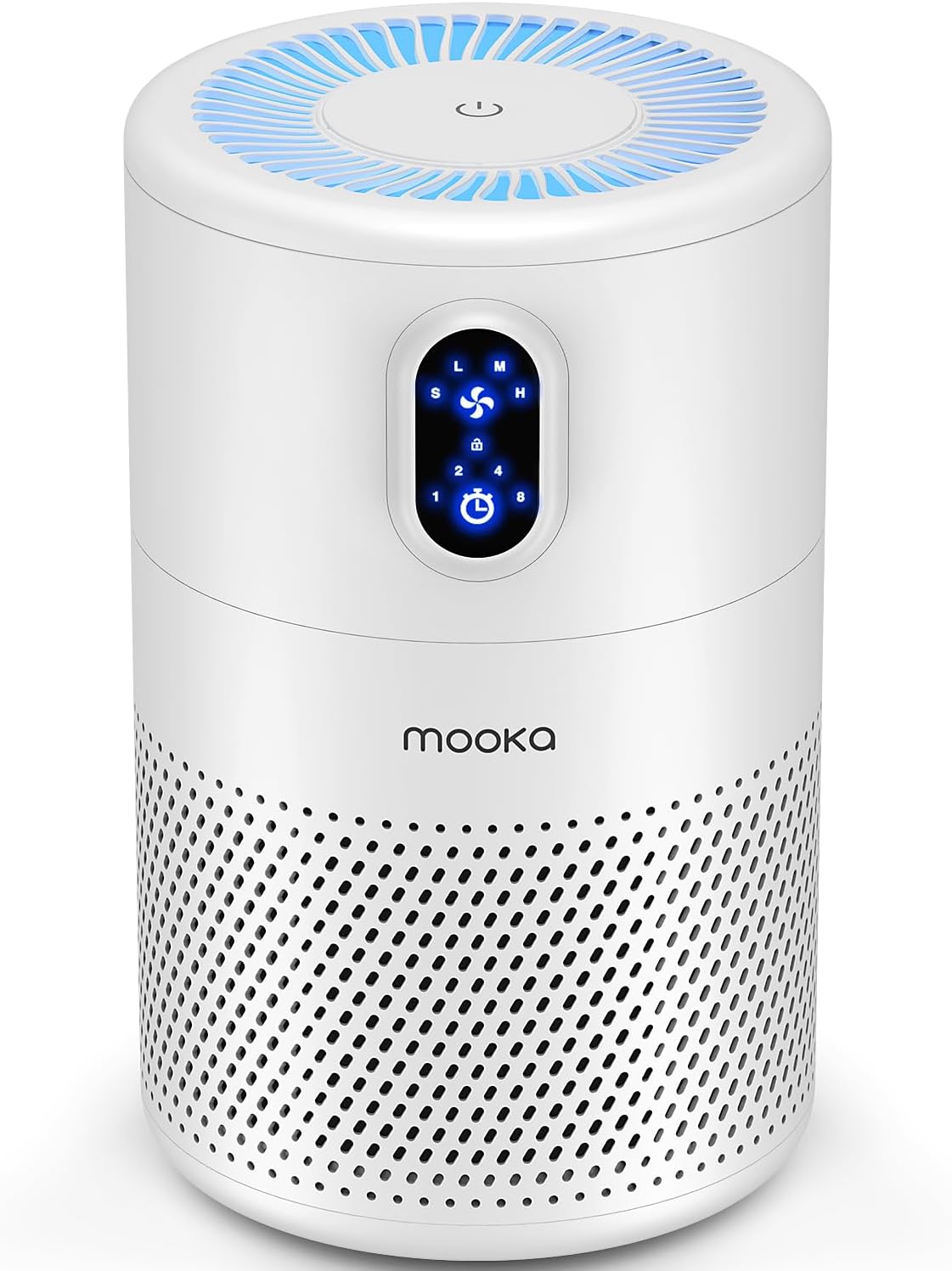


Pros
- Compact design fits any space while powering large rooms effectively
- Extremely quiet operation praised in reviews for nighttime use
- Auto and pet modes simplify use and target specific air issues
- Built-in aroma diffuser adds pleasant scents during purification
- Washable pre-filter reduces maintenance costs
Cons
- Filters require replacement every 3-6 months for peak performance
- Pet Mode is slightly louder than sleep mode
- Genuine replacement filters recommended for best results
How We Picked
We evaluated these 7 air purifiers based on published specifications, AHAM certification status, CADR ratings, filter design, and aggregated customer feedback from pet-owning households. Our selection prioritized models with dedicated pet modes, multi-stage filtration systems, and real-time air quality displays. Each product was assessed for its suitability to different room sizes and pet-related air quality challenges.
This is a research-based editorial review. We did not physically handle any product. Our rankings reflect manufacturer documentation, AHAM verified ratings where a model carries them, and patterns in customer experiences. We compared noise levels, filter replacement costs, energy efficiency, and special features like aroma diffusers or app controls that add practical value for pet owners.
What to Look for When Buying an Air Purifier for Pets
HEPA Filtration and Pet-Specific Modes
True HEPA filters capture 99.97% of particles as small as 0.3 microns, which includes pet dander and fine hair. Many top models now include a dedicated pet mode that increases fan speed to tackle odors and shedding more aggressively. This mode is especially useful during peak shedding seasons or in homes with multiple animals.
Activated carbon layers in the filter system address pet odors that HEPA alone cannot remove. Look for models that clearly specify dual or triple-stage filtration with both mechanical and chemical odor control.
Room Coverage and Air Changes Per Hour
Match the purifier’s coverage area to your room size. Coverage ratings are quoted at a stated number of air changes per hour, so two units rated for the same floor area can still differ in how fast they turn the air over. Check what air change rate the rating assumes. More air changes means fresh dander spends less time airborne. CADR ratings for smoke, dust, and pollen tell you how quickly the unit cleans the air under standard conditions.
Don’t buy a purifier that’s too small for your space. Undersized units run constantly at high speed, increasing noise and filter wear. Oversized units operate quietly and efficiently, extending filter life and reducing energy costs.
Noise Level and Operating Modes
Pet owners often run air purifiers 24/7, so noise matters. Sleep modes in the 20-30 dB range allow quiet operation at night without disturbing rest. Auto mode uses air quality sensors to adjust fan speed automatically, balancing performance with comfort. Many units offer 4 to 5 speed settings so you can dial in the right balance for your schedule.
Check whether the unit has a filter replacement indicator and how often filters need changing. Pet households typically replace filters every 3 to 6 months instead of the standard 6 to 12 months due to higher particulate load. Visit our article on robot vacuums for thick carpet and pet hair to complement your air purification strategy with floor cleaning.
Additional Features for Pet Households
Real-time AQI displays show you when air quality improves, motivating continued use and helping you spot when filters need replacement. Some units include an aroma diffuser pad. Leave it empty if you have cats. The ASPCA advises against running essential oil diffusers in homes with cats, because cats lack a liver enzyme needed to process compounds found in oils such as tea tree, eucalyptus, peppermint, citrus, and pine. Smart home integration via WiFi and app controls allows remote monitoring and scheduling, useful if you’re away during the day.
Washable pre-filters reduce filter replacement frequency and lower long-term costs. Some models include child locks and adjustable night lights, adding safety and convenience for homes with children and pets.
Who Should Skip These
Air purifiers alone cannot replace regular vacuuming, dusting, and pet grooming. If your home has severe pet odors that require professional cleaning or if you have untreated mold or moisture problems, an air purifier is a tool but not a complete solution. Renters in units with poor ventilation or landlord restrictions on electrical appliances may find air purifiers impractical. Additionally, if your pet allergies are severe enough to significantly impact daily life, consult an allergist or immunologist rather than relying solely on an air purifier to manage symptoms.
Final Thoughts
An air purifier handles the share of dander that is airborne at any given moment, which is why it works next to cleaning rather than instead of it. For large rooms, the KNKA Air Purifier for Home carries AHAM verified ratings and a dedicated pet mode, and is rated for the largest floor area in this group. For a bedroom or a smaller space, the AromaRoom Pet Air Purifier uses an H13 filter with an automatic mode driven by its own air quality sensor. Both sit among the better rated units here, and neither removes the need to vacuum, wash pet bedding, and groom.
Frequently Asked Questions
How often should I replace the filter in a pet air purifier? Pet households typically need to replace filters every 3 to 6 months, depending on the number and shedding level of your animals. Most models include a filter replacement indicator light that alerts you when the filter is saturated. Check your unit’s manual for the manufacturer’s recommendation, and inspect the filter visually if you notice reduced airflow or increased odors.
Can an air purifier eliminate pet odors completely? A quality purifier with activated carbon filtration will significantly reduce pet odors, but it works best alongside regular cleaning. Wash pet bedding weekly, vacuum frequently, and groom your pet regularly to minimize airborne dander and odor sources. Air purifiers remove what’s already in the air; they don’t prevent new particles from entering the air stream.
What size air purifier do I need for a pet household? Choose a unit rated for a room size equal to or larger than your actual space. For a 400 sq ft living room, select a purifier rated for at least 400 to 500 sq ft. Larger units operate more quietly and efficiently, which matters if you’re running the purifier continuously. Check the CADR ratings on the product page to compare cleaning speed across different models.
Are AHAM-certified air purifiers worth the extra cost? AHAM certification means the unit has been independently tested for air cleaning performance and energy efficiency, so you know the advertised CADR ratings are accurate. For pet owners investing in a purifier they’ll use daily for years, AHAM certification provides confidence that the product delivers on its promises. Many of the better known models carry this seal, which makes it easier to compare performance across brands.
For additional climate control insights, explore our home climate category for reviews of humidifiers, thermostats, and other air quality solutions.


Write Your Review
No reviews yet. Be the first to share your experience!