

You’re standing in your garage or basement, staring at a shelf that needs hanging or a deck that needs repairs. A cordless drill sits at the top of your tool wish list, but you’re not ready to spend hundreds on a professional-grade model. The good news: you don’t have to. Modern budget cordless drills deliver surprising capability for light construction, home repairs, and DIY projects, and many come bundled with batteries, chargers, and bit sets that save you money upfront.
This guide compares 12 affordable cordless drills from trusted brands including DEWALT, BLACK+DECKER, FADAKWALT, DEKOPRO, and PULITUO. We’ll walk you through the features that matter most, help you understand torque and speed settings, and show you which models work best for different types of work.
This guide is for general information only. Always follow the manufacturer’s safety instructions and wear appropriate protective equipment when operating power tools.


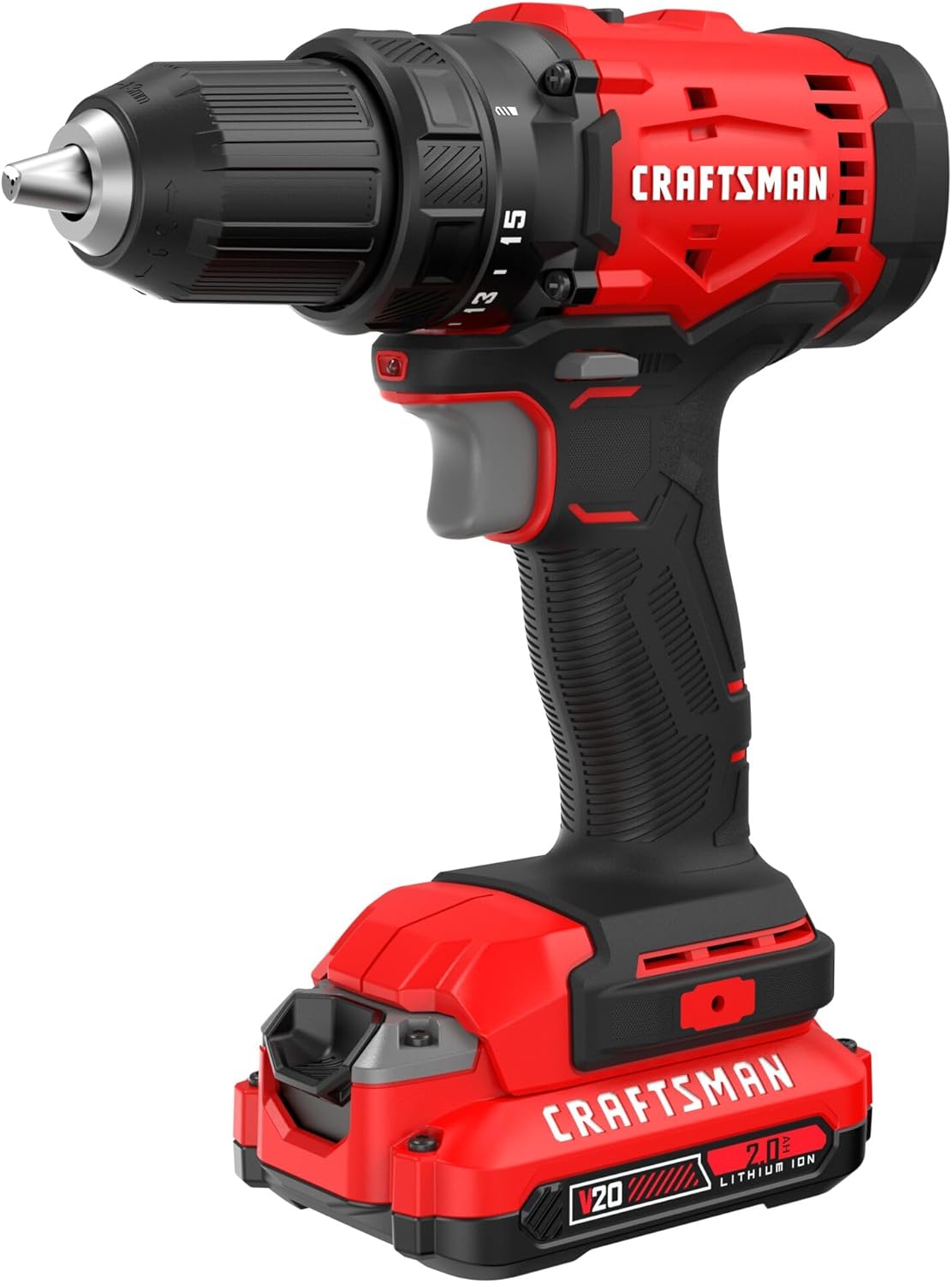
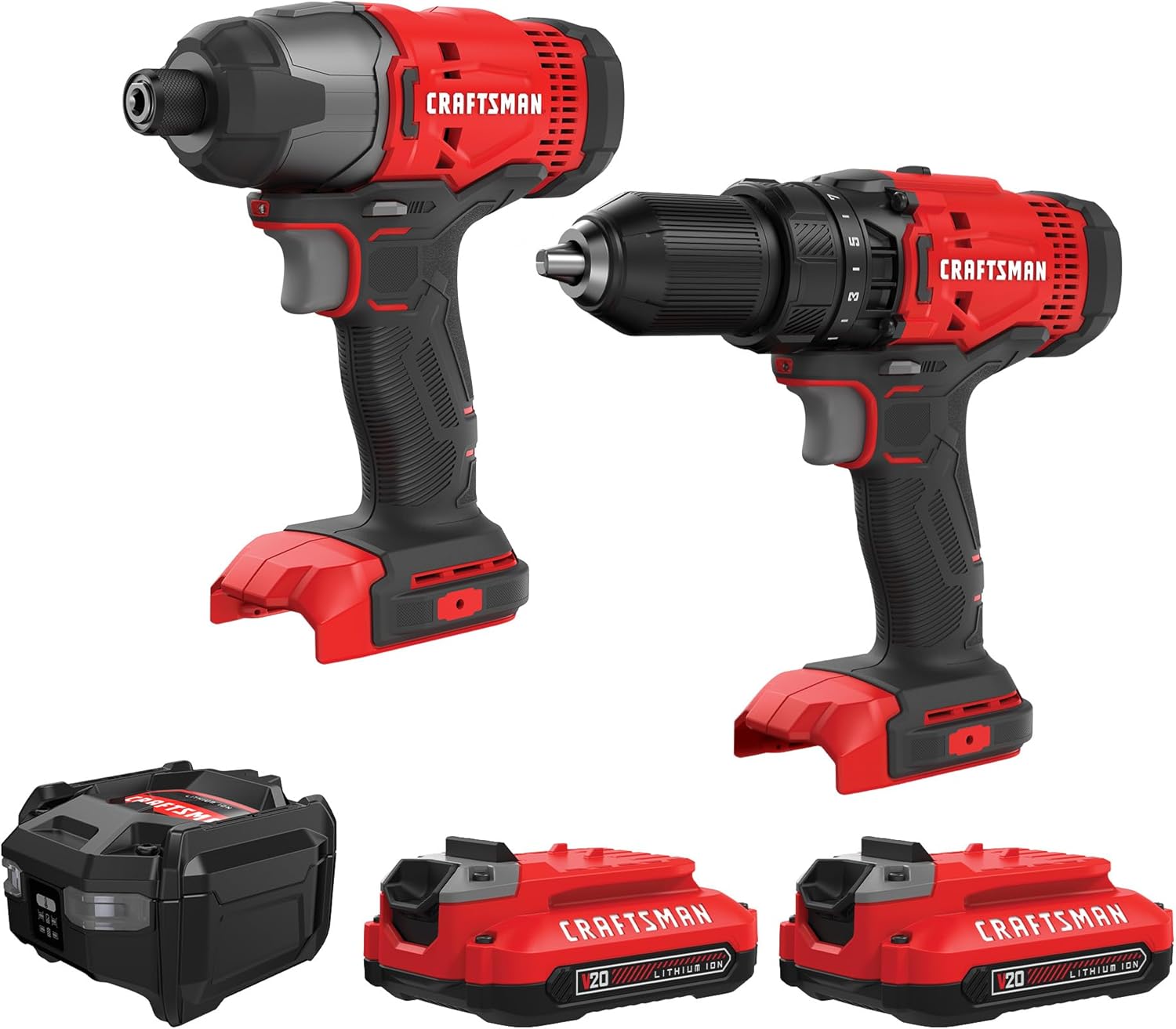


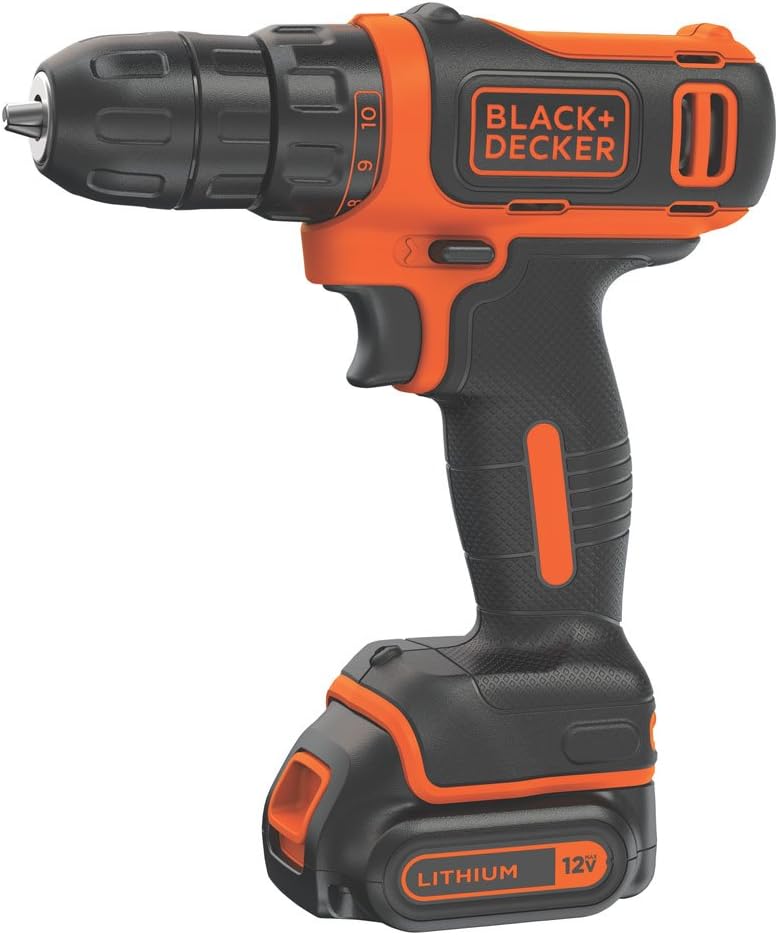


How We Picked These Models
We evaluated these 12 cordless drills based on published specifications, manufacturer documentation, and aggregated customer feedback. Our assessment focused on motor power, battery capacity, torque settings, chuck size, weight, and what accessories come in the box. We ranked them by overall value, considering both capability and what you actually receive for your investment.
This is a research-based editorial comparison. No product was physically handled by our team. We assessed each model on its documented features, customer ratings, and suitability for the tasks most homeowners and DIY enthusiasts actually perform.
What to Look for When Buying a Budget Cordless Drill
Voltage and Motor Power
Budget drills typically range from 12V to 20V. A 20V motor delivers noticeably more torque and sustained power for tougher jobs, while 12V models work fine for light fastening and small holes in wood or drywall. If you plan to drill into metal or do occasional masonry work, aim for 20V. The motor’s wattage output (measured in unit watts out, or UWO) tells you how much sustained power the drill can deliver without overheating.
Torque and Speed Settings
Torque, measured in inch-pounds (in-lbs) or Newton-meters (N.m), determines how hard the drill can twist. Look for models with adjustable torque settings (usually labeled as 18+1, 21+1, or similar) so you can prevent stripping screws or damaging delicate materials. Two-speed transmission (low and high RPM options) gives you flexibility: low speed for driving heavy fasteners, high speed for drilling pilot holes quickly.
Battery and Charger Quality
A budget drill kit should include at least one battery and a charger. Lithium-ion batteries hold their charge longer and perform better in cold weather than older nickel-cadmium types. Two batteries in the box means you can charge one while using the other, minimizing downtime. Check the amp-hour rating (Ah): higher numbers like 1.5Ah or 2.0Ah deliver longer runtime than 1.3Ah batteries.
Chuck Type and Accessories
A 3/8-inch keyless chuck is standard on budget models and handles most common bits. A 1/2-inch chuck grips larger bits more securely for heavy drilling. The best budget kits include 20 to 100 pieces: drill bits for wood and metal, screwdriver bits in various sizes, and extension bars or flexible shafts for tight spaces. These accessories alone can cost as much as a standalone drill, so a well-stocked kit represents real savings.
Who Should Skip These
Budget cordless drills are not designed for daily professional use, concrete drilling, or sustained heavy-duty applications. If you’re a contractor running a job site for eight hours a day, you’ll burn through batteries and risk overheating a budget motor. Similarly, if you need to drill repeatedly into concrete or masonry, a dedicated rotary hammer or SDS drill is a far better investment than pushing a budget drill beyond its limits.
Final Thoughts
A budget cordless drill is one of the smartest first tool purchases you can make for home projects. The 12 models above span a wide range of power levels and price points, so you can find one that matches your actual needs rather than overspending for features you’ll never use. For most homeowners tackling light construction and repairs, the DEWALT 20V MAX Cordless Drill and Impact Driver Combo Kit offers exceptional versatility, while the FADAKWALT Cordless Drill Set delivers solid capability at an entry-level investment.
Frequently Asked Questions
What is the difference between a drill and an impact driver? A drill rotates smoothly and is best for boring holes and driving fasteners into wood, plastic, and light metal. An impact driver combines rotation with rapid pulses of force, making it superior for driving large fasteners and removing stuck bolts. Many budget combo kits include both tools to cover more tasks.
Can I use a budget cordless drill for drywall and light framing? Yes. A 20V drill with 180 to 300 in-lbs of torque handles drywall screws, stud fastening, and light framing work without issue. You’ll want two batteries so you can swap them as needed, since framing work consumes battery charge quickly.
How long does a cordless drill battery last? Runtime depends on the battery’s amp-hour rating and the task. A 1.5Ah battery typically runs 30 to 45 minutes of continuous drilling or driving before needing a charge. Chargers vary: some take two hours, while fast chargers can restore a battery in 30 minutes. Check the product documentation for your specific model’s charging time.
Is a budget cordless drill good enough for woodworking? For basic woodworking like building shelves, cutting boards, or simple furniture, a budget drill works well. For precision joinery or cabinetry, you may want a drill press or a professional-grade drill with better speed control and lower runout, but that’s beyond the scope of budget models.



Write Your Review
No reviews yet. Be the first to share your experience!