

A large bedroom loses moisture quickly, especially during winter months or in dry climates. You need a humidifier that covers the full square footage without creating visible mist on walls and furniture. Evaporative models work differently from ultrasonic humidifiers: they use natural water evaporation to add moisture invisibly, which means no white dust, no damp surfaces, and safer air for everyone in the room.
This guide reviews 12 of the best evaporative humidifiers designed specifically for large bedrooms. We evaluated tank capacity, coverage area, noise levels, filter durability, and smart features to help you find the right fit for your space. Whether you need a compact unit for a 300 sq ft room or a whole-house system covering 3000 sq ft, these options span all major brands and price points.
This guide is for general information only. Consult the manufacturer’s instructions and a qualified professional if you have respiratory conditions or concerns about indoor air quality.

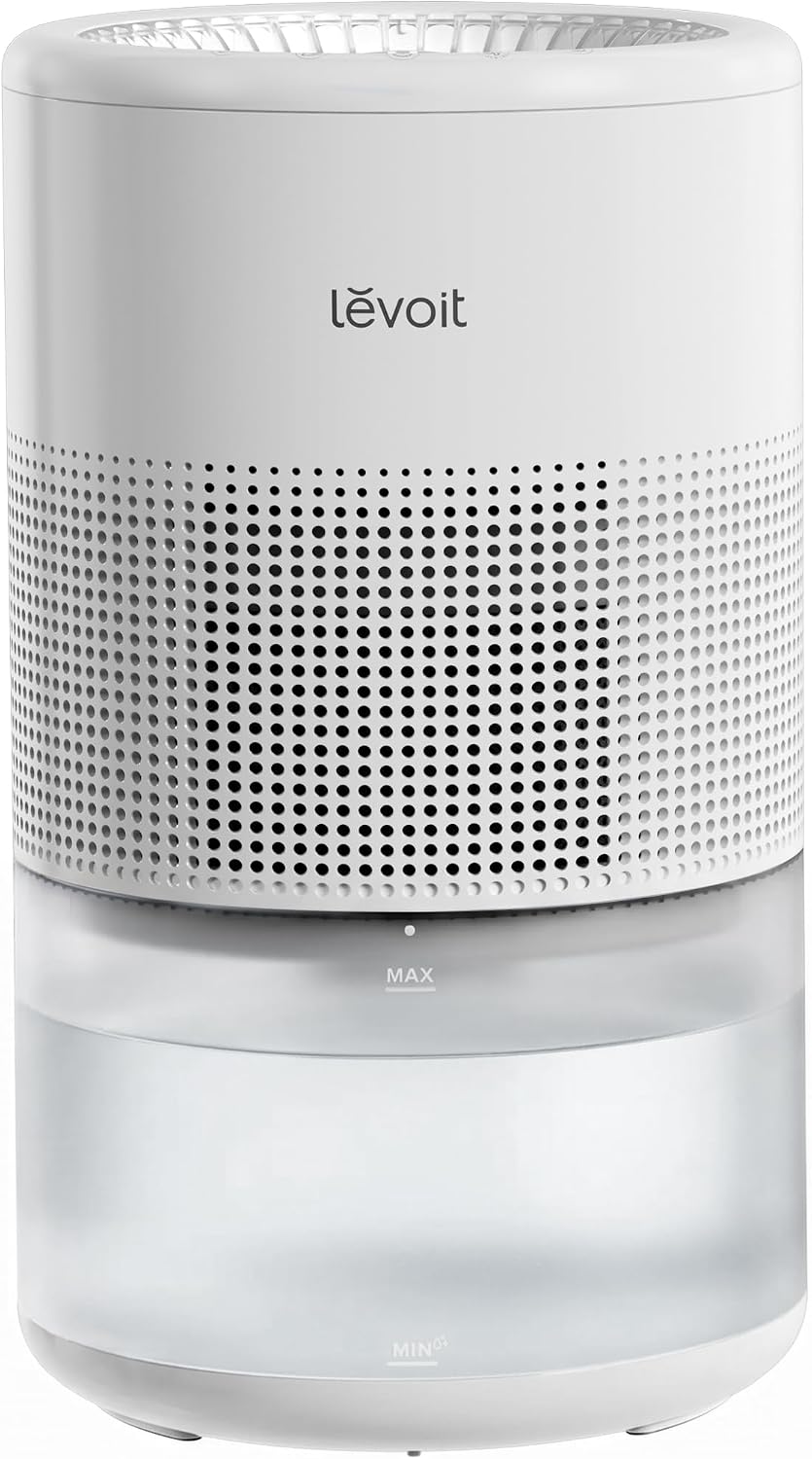
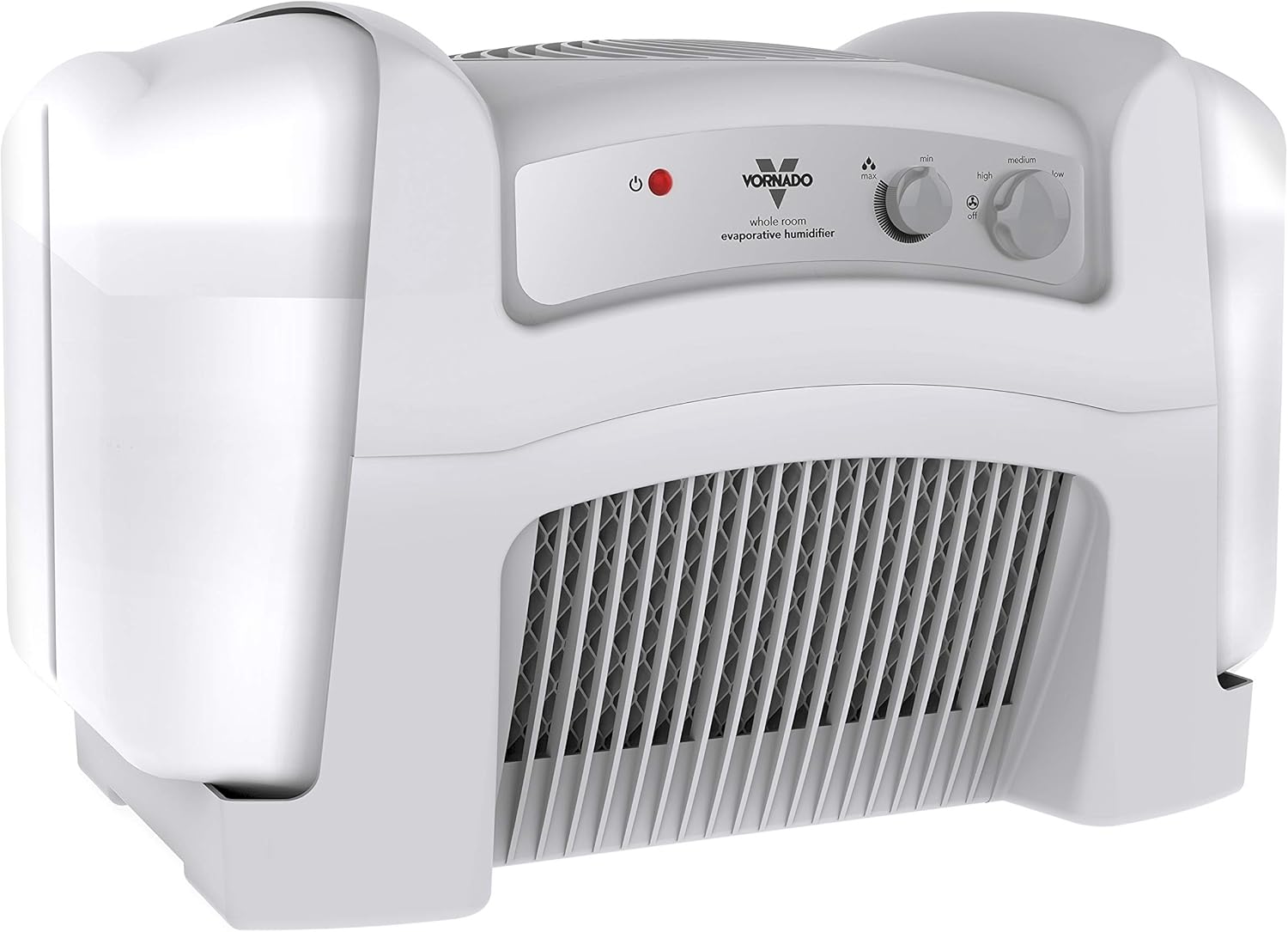


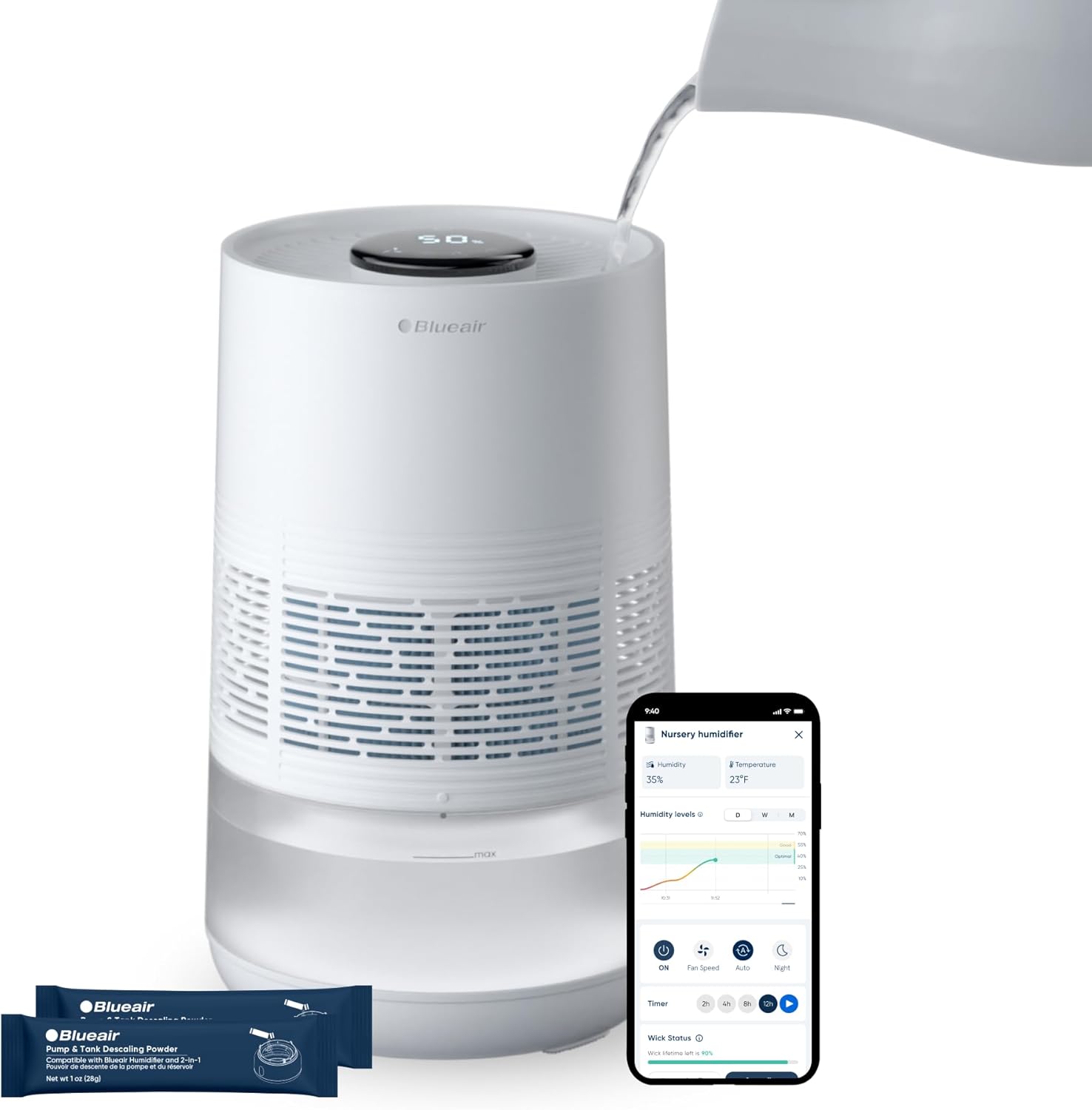


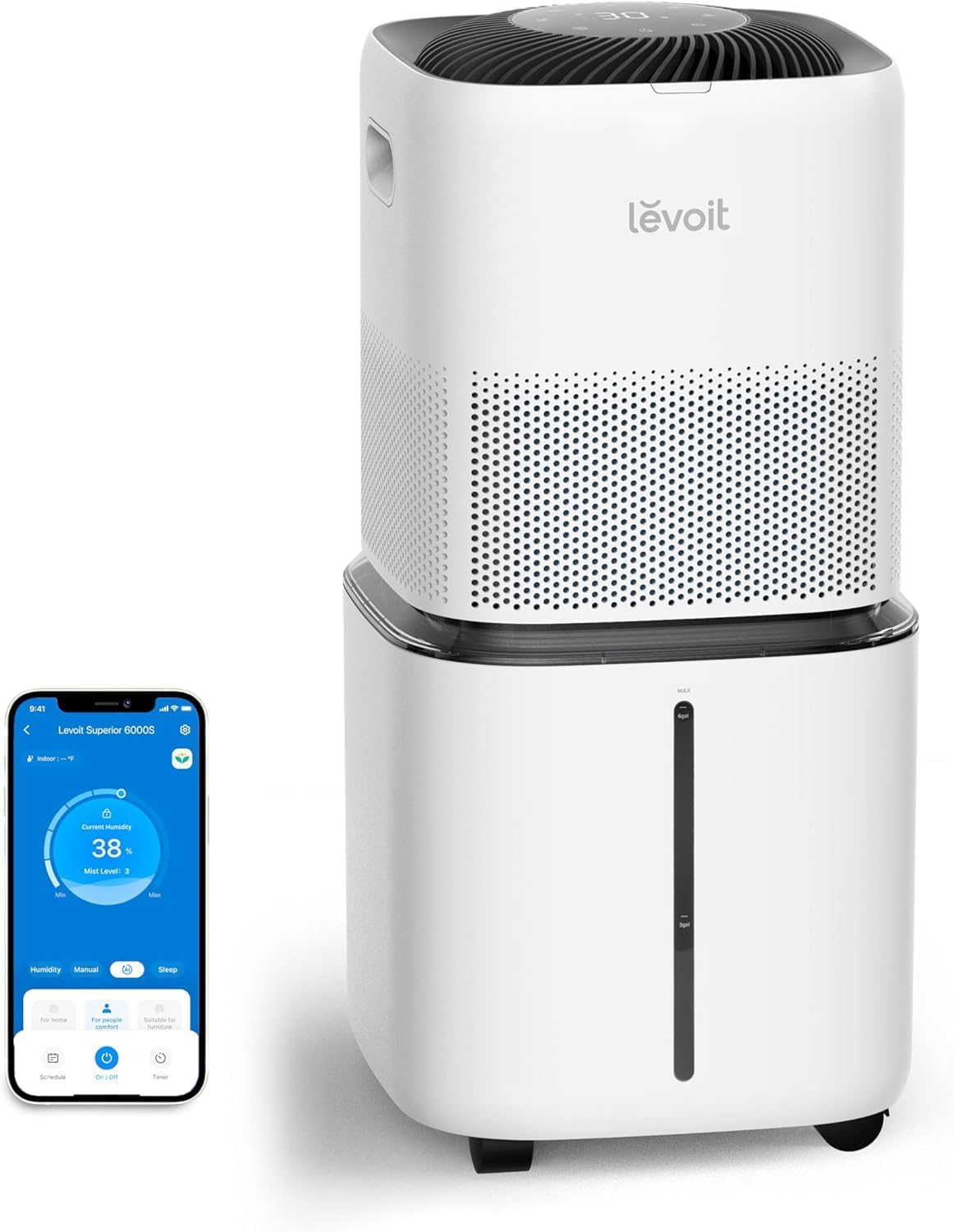
How We Picked These Models
We reviewed published specifications, manufacturer documentation, and aggregated customer feedback for each product listed above. Our ranking prioritizes tank capacity, square footage coverage, noise output, filter longevity, and the presence of smart features like humidity sensors and app control. Every model in this guide uses evaporative technology, meaning none produces visible mist or white mineral dust.
This is a research-based editorial assessment. We did not physically handle any product. Our evaluation reflects real-world performance data and user experiences reported across multiple sources. We focused on models that serve large bedrooms specifically, excluding compact units under 300 sq ft coverage and prioritizing those with run times exceeding 24 hours on a single tank fill.
What to Look for When Buying
Tank Size and Runtime
Large bedrooms benefit from tanks holding at least 4 to 6 gallons. A bigger tank means fewer refills and longer uninterrupted operation, especially important at night when you want continuous humidity without waking up to refill. Look for models promising 24+ hours of runtime on a single fill; the best units deliver 40 to 72 hours depending on fan speed and room conditions.
Output capacity matters too. Measured in milliliters per hour, a unit delivering 400 to 800 ml/h will humidify a large space faster than lower-output models. Higher output is especially valuable in very dry climates or during heating season when indoor air becomes extremely arid.
Coverage Area and Noise Level
Check the manufacturer’s stated coverage in square feet. For a large bedroom, aim for units rated to 600 sq ft or higher. Many models claim coverage up to 1000 sq ft or more, which gives you flexibility if you later want to use the humidifier in a living room or office. Coverage also depends on room layout, ceiling height, and whether doors are open or closed.
Noise is critical in a bedroom. Evaporative humidifiers tend to be quieter than ultrasonic models because they don’t vibrate water. Look for units operating below 25 dB in sleep mode. Many modern models include a dedicated quiet or night mode that reduces fan speed, making them suitable for light sleepers. Check whether the unit has an adjustable fan or multiple speed settings so you can dial down noise when you need it most.
Filter Type and Maintenance
Evaporative humidifiers rely on a wick or filter that absorbs water and allows air to pass through it. Some filters are disposable and need replacement every 1 to 3 months, while others are washable and reusable for 6 to 12 months. Washable filters reduce long-term cost and environmental impact, but they require more frequent manual cleaning. Look for models with self-cleaning cycles or auto-dry functions that keep the filter dry after use, preventing mold and extending filter life.
Tap water compatibility is another factor. Some units require distilled water to prevent mineral buildup, while others handle tap water with a built-in scale inhibitor or mineral cartridge. Tap water-friendly models are more convenient for large bedrooms because refilling from the tap takes seconds. Check the home climate category for additional guidance on air quality devices that complement humidifiers.
Smart Features and Control Options
Modern evaporative humidifiers increasingly include humidity sensors that automatically turn the unit on and off to maintain your target humidity level. This prevents over-humidification, which can encourage mold growth. Some models offer app control via smartphone, voice commands through Alexa or Google Home, and scheduling features so the humidifier runs only during certain hours.
A built-in hygrometer (humidity sensor) displays the current moisture level in your room, helping you understand whether the air is too dry or approaching saturation. Timer functions let you set the unit to run for 1 to 12 hours, useful if you want humidification only during sleep hours. These conveniences add cost but make the device more practical for busy households.
Who Should Skip These
If your bedroom is already well-humidified or you live in a naturally humid climate, adding an evaporative humidifier may push indoor humidity above 60 percent, creating conditions for dust mites and mold growth. Evaporative models are also not ideal if you have very hard water and cannot access distilled water, since mineral deposits will accumulate on the filter and require frequent cleaning. Finally, if you need rapid humidity boost in a very large open floor plan (over 2000 sq ft) without multiple units, a commercial whole-house system connected to your HVAC ductwork would be more effective than a portable humidifier.
Final Thoughts
Evaporative humidifiers excel at adding moisture to large bedrooms without the white dust and surface dampness of ultrasonic models. For most users, a unit with a 4 to 6 gallon tank, coverage above 600 sq ft, and a built-in humidity sensor offers the best balance of performance and convenience. If you want a premium whole-house option with extended runtime, the LEVOIT Superior 6000S covers up to 3000 sq ft and runs for up to 72 hours. For a more affordable mid-size choice with smart controls and a washable filter, the Levoit Superior Studio delivers reliable performance across large bedrooms and living spaces.
Frequently Asked Questions
What humidity level is ideal for a large bedroom?
Most experts recommend indoor humidity between 40 and 60 percent for comfort and health. Below 30 percent causes dry skin and respiratory irritation, while above 70 percent encourages mold and dust mites. A bedroom humidifier with an adjustable target setting lets you find your personal comfort zone. Check the manufacturer’s guidance and consult a professional if you have asthma or other respiratory concerns.
Do evaporative humidifiers work in all climates?
Evaporative humidifiers work best in dry climates and during heating season when indoor air is naturally arid. In naturally humid regions or during summer months, they are less effective because the air already contains moisture and evaporation slows. In very humid climates, you may not need a humidifier at all. Consider your seasonal humidity patterns before investing in a large unit.
How often should I clean an evaporative humidifier?
Washable filters benefit from a gentle rinse every 1 to 2 weeks during heavy use, with a more thorough cleaning every month. The water tank should be emptied and dried if the unit sits unused for more than a few days. Many modern models include auto-dry or self-cleaning cycles that handle basic maintenance automatically. Always follow the manufacturer’s care instructions to prevent mold and mineral buildup. Learn more about maintaining indoor air quality in our guide to air purifiers for large rooms.
Can I use tap water in an evaporative humidifier?
Many modern evaporative humidifiers are designed to handle tap water thanks to built-in mineral filters or scale inhibitors. However, if you have extremely hard water, you may still see mineral deposits accumulate over time. Check your unit’s manual to confirm tap water compatibility. If mineral buildup becomes a problem, switching to distilled water or adding a water softener cartridge can extend filter life and reduce maintenance.


Write Your Review
No reviews yet. Be the first to share your experience!