

You’re standing in your kitchen on a quiet morning, ready to brew French press coffee, but the pre-ground bag has lost its aroma. A manual grinder transforms that moment: you control the grind size, the beans stay fresher, and the ritual itself becomes part of the experience. Whether you’re at home, camping, or traveling, a hand-cranked grinder gives you fresh grounds anywhere without electricity or batteries.
This guide reviews 12 manual coffee grinders suited to French press brewing. We’ve assessed burr construction, grind adjustment range, capacity, and portability to help you choose a grinder that matches your setup and lifestyle.


How We Picked
We evaluated each grinder based on published specifications, manufacturer documentation, and aggregated customer feedback across the products listed above. Our assessment focused on burr material and design, the range of grind settings available, capacity for a typical brew, and practical factors like weight and disassembly for cleaning. This is a research-based editorial comparison; we did not physically handle any product.
French press brewing requires a coarser grind than espresso but finer than cold brew. We prioritized grinders with reliable adjustment mechanisms and durable burrs that can handle repeated use without degrading. We also considered portability since many buyers value hand grinders for travel and outdoor use.
Buying Guide
Burr Type and Material
Manual grinders use either conical or flat burrs. Conical burrs are tapered and nest inside each other, producing consistent particle size with less heat and lower noise. Flat burrs sit parallel and cut beans between two surfaces, often grinding faster but generating slightly more heat. Most models in this guide use stainless steel burrs, typically 420 grade hardened to 55-58 HRC (hardness), which resists dulling over thousands of grinds.
Higher hardness and precision CNC manufacturing mean fewer fines (ultra-fine particles) in your grounds. For French press, consistency matters because uneven particle size leads to over-extraction of fine bits and under-extraction of coarser pieces, muddying the flavor.
Grind Adjustment Range
French press typically calls for a coarse grind, but a grinder with 30 to 40 external settings or a continuously adjustable internal dial gives you flexibility. Some models feature numbered dials so you can return to your favorite setting, while others use internal adjustment knobs you turn before grinding. Internal adjustment is usually more precise but requires disassembly; external dials are faster to change between brews.
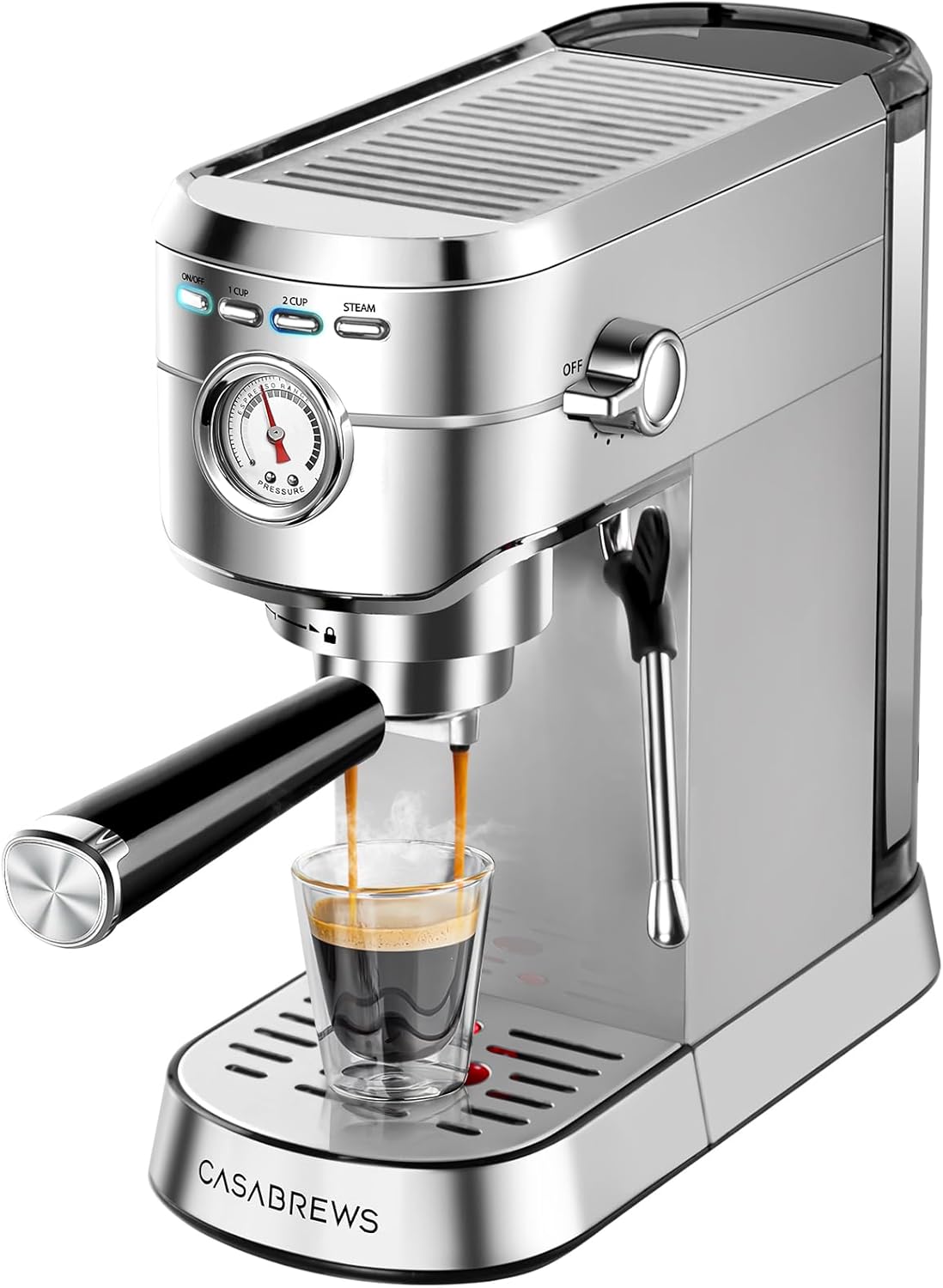
If you also brew pour-over, espresso, or Turkish coffee at home, a wider range becomes valuable. Check the best espresso machine for beginners guide if you’re considering multiple brewing methods.
Capacity and Grinding Effort
Capacity ranges from 20 to 60 grams. A 25 to 30 gram hopper suits single or double servings for French press. Larger 50 to 60 gram models reduce refilling but weigh more and take longer to grind. Built-in bearings and longer handles reduce grinding effort; look for models that let the handle keep turning after you release it, a sign of smooth bearing design.
Grinding 30 grams of beans typically takes 60 to 90 seconds by hand. If you prefer speed and minimal arm strain, prioritize grinders with dual bearing positioning and longer handles.
Who Should Skip These
Manual grinders are not ideal if you brew large batches daily or need grounds in under 30 seconds. Espresso shots require very fine, consistent grinds that demand more effort and precision than hand grinding typically provides; an electric burr grinder is better suited for espresso. If you have limited hand strength or arthritis, the repetitive cranking motion may cause discomfort, making an electric grinder a smarter choice.
Final Thoughts
A manual coffee grinder brings intentionality and freshness to every French press brew. The TIMEMORE Chestnut C2 stands out for its precision CNC burrs and smooth bearing action, making it ideal if you grind daily and want reliable adjustment. For those seeking a balance of quality and portability, the Premium Manual Coffee Grinder by Alpaca Ventures delivers durable 420 stainless steel burrs and an ergonomic handle at a competitive price point.
Frequently Asked Questions
What grind size is best for French press? French press brewing typically uses a coarse grind, similar to sea salt texture. A coarse grind allows water to extract flavor over 4 to 5 minutes without over-extracting fines that would cloud the cup. Most manual grinders in this guide can reach coarse settings with their adjustment dials or internal knobs.
How long does it take to grind beans by hand? Grinding 30 grams of beans by hand usually takes 60 to 120 seconds, depending on grind fineness and the grinder’s bearing design. Coarser grinds (like those for French press) are faster than finer grinds. Grinders with dual bearings and smooth cranks reduce fatigue on longer grinds.
Can I use a manual grinder for espresso? Manual grinders can produce espresso-fine grounds, but the effort and time required are substantial, and achieving the consistency espresso demands is challenging. Most espresso enthusiasts prefer electric burr grinders for speed and uniformity. See our espresso machine guide for electric grinder recommendations paired with machines.
Are manual grinders easy to clean? Most models in this guide feature tool-free disassembly; a simple twist separates the burrs and hopper for cleaning. Use the included brush to remove residue from the burrs, and avoid rinsing with water unless the manufacturer specifies it is safe. Dry all parts thoroughly before reassembly to prevent corrosion and maintain grinding precision. For more brewing gear and buying guides, browse our coffee category.





Write Your Review
No reviews yet. Be the first to share your experience!